
The Power of Experiential Learning and How It Transforms Education
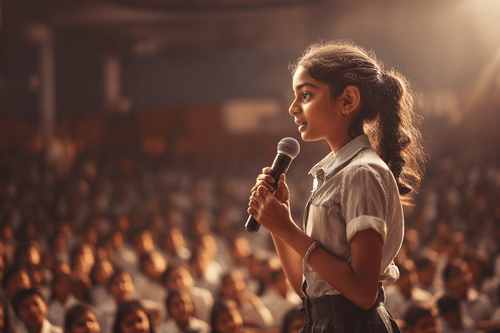

Table of Contents
- What is Experiential Learning
- The Core Elements of Experiential Learning
- Benefits of Experiential Learning for Children
- Improves Critical Thinking
- Experiential Learning Examples Across Subjects
- Why Experiential Learning Is the Future of Education
- How Parents Can Support Experiential Learning at Home
- PlanetSpark and Experiential Learning
- Conclusion
Experiential learning is transforming the way children understand concepts and apply them in real life. This blog will help you clearly understand why learning by doing is more effective than learning by memorising. You will discover its benefits, real examples, and how PlanetSpark applies it to build confident and skilled learners.
What is Experiential Learning
Experiential learning means learning through direct experience. Students understand concepts by observing, trying, reflecting and then improving. Instead of just listening to theory, they engage in activities that make ideas memorable and meaningful.
Why Experiential Learning Works
Here is why this learning approach is powerful for children:
- Learning becomes active instead of passive
Students do not simply read from books. They participate in discussions, role play, story creation or hands on tasks. This creates stronger brain connections and children remember concepts longer. For example, a child who learns persuasive writing by creating an advertisement remembers the techniques better.
- Real understanding builds real life confidence
Children apply ideas in real situations, which helps them feel confident and capable. If they practice debate skills through mock debates, they learn how to handle pressure, speak clearly and present opinions strongly.
- Mistakes become learning opportunities
Children can try new things and learn from the results. When they get a chance to experiment, they can find new solutions and understand concepts deeply. For example, if a child explains a story but forgets character details, the reflection stage helps them correct it the next time.
The Core Elements of Experiential Learning
Experiential learning has four major steps. Each step strengthens the previous one.
Concrete Experience
Children begin with a real experience. It can be an activity, role play, discussion, game or real world situation.
Examples
- Acting as a news reporter to learn news writing
- Playing customer and shopkeeper to learn conversation skills
- Creating an advertisement to learn persuasive language
This step gives children something real to think about instead of abstract ideas.
Reflective Observation
After the activity, students think about what happened. They notice what worked and what did not. This reflection strengthens the learning process.
Examples
- A child realising that speaking too fast during a role play confused the audience
- A student realising their story lacked descriptive words
- A learner understanding that they hesitated to answer during a discussion
Abstract Conceptualisation
Now they connect the experience with the actual concept. This is where they learn rules, patterns or techniques behind what they just did.
Examples
- After writing a story, the teacher explains story structure
- After a debate, the child learns about making strong arguments
- After describing an object, they learn about adjectives
Active Experimentation
Finally, children apply what they learned again. This time they perform better because they now understand the concept clearly.
Examples
- Writing a second story with a proper beginning, middle and end
- Performing a second role play with improved tone and clarity
- Presenting a topic again with better structure
Benefits of Experiential Learning for Children
Experiential learning is not just about making classes fun. It builds life long skills that shape confident personalities.
Improves Critical Thinking
Experiential learning teaches children to analyse situations, evaluate options and make decisions.
They are not told the answers. They discover them.
Examples
- Analysing a news event and forming an opinion
- Studying a story character and predicting their actions
- Solving a communication problem during role play
Strengthens Communication Skills
Children speak, listen, present and express throughout the activities. This continuous practice improves clarity, confidence and fluency.
Examples
- Presenting product ideas during a creativity exercise
- Participating in debates to express opinions
- Describing real objects to improve verbal clarity
Strong communication and thinking skills open doors to future success. Experiential learning helps children build these abilities in a natural and enjoyable way. Start their journey toward confidence and clarity.
Builds Creativity
Experiential learning encourages imagination and original thinking. Children learn to experiment, innovate and find new and better ways to express ideas.
Examples
- Designing posters for a campaign
- Creating alternate endings for stories
- Using storytelling to explain a real life situation
Improves Emotional Intelligence
Children learn to manage emotions, understand others and work better in teams.
Examples
- Collaborating on group activities
- Understanding audience reaction while performing
- Learning to accept feedback and improve
Children learn best when they do, create and experiment. PlanetSpark brings this method to every class through fun and structured activities. Give your child the advantage of practical learning.
Enhances Memory and Retention
When learning is attached to real experiences, the brain stores the information longer.
Children remember activities better than textbook lines.
Examples
- Remembering grammar rules after using them in role plays
- Remembering speech formats after giving a speech
- Remembering vocabulary after using it in a story
Creates Self Confidence and Leadership
Experiential learning allows children to take charge, explore ideas and present work. This builds genuine confidence.
Examples
- Hosting a mock event
- Leading a team in a group activity
- Presenting findings after a discussion
If your child hesitates to speak or express ideas, experiential learning can change everything. With guided practice, role play and real activities, they become more confident and fluent. Help them take the first step today.
Experiential Learning Examples Across Subjects
Language Learning
Children understand language concepts faster when they use them in real situations.
Examples
- Speaking exercises to learn fluency
- Story writing games to understand imagination
- Group discussions to improve vocabulary
Communication Skills
Experiential learning makes communication practical and interactive.
Examples
- Debates to learn argument building
- Presentation practice to improve speaking clarity
- Role plays to build conversational skills
Personality Development
Children learn how to think, act and respond in real situations.
Examples
- Confidence building exercises
- Emotional regulation activities
- Team participation tasks
Why Experiential Learning Is the Future of Education
Here is why this method is becoming essential for modern children.
Children Learn Practical Life Skills
Memorisation does not prepare children for the real world. Experiential learning builds negotiation skills, empathy, confidence and creativity. These skills are essential for future careers.
Children Become Independent Thinkers
They learn to understand concepts from their own viewpoint. This develops independent decision making and problem solving abilities.
Children Build Real World Readiness
When children learn by doing, they become ready for real situations like internships, presentations, interviews and teamwork.
How Parents Can Support Experiential Learning at Home
You can bring experiential learning to everyday routines.
Daily Conversations
Include the child in discussions. Ask them what they think and why.
Example
- What would you do differently in this situation
- How can we plan this better
Creative Activities
Give children opportunities to create, explore and express.
Examples
- Drawing
- Building crafts
- Making presentations
- Creating short stories
Exposure and Real Experiences
Take them to new environments.
Examples
- Museums
- Nature parks
- Community events
Encourage Reflection
Ask questions that help them think.
Examples
- What did you learn today
- What was the best part
- What will you improve next time
PlanetSpark and Experiential Learning
PlanetSpark uses experiential learning as the core of its curriculum to build confident and communicative children. It combines activity based learning with structured outcomes.
Here is how PlanetSpark stands out.
Learning by Doing in Every Class
Every session is activity based. Children participate in games, debates, presentations and storytelling tasks. They learn real skills through action instead of memorising.
Category Leadership in Communication Skills
PlanetSpark specialises in building communication, public speaking and creative thinking skills for children. The curriculum is designed to strengthen confidence through stage exposure, speaking activities and creative projects.
Real Outcomes through Structured Programs
The platform blends experience and theory. After every activity, students reflect, learn techniques and apply them again in a new task. This ensures steady and visible improvement.
Personalised Learning Journeys
PlanetSpark teachers personalise each class based on the child's strengths and needs. This ensures the learning experience is smooth, engaging and effective.
Confidence Building through Real World Practice
Children participate in speeches, debates and storytelling tasks that mirror real life scenarios. This makes them communication ready and future ready.
Conclusion
Experiential learning is more than a teaching method because it shapes the way children think, communicate and solve problems in the real world. When children learn through activities, reflection and application, their understanding becomes deeper, stronger and far more memorable than memorising from books. They begin to trust their abilities, express ideas confidently and take ownership of their learning journey. This approach builds communication, creativity, critical thinking and emotional intelligence which are essential for modern education. Children also become more independent and ready for real life challenges because they practise skills instead of only hearing about them. When learning becomes active and meaningful, confidence grows naturally and progress becomes visible. If you want your child to speak better, think sharper and learn smarter, experiential learning is the most powerful path to start with.
Frequently Asked Questions
It is learning through doing. Children perform activities, understand concepts, reflect and apply the learning in real life. This method builds clarity and confidence.
Children speak, perform and express during activities. This consistent practice improves fluency, vocabulary, tone and confidence.
It does not replace it completely but improves it. Children still learn concepts but in a more practical, memorable and engaging way.
Children aged four to fourteen gain the most as they learn faster through action, observation and reflection.
Children remember what they experience. Activities create strong memory connections which help in long term retention.
Yes, every class at PlanetSpark is based on activity, reflection and practical application. This ensures measurable and visible progress in communication and confidence.