
Activities to Develop Self Discipline: Daily Habits for Kids
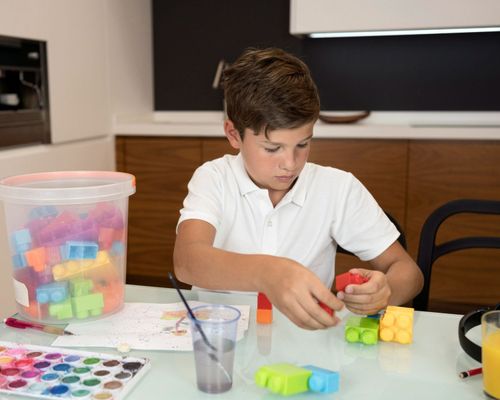

Self discipline is a process where one controls their impulses, preferences, desires, and strong emotions in daily activities. Learning self-discipline helps a child stay focused, resist temptations, and make better decisions. Thus, self-discipline is a crucial skill that everyone, especially those who need to develop it, should possess.
If you are a parent, teaching your child self-discipline and involving the child in activities to develop self discipline can be one of the most significant and challenging tasks. Many tactics work for some children but not for others, so it is crucial to find what works for your kids.
To make this work easy for you, enrolling your kid in the personality development classes at PlanetSpark could be the best choice to make.
Importance of Doing Good Activities to Teach Self Discipline
Self discipline activities for kids go beyond teaching good habits and manners. They play a crucial role in shaping a child’s character, helping them grow into a confident, responsible, and caring individual. By engaging in activities that require focus, effort, and responsibility, children develop a sense of accountability and self-control. These skills not only improve their behavior but also build their confidence, preparing them for future challenges and helping them succeed in both personal and academic aspects of life.
1. Self-Discipline and Responsibility
It is necessary to teach self-management to kids when they follow routines. Additionally, cultivating a few good habits, such as doing homework on time, brushing their teeth, and tidying up their own room, is an effective way to teach children responsibility. Gradually, these little things help them to develop self-discipline.
2. Improved Well-being
Establishing discipline, such as morning exercise and a proper sleep routine, also contributes to good health in children. On the other hand, child behaviour improvement also helps the kids avoid rude speech, which makes them feel very happy and comfortable.
3. Character Development
Children who are taught discipline have the opportunity to develop deep character traits, such as honesty, patience, and respect for others. These are the traits that will direct their behaviour and decisions, eventually, becoming the main features of their characters that make them dependable and kind people.
4. Empathy and Emotional Intelligence
Helping children recognize and understand others’ feelings is one sure way to teach them how to show empathy. They learn to share, help, and be considerate towards others. This emotional intelligence enables them to make friends, maintain healthy family relationships, and, in the future, receive praise for their accomplishments.
5. Foundation for Future Success
When kids take part in activities to develop self discipline, it leads them to the development of organisation, focus, and perseverance in children. These abilities will be of great use to them in school, through multiple activities, and later in their careers. Growing such discipline early is like giving children a good start in life.
Want to teach your kids self-management? Join a free demo class at PlanetSpark today!
What Are 10 Effective Activities to Develop Self Discipline Among Children
When it comes to working on habit-building for children, it helps the kids to grow much stronger and sharper. These activities also help them stay focused, manage emotions, build routines, and make some responsible choices. These are skills that help kids in the long term, both academically, behaviourally, and personally.
1. Provide a Routine
Children need some proper routines that help them get through the day and feel much more secure. If you can set up a proper routine with your child and stick to it, they will be much more focused and also feel less distracted by other things.
2. Give Them Choices When You Can
Some kids respond better when they are given the right choice in what they do. Let them pick a task they would like to do, then let them get started. Thus, it turns out to be easier for them to achieve success, and the kids gain full control over the situation.
3. Create Consequences if They Don’t Behave Appropriately
We never support giving punishments to kids. These are the worst possible options to learn discipline to your kids. Instead, we always suggest teaching the kids a proper lesson and helping them to learn from their mistakes. At PlanetSpark, our personality development class teaches children discipline following the easiest manners, and we also tell parents to follow these without physically hurting the kids or yelling at them.
4. Set Time limits
When we talk about self discipline activities for kids, we don’t mean let your child do whatever they want and forget other things. Instead, we’re talking about setting some boundaries that you can enforce and expect the kids to follow them properly. If you don’t set limits, your child will push boundaries every chance they get.
5. Shape Your Child’s Behaviour One Step at a Time
It is advisable to apply some age-appropriate discipline techniques to shape your child’s behaviour. Don’t expect your five-year-old to complete their morning routine without your constant supervision. Once they get used to that, you can move up an age level and expect them to take care of the entire routine.
6. Be Consistent
If you are inconsistent with your own discipline techniques, the only thing your child will learn is that parenting styles often change, or even from one day to the next. As the talk is about child behaviour improvement, you don’t want your child to think you are a pushover one day and a soft-spoken person the next. Instead, use the same discipline techniques every time you teach discipline to your child.
7. Positive Affirmations
Positive Affirmations always help to build a strong character in your child. If you tell your child they can do anything, but in a good and positive tone, they start thinking that nothing is impossible. It also helps the kids to believe that they can accomplish whatever they want. By doing this, it helps in fostering their self-discipline.
What Can You Do As a Parent to Teach Self Discipline?
Teaching self-discipline at home usually begins with some small and consistent actions that shape how children think, behave, and respond to specific and daily challenges. When parents model calm behaviour, set some clear expectations, and create meaningful connections, kids feel happy to add the same discipline in their own routines. Below, we are mentioning some easy parenting tips for discipline.
- Plan a 1-on-1 Time
Children feel much more secure, cooperative, and self-regulated when they receive proper individual attention. Even 5-20 minutes of one-on-one time can strengthen trust and communication. For example, you could dedicate 10 minutes each day to reading with your child or asking them about their day. This closeness helps children follow rules more easily and makes them feel understood, valued, and emotionally connected.
Want to learn such basic ethics to your kids? Book a free demo class at PlanetSpark today!
2. Praise the Positives
Instead of focusing solely on mistakes or misbehavior, acknowledge their small wins. For example, praise your child for completing their homework on time, sharing toys with a sibling, or practicing a new skill, even if they didn’t succeed the first time. This positive reinforcement motivates children to repeat disciplined actions and fosters an internal desire to improve.
3. Use Calm Consequences
Consequences teach responsibility, but when kids understand the connection between their actions and the outcome, they respond better. For example, if a child doesn’t complete their chores, calmly explain that they won’t be able to watch TV until the task is done. Emphasize how their actions can lead to positive outcomes, like extra playtime or a special treat, when they make better choices. This approach encourages self-control without fear or anger.
How PlanetSpark Helps Children Learn Self-Discipline?
PlanetSpark’s personality development program combines structured learning, emotional training, and real-world practice to help children develop self-discipline naturally. Each activity is designed to strengthen habits, behaviour, and consistent effort; some key elements of disciplined growth.
1. Holistic Life-Skill Curriculum
Children learn organisation, goal setting, time management, responsibility, and self-awareness. These lessons help them understand why discipline is important and how to apply it effectively daily.
2. SEL-Based Emotional Control
By learning emotional regulation, kids stay calm, make better choices, and resist distractions, which are important pillars of self-discipline.
3. Activity-Based Habit Building
Role-plays, mock situations, journaling tasks, and reflection exercises ensure kids practise discipline instead of just hearing about it. Structured weekly tasks encourage routine and consistency.
4. Leadership & Accountability Training
Group challenges and presentation tasks teach children accountability. They help kids take ownership of their work and meet deadlines. These activities foster steady effort and responsibility.
5. Parent Consultations & Progress Tracking
Confidence meters, behaviour insights, and regular feedback help parents understand how their child is developing self-discipline and where support is needed.
6. Etiquette & Behaviour Grooming
Posture, polite communication, and mindful behaviour sessions teach children self-control in social situations, an essential part of disciplined conduct.
Teaching the right activities to develop self discipline is definitely a slow process, but a rewarding one. However, consistent and small actions can make a big difference over time. When the kids are guided by parents with complete patience, it actually leads them to acquire self-discipline, social skills, and empathy, which are lifelong achievements.
Want your kids to learn such activity based habits? Book a free demo class at PlanetSpark!
Let PlanetSpark’s personality development classes turn the kids into confident and caring individuals who are ready to face the world. So, start early, encourage progress, and ensure betterment for your kids.
Frequently Asked Questions
Encourage small daily routines, such as making their bed, organizing their study area, completing homework on time, and adhering to screen-time limits. Consistency and positive reinforcement play a major role in building strong habits.
Activities such as timed tasks, mindfulness exercises, board games, journaling, reading challenges, responsibility charts, and delayed-gratification games are excellent for strengthening self-control and discipline.
Every child is different. Some learn habits quickly, while others need repeated guidance. With structured routines, consistent practice, and supportive coaching, children typically show noticeable improvement within a few weeks.
Yes. Structured programs like PlanetSpark use goal-setting exercises, routine-building activities, SEL-based tasks, feedback systems, and leadership training to help children develop accountability, responsibility, and disciplined behaviour.
Avoid yelling, unrealistic expectations, over-controlling routines, and punishing mistakes. Instead, focus on patience, encouragement, modelling disciplined behaviour, and celebrating small victories to build long-term discipline.