

Effective Interaction and Voice Modulation Techniques for Confident Public Speaking
Simple techniques to improve voice clarity and audience connection.
Studies show that a monotone voice can cut listener engagement by nearly half.
That is why improving voice modulation is one of the fastest ways to sound clearer, more confident, and more expressive.
What Is Voice Modulation?
Voice modulation means adjusting how you speak through changes in pitch, tone, pace, and pause. Studies in communication psychology show that listeners pay more attention to speakers whose voices vary naturally. It helps your message sound confident, expressive, and easier to understand. Even small shifts in tone can highlight key points and keep an audience interested through the entire speech.
Importance of Audience Interaction for Confident Speaking
When a speaker interacts, the audience feels involved. This reduces stage fear, builds trust, and creates a two way connection. Interaction also gives instant feedback. If listeners look confused, excited, or bored, you can adjust your voice, energy, and pacing to match the room.
Result Higher engagement and more confident presence.
Key Voice Modulation Techniques for Clear and Expressive Speaking
Adjust tone to match the emotion of your point
Change pitch slightly to avoid sounding flat
Use volume variation to highlight important ideas
Align facial expressions with vocal energy
Emphasize key words to strengthen meaning
These tools help your voice carry authority and clarity, which is essential for persuasive speaking.
How to Use Pitch, Pace, and Pause Effectively
The Triple P Method
Pitch adds emotion
Pace controls flow
Pause creates impact
Together, they shape how your message lands. Slow down for important ideas, pause before strong statements, and use slightly higher pitch when expressing excitement or curiosity. This trio keeps your speech dynamic and listener friendly.
Simple Ways to Improve Interaction with Any Audience
Try These Quick Approaches
Ask short questions that invite a show of hands
Refer to something the audience already knows
Use examples from daily life
Share a short story or relatable scenario
Call out common mistakes people make
These tiny actions make listeners feel connected and more willing to engage.

Techniques to Keep Listeners Engaged During a Speech
Keeping listeners engaged depends on how well you manage attention throughout your speech. Research shows that attention naturally drops every few minutes, which means speakers need planned engagement points. Instead of speaking in a single tone or pattern, break your speech into moments that re energize your audience.
Use attention drivers strategically:
• Start with a compelling hook (question, fact, or short anecdote)
• Introduce a strong data point early to establish credibility
• Add slight variations in your voice to signal transitions
• Use gestures that highlight important ideas
• Close every section with a clear takeaway
These actions reset the audience’s focus and keep them actively involved from start to finish.
Voice Exercises to Build Strength, Clarity, and Expression
A strong speaking voice is built through consistent training. Just like athletes warm up their bodies, speakers must warm up their vocal muscles. A good routine prepares the breath, vocal cords, and articulation.
Daily Warm Up Sequence:
• Deep breathing: Supports volume and stability
• Humming: Activates vocal folds and smoothens tone
• Tongue twisters: Improve clarity and articulation accuracy
• Volume control drills: Strengthen projection
• Expressive reading: Builds emotional range and voice flexibility
Over time, these exercises improve vocal stamina, reduce strain, and create a more expressive delivery.
Interaction Activities for Kids to Build Speaking Confidence
Children gain confidence when speaking becomes playful and low pressure. Interactive tasks encourage them to speak naturally while building clarity and presence.
Confidence building activities include:
• Story Chains: Encourage creativity and smooth sentence flow
• Emotion Lines: Improve vocal expression by speaking one line in different emotions
• Question Circles: Build comfort in asking and answering spontaneous questions
• Object Talks: Increase thinking speed and clarity by describing simple objects
These structured yet simple activities help kids overcome hesitation and turn speaking into an enjoyable routine.
Practice Routines to Improve Engagement and Voice Control
Improvement in voice modulation and interaction requires structured practice. A weekly routine helps speakers build consistency and track progress.
Suggested Weekly Plan:
• Day 1: Record a 1 minute reading to evaluate clarity and tone
• Day 2: Practice three pitch patterns to avoid monotony
• Day 3: Train pace control through slow and moderate reading
• Day 4: Use pause based storytelling to emphasize ideas
• Day 5: Practice simple interaction prompts (questions, cues, reactions)
• Weekend: Deliver a 2 minute mini speech combining all skills
This routine effectively strengthens voice control and improves natural engagement for kids and adults.
Common Voice and Interaction Mistakes to Avoid
Speakers often struggle because of small but impactful errors. Addressing these early leads to clearer, more confident communication.
Avoid these frequent issues:
• Speaking too quickly, causing loss of clarity
• Using a flat tone that reduces listener interest
• Skipping pauses, making speech feel rushed
• Asking questions but giving no time for responses
• Maintaining the same vocal energy throughout
Awareness of these mistakes helps speakers refine their delivery and build better audience connection.
Tips to Build Natural Stage Presence Through Voice and Interaction
Natural stage presence comes from the combination of controlled voice, confident posture, and meaningful connection with the audience. It is a skill that improves with conscious practice.
Key habits to develop:
• Maintain steady eye contact to build trust
• Align gestures with vocal emphasis
• Shift your stance occasionally to avoid rigidity
• Use expressions that reflect your message
• Encourage small moments of audience participation
These behaviors help you appear composed, authentic, and fully in control on stage.
When You Should Take Guidance to Improve Voice Modulation and Interaction
Some challenges require structured support, especially when progress feels slow or inconsistent. Guided coaching helps identify specific weaknesses and speeds up improvement.
You may benefit from expert help if:
• Listeners often ask you to repeat yourself
• Your voice sounds strained, dull, or unclear
• You find it difficult to hold attention
• Your pace is uneven or unpredictable
• You feel unsure about interacting naturally during a speech
Targeted feedback and practice sessions help build a sharper speaking style, stronger vocal techniques, and more confident engagement.
Get Acquainted with Our Top Educators
Top 1% certified experts who make learning engaging and impactful.

 Aanchal Soni
 10+ Years
 Ankita Singh8+ Years
 Ankur Bhardwaj10+ Years
 Banani Garai30+ Years
 Deepa Kaushal2+ Years
 Divya Khangarot4+ Years
 Divya Solanki11+ Years
 Fahira Khan
 Kajal MishraKajal Mishra
 Mariya Ali
 Maria Antony8+ Years
 Mariyam Farhana B
 Neelam Boora
 Roohi Kalra
Our Impact!

Build a Voice That Engages and a Presence That Feels Natural
Developing strong voice modulation and interaction habits can transform the way kids and adults communicate, both on stage and in everyday situations. When you learn to use pitch, pace, pauses, and small moments of audience connection, your message becomes clearer, more expressive, and far more engaging.
These skills grow steadily with consistent practice. Simple daily drills, warm up routines, and real speaking opportunities help you sound more confident and connected. Many learners also progress faster when they receive guided support that offers feedback on clarity, expression, and engagement.
With the right techniques and regular practice, anyone can build a voice that keeps listeners interested and a presence that feels confident and effortless.

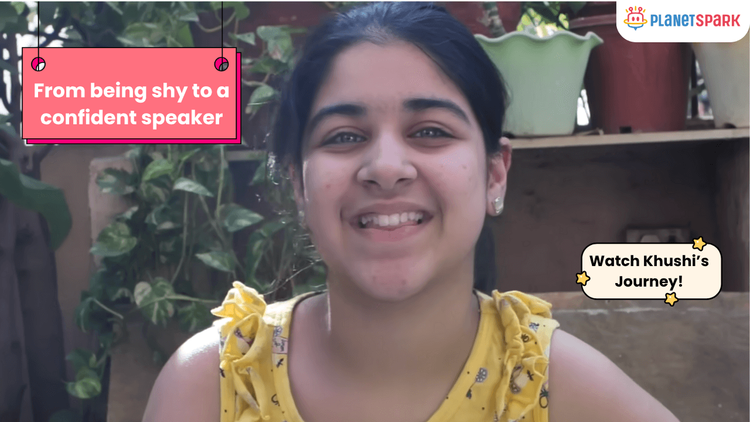


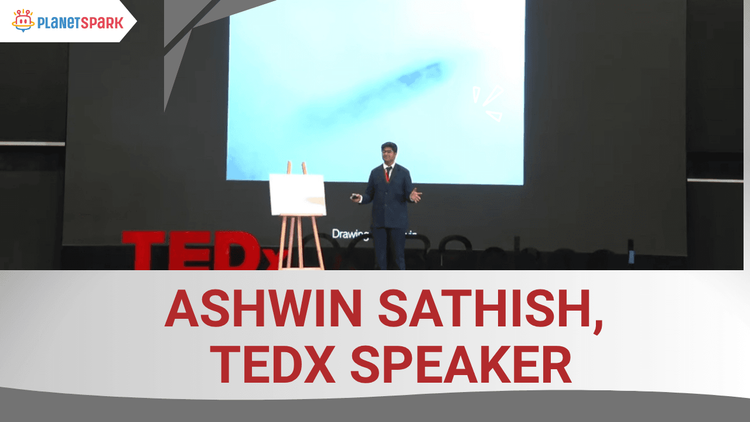




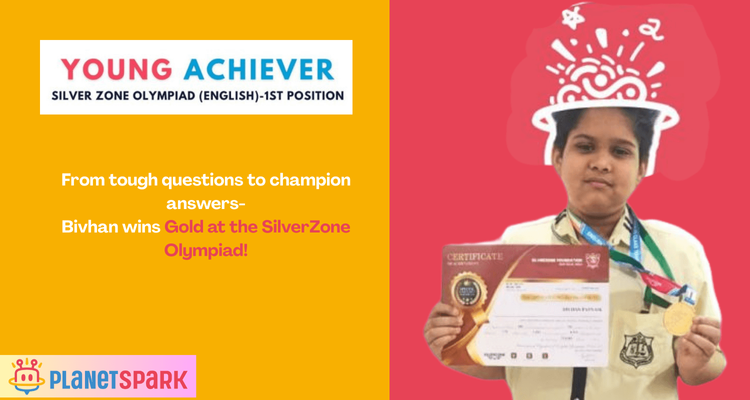




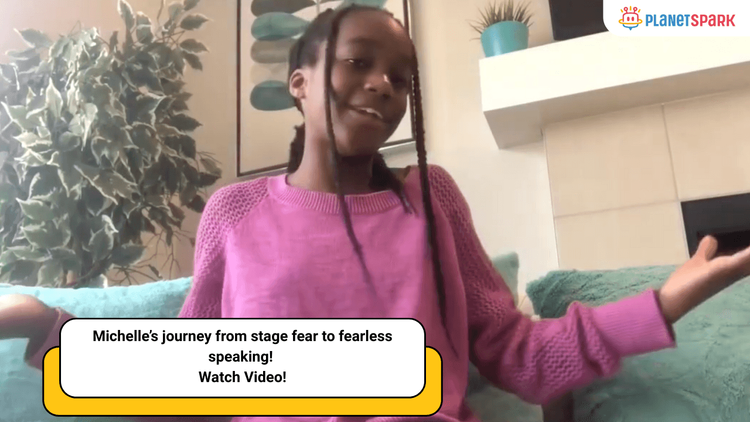
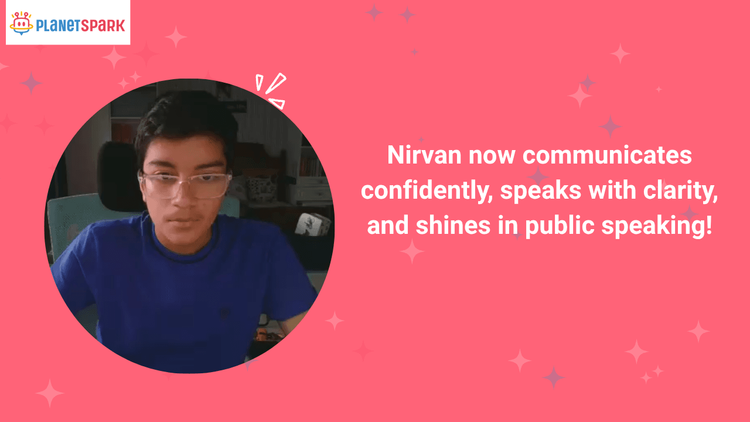
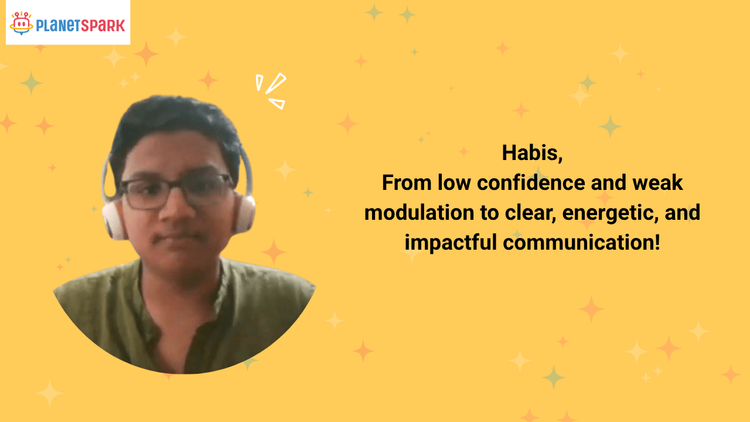








Making Headlines Nationwide
Featured in leading media for transforming individuals into confident, expressive, and stage-ready public speakers.



Frequently Asked Questions
Voice modulation means changing your pitch, pace, volume, and pauses to make your speech sound expressive. It helps listeners stay interested and understand your message clearly.
A varied voice keeps attention longer. Studies show that audiences lose focus quickly when a speaker sounds monotone. Kids become more confident, and adults sound more professional when their voice carries emotion and clarity.
Interaction makes speaking feel like a conversation instead of a performance. Asking questions, using relatable examples, or inviting quick responses reduces pressure and boosts confidence for all age groups.
Start with simple control of pitch, pace, and pauses. Practice reading a paragraph slowly, then faster. Add short pauses after key lines. These small adjustments make speech sound natural and engaging.
Kids can read stories aloud, mimic characters, play emotion based speaking games, or practice tongue twisters. These activities build clarity, expression, and confidence.
Adults can practice breathing exercises, record short speeches, mark pauses in their script, and train with guided feedback. Regular warm ups help maintain clarity and energy during long meetings or presentations.
Speaking too fast, using a flat tone, skipping pauses, and letting nerves control the voice are common issues. Practicing slow breathing and deliberate pacing helps fix most of these.