
Group Discussion Topics for Students | Best Guide 2025
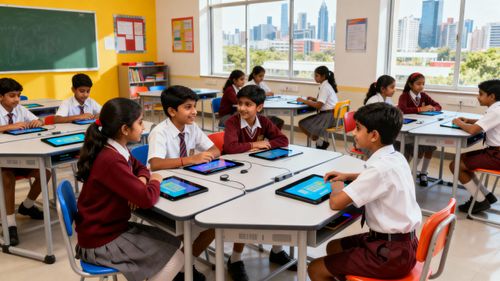

Table of Contents
- Why Group Discussions Matter in Modern Learning
- What Is a Group Discussion
- Importance of Group Discussion in Student Development
- How to Choose the Right Group Discussion Topics for Students
- Categories of Group Discussion Topics for Students
- Academic Group Discussion Topics for Students
- Creative and Fun Group Discussion Topics for Students
- Social and Ethical Group Discussion Topics for Students
- Contemporary and Trending Group Discussion Topics for Studen
- How Group Discussions Develop Public Speaking Skills
- PlanetSpark Public Speaking Course
- Rise and Speak: Why Communication Makes Students Future-Read
Group discussions are an essential learning activity in schools, helping students express ideas, think critically, listen actively, and build confidence. When students engage in a meaningful GD, they learn how to articulate viewpoints, respect different opinions, and collaborate with peers. This blog covers the most relevant group discussion topics for students, how to select the right ones, how GDs help in academic and personal growth, and how to prepare students for powerful communication.
Why Group Discussions Matter in Modern Learning
Group discussions go far beyond routine classroom activities. They help students sharpen communication, reasoning, teamwork, and leadership skills. With secondary keywords like communication skills for students, critical thinking activities, public speaking practice, collaborative learning, and student confidence building, this section aims to fulfil the search intent: guiding students to understand GD topics and participate effectively.
What Is a Group Discussion
A group discussion is a structured conversation where students:
Analyze different ideas
Express opinions clearly
Respond to counterarguments
Listen actively and respectfully
Work towards a meaningful conclusion
Schools, competitive exams, and interview panels use GDs to assess:
Clarity of thought
Logical reasoning
Creativity
Leadership
Articulation and confidence
Importance of Group Discussion in Student Development
When schools choose thoughtful group discussion topics for students, learners benefit in multiple ways:
1. Enhances Communication Skills
Students learn to articulate ideas clearly.
They develop active listening habits.
GDs provide real, time public speaking practice.
2. Builds Critical and Analytical Thinking
Students examine facts, question assumptions, and form logical arguments.
Encourages independent thinking and evidence, based reasoning.
3. Improves Collaboration and Teamwork
Students learn to work with diverse ideas and personalities.
Builds empathy, negotiation skills, and respect for others.
4. Encourages Leadership
GDs allow students to facilitate conversations.
Learners practice summarizing, structuring, and directing discussions.
5. Builds Confidence for Interviews and Future Careers
Students gain the confidence needed for admissions, placements, and real, world communication scenarios.
How to Choose the Right Group Discussion Topics for Students
Choosing the right topic can significantly influence the quality of the discussion. A well, selected topic encourages engagement, creativity, and logical thinking.
1. Age-Appropriate Complexity
Younger students need fun, relatable topics.
Older students can handle abstract or socially complex issues.
2. Relevance to Students’ Lives
Topics connected to school life, technology, social media, or current trends result in better participation.
Students feel more invested when the topic matches their experiences.
3. Balance Between Creativity and Logic
A good GD topic should allow creative opinions as well as analytical reasoning.
It should neither be too easy nor too difficult.
4. Scope for Multiple Viewpoints
Topics should encourage debate, comparison, and diverse perspectives.
Avoid topics that lead to yes/no answers.
Categories of Group Discussion Topics for Students
Below are broad categories that teachers and students can explore to have meaningful group discussions:
Academic GD Topics
Topics related to studies, learning styles, exams, technology in education, and student welfare.
Creative GD Topics
Fun and imaginative themes that spark storytelling and originality.
Social and Ethical GD Topics
Topics that build awareness about society, responsibilities, values, and global issues.
Contemporary and Trending GD Topics
Topics based on current affairs, innovations, news, and global trends.
Future-Focused Topics
Themes linked to careers, technology, sustainability, and future lifestyle predictions.
Academic Group Discussion Topics for Students
Topics That Encourage Learning and Intellectual Curiosity
Academic topics help students think beyond textbooks and connect learning with real-world applications. These topics also prepare them for competitive environments and college interviews.
1. Is technology a boon or bane for students
Students explore how gadgets help learning but also affect attention spans.
2. The impact of social media on student life
A high-engagement topic encouraging perspectives on digital well-being.
3. Should homework be banned in schools
This topic leads to discussions on learning pressure and productivity.
4. Is online learning better than offline learning
Perfect for building arguments, comparing formats, and evaluating outcomes.
5. The importance of coding for school students
Opens discussions about future-ready skills.
6. Should exams be replaced by continuous assessment
Encourages analysis of student performance systems.
7. The role of AI in education
A futuristic topic that links critical thinking with technology.
8. Should schools focus more on skill development than marks
Helps students think about career readiness.
9. Does the school uniform promote equality
A social and ethical debate that encourages structured arguments.
10. Should financial literacy be mandatory in schools
Encourages practical thinking and real-world awareness.
Academic GDs help develop creative reasoning, problem-solving, and public speaking skills while preparing students for competitive environments.
Creative and Fun Group Discussion Topics for Students
Topics That Spark Imagination, Humor, and Creativity
Creative topics make GDs enjoyable, especially for younger students. These topics let children express originality, imagination, and storytelling skills.
1. What superpower would help students the most
A fun topic that blends imagination with reasoning.
2. If animals could talk, what would happen
Encourages humor and free-flowing ideas.
3. Should school days start later in the morning
Students justify their viewpoints with logical and personal arguments.
4. If you could invent a new subject, what would it be
Great for creative thinking and presentation skills.
5. Which cartoon character would make the best teacher
Makes GDs lively and relatable.
6. Would life be better without homework
A playful discussion with numerous angles.
7. Is it better to be book-smart or street-smart
Invites logical thinking with real examples.
8. Should students vote for their teachers
An exciting topic to understand democracy and school systems.
9. If you could time-travel, would you visit the past or future
A popular topic encouraging imaginative reasoning.
10. What would you change if you were the school principal for a day
Encourages leadership and critical thinking.
These topics help students warm up to public speaking and reduce stage fear.
Social and Ethical Group Discussion Topics for Students
Topics That Build Awareness and Responsible Thinking
Such topics help students learn empathy, social responsibility, and awareness of global issues.
1. Should children have limited screen time
Encourages understanding of digital habits and self-discipline.
2. The importance of recycling and waste management
Helps build environmental consciousness.
3. Should students be taught mental health awareness in school
Promotes empathy and emotional intelligence.
4. Is peer pressure good or bad
Leads to insightful discussions based on real experiences.
5. Should junk food be banned in school canteens
Allows reasoning on nutrition and lifestyle.
6. The impact of gender stereotypes on students
Builds awareness and sensitivity.
7. Should social media influencers be role models
Encourages critical analysis of online culture.
8. The importance of volunteering and community service
Teaches values of leadership and compassion.
9. Should students be allowed to use mobile phones in school
Analyzes responsibility and boundaries.
10. Is competition better than cooperation
Creates strong debates and structured arguments.
These topics help children become conscious and responsible global citizens.
Contemporary and Trending Group Discussion Topics for Students
Topics Based on Global, National, and Everyday Issues
Trending topics help students become aware of contemporary developments. Students learn to read news, think critically about current events, and build informed opinions.
1. The impact of artificial intelligence on future careers
Discusses opportunities and challenges.
2. Is climate change the biggest threat to humanity
Encourages environmental awareness and activism.
3. Should social media platforms regulate fake news more strictly
Promotes media literacy.
4. The pros and cons of electric vehicles
Analyzes sustainability and technology.
5. Should voting be mandatory for all citizens
Teaches political awareness.
6. The rise of online gaming: productive or harmful
Explores digital habits and social behavior.
7. The influence of celebrities on student mindsets
Encourages psychological and cultural awareness.
8. Should cryptocurrencies be part of school financial education
Links economics with modern technology.
9. Are space explorations necessary or a waste of resources
Encourages scientific curiosity.
10. Should students be allowed to create content on YouTube or Instagram
A relevant topic blending creativity, safety, and responsibility.
Trending topics sharpen students’ analytical maturity and real-world relevance.
How Group Discussions Develop Public Speaking Skills
The Connection Between GDs and Confident Communication
When students participate in group discussions, they naturally strengthen key communication skills such as:
Clarity of speech
Logical structuring of ideas
Body language and expressions
Active listening
Confidence in expressing opinions
Ability to think on their feet
PlanetSpark Public Speaking Course
PlanetSpark is one of the most advanced public speaking and communication training platforms for children. The course is designed for students aged 4 to 14 and focuses on confidence, articulation, content structuring, creativity, and stage presence.
Below is the complete detailed section you requested, rewritten in a polished, blog-friendly format:
1. 1:1 Public Speaking Coaching by Communication Experts
Every child receives personalized attention from certified trainers who specialize in communication and child psychology. This ensures customized feedback, tailored learning, and faster improvement.
2. Step-by-Step Skill Building
The curriculum covers all essential communication elements:
Body Language
Voice Modulation
Speech Structuring
Storytelling
Persuasive Communication
Debating Techniques
Extempore Speaking
Children learn to:
Express ideas clearly
Use meaningful expressions and gestures
Speak with tonal variety
Structure thoughts logically
Present arguments persuasively
They also practice debating formats, including rebuttals, counterarguments, turncoat debates, mock parliaments, and respectful disagreement using ethos, pathos, and logos.
3. TED-Style Training Modules
Children are trained to deliver professional-quality speeches using frameworks such as:
Hook
Message
Story
Call-to-Action
This helps them structure compelling and high-impact presentations.
4. Real-Time Practice with Global Peers
PlanetSpark connects learners from more than 13 countries through:
Live debates
Panel discussions
Storytelling circles
Group activities
Students observe others, receive peer feedback, and gain global exposure.
5. Video Feedback Loop
Each student's speech is recorded and analyzed for:
Pauses
Emphasis
Voice clarity
Body posture
Expressiveness
Confidence
Parents receive detailed reports after each session, ensuring visible growth.
Rise and Speak: Why Communication Makes Students Future-Ready
Group discussions are more than classroom activities; they are powerful tools that shape young minds into confident thinkers and articulate communicators. When students engage in the right group discussion topics for students, they learn how to structure ideas, debate respectfully, collaborate with peers, and build the courage to express themselves publicly.
However, communication is a skill that grows with guidance, practice, and consistent feedback. That is where PlanetSpark becomes an exceptional learning partner. With its 1:1 coaching, TED-style training, AI-enabled tools, and global communities, PlanetSpark transforms children into confident leaders who can speak clearly, think logically, and influence any audience.
You may also read:
Frequently Asked Questions
Group discussions help students develop communication skills, teamwork, confidence, and critical thinking. They are essential for academic growth and interview preparation.
The best topics are age-appropriate, thought-provoking, and allow multiple viewpoints. Examples include academic topics, social issues, creative themes, and trending discussions.
Students should read regularly, practice speaking, structure thoughts logically, listen actively, and stay updated with current affairs.
Public speaking develops clarity, confidence, articulation, leadership, and logical expression, all of which are crucial for GD performance.
PlanetSpark offers 1:1 coaching, AI-led practice, debate modules, storytelling training, and structured feedback that significantly improve GD and communication skills.