
Importance of English in Our Life: Why Kids Should Learn


Have you ever wondered why so many people say that English is the “language of the world”? The importance of English in our life is bigger than just scoring well in school exams. It is the key to learning, making friends from different places, enjoying global movies or books, and even building a brighter future. For kids under K-12, learning English at an early age helps build confidence and prepares them for opportunities that stretch beyond classrooms.
So, with PlanetSpark we will explore why English language is important in our life, how it helps in studies, travel, careers, and even fun activities. By the end, you will see that English is not just a subject but it is a life skill.
Why English Language is Important in Our Life
Let’s dive into the different ways English plays an important role in our daily lives and why every child should start learning it as early as possible.
1. Global Communication
English is often called a “universal language” because people from different countries use it to communicate. Imagine you are traveling to Japan or France and you don’t know the local language. Chances are, you will still be able to talk to someone in English and ask for directions or order food.
For kids, learning English means they can connect with friends online, understand international cartoons, or even take part in global competitions. Communication is not just about speaking, it is about understanding and sharing ideas. And learning English helps in Public speaking that makes this process easy across the world.
2. Access to Information
Do you know that most of the world’s knowledge on the internet is written in English? From science experiments to DIY videos, from coding tutorials to art lessons, English gives access to almost everything.
For example, if you are curious about space or want to learn how to make a robot, chances are that the best guides or videos will be in English. Without English, you may miss out on valuable resources. That is why learning English at a young age helps you grow smarter and more independent.
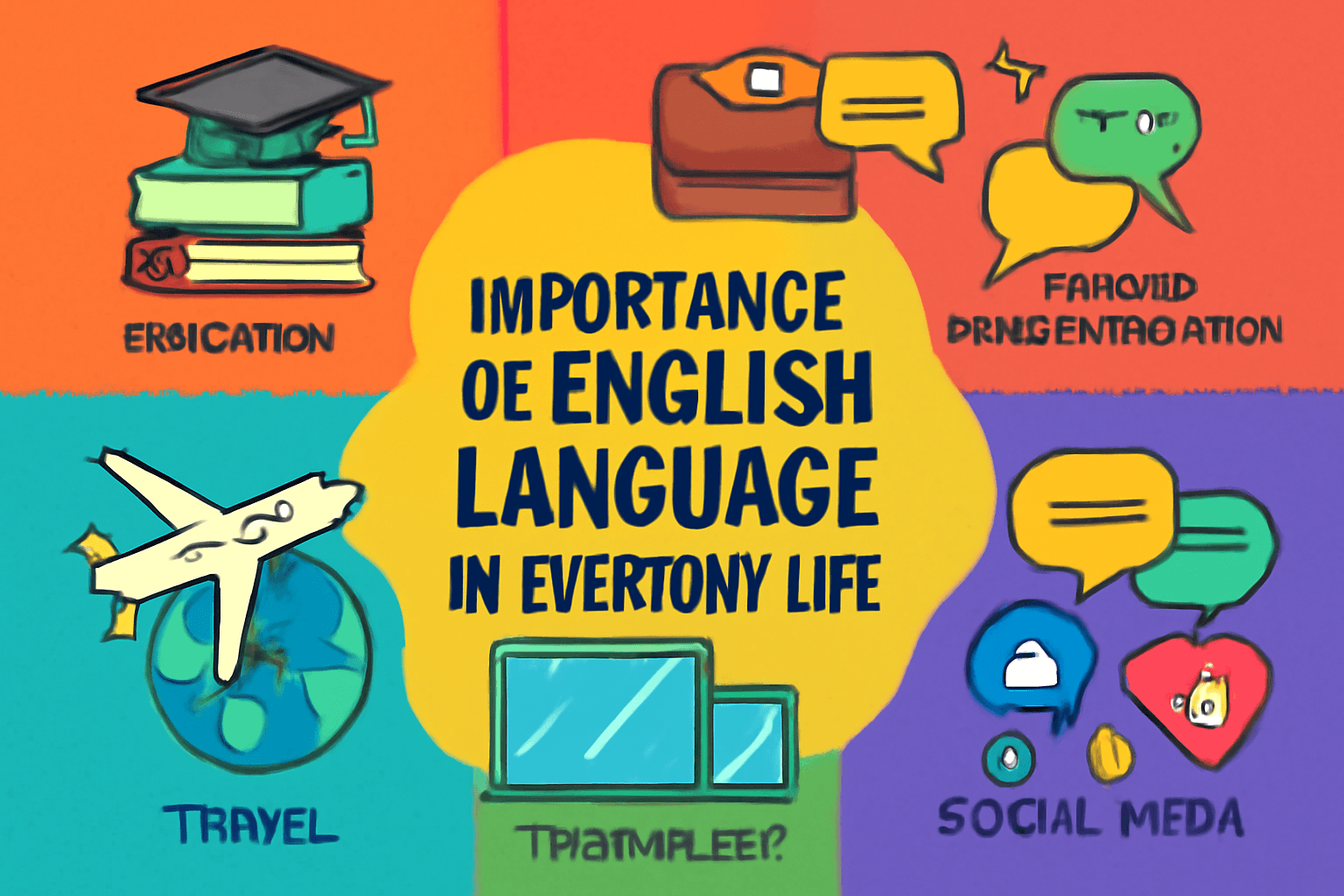
English in Education and Careers
3. Education and Academic Excellence
One of the main reasons why English is important in our life is education. Top universities around the world, including those in the US, UK, and Australia, teach in English. Even in India, many schools and colleges use English as the medium of instruction.
Let’s say you want to study abroad or apply for scholarships. Knowing English makes the journey easier because all the entrance tests, research papers, and lectures are usually in English. Kids who develop good English skills early often perform better academically, not just in English but in other subjects too.
4. Career Opportunities
English is not only useful in school, but it also plays a huge role in jobs. Big companies like Google, Microsoft, or Amazon work across many countries. They need employees who can communicate in English with people from all over the world.
Even if you dream of becoming a doctor, engineer, pilot, or artist, English will help you connect with experts and learn the best practices. Imagine attending an international art camp or a coding challenge but English will be your bridge to success.
At PlanetSpark, we follow New Age Skill that helps in- Communication and creative Wrtings and many more.
Cultural and Personal Growth
5. Cultural Enrichment
English is also the key to enjoying global culture. Most famous books like Harry Potter, movies like Avengers, or songs by international artists are in English. When kids know the language, they can enjoy these creations without always needing translations.
This does not mean ignoring your mother tongue. In fact, knowing both makes you smarter. But English gives you the extra advantage of connecting with a much wider world.
6. Personal Growth and Confidence
Learning English is not just about speaking but it is about thinking, solving problems, and expressing yourself better. For example, a child who learns English early may feel more confident to participate in school plays, quizzes, or debates.
It also helps in building friendships with people from different places. Kids who can speak English confidently often feel proud of themselves, and this confidence reflects in every part of life.
English in Daily Life for Better Communication
7. Travel and Tourism
Whether you are traveling within India or abroad, English is the most useful tool for communication. Airports, hotels, and tourist guides almost always use English. For example, if your family goes to Singapore, even though the local language is different, you will find signboards, menus, and maps in English.
So, for kids who dream of exploring the world, English makes traveling smooth and enjoyable.
8. English in Official and Social Communication
Did you know that most offices, even in India, use English for official communication? It is the language of reports, emails, and meetings. Without English, working in such environments can be very difficult.
Even on social media, English dominates platforms like YouTube, Instagram, and international games. When kids know English, they can engage responsibly and understand the global digital space better.
The Bigger Picture: English in International Relations
English is also the language of diplomacy, conferences, and global meetings. Leaders from different countries often use English to communicate. This shows how deeply the importance of English in our life is linked with peace, trade, and international cooperation.
For kids, understanding this is important because tomorrow’s leaders, diplomats, and changemakers will need English to represent their country proudly on global stages.
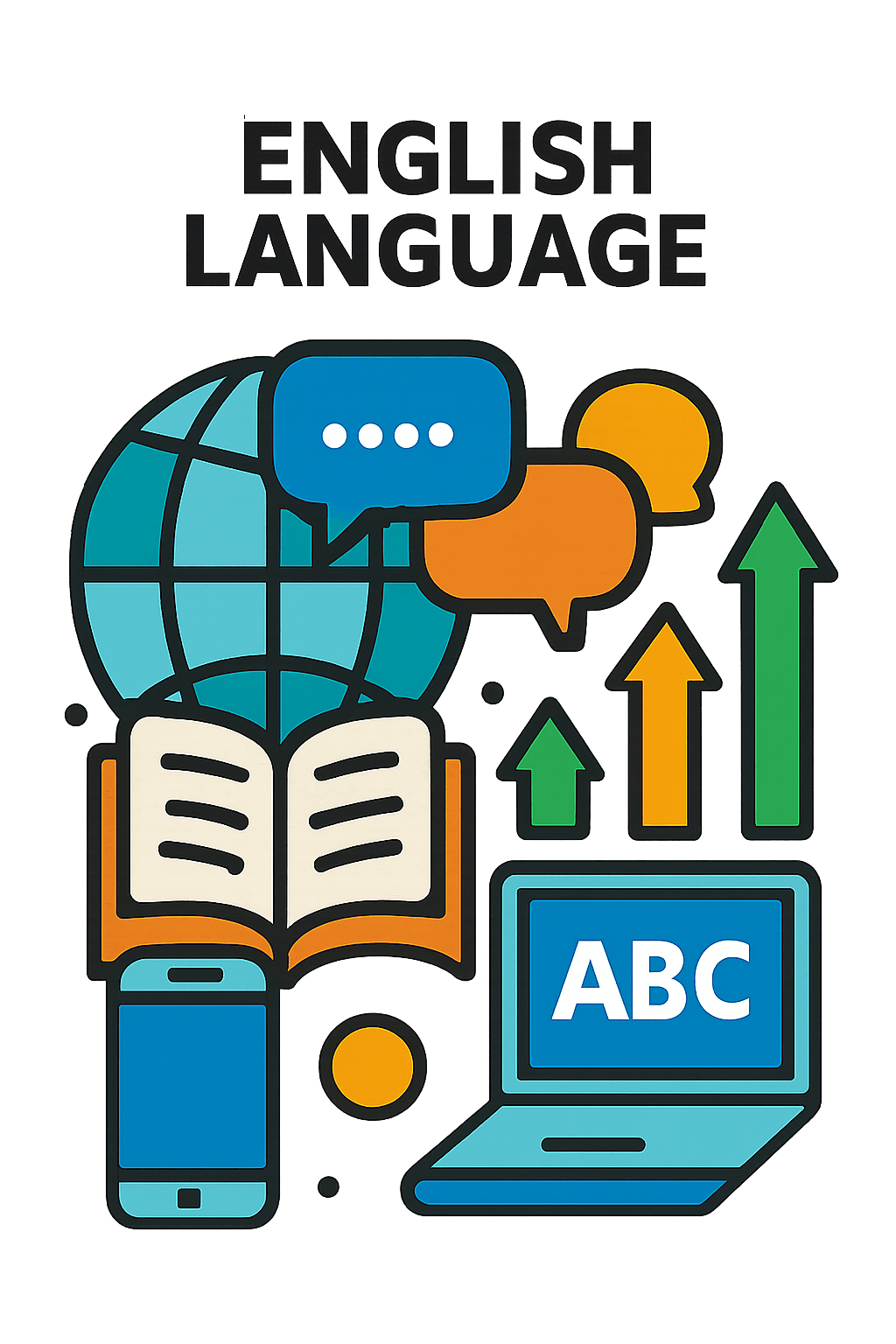
Importance of Learning English Language for Kids
Learning English is more than memorizing grammar and vocabulary. It is about opening doors to knowledge, fun, and friendships. Here are a few reasons kids should learn English:
1. Better Thinking Skills
Learning English is not just about memorizing vocabulary or grammar rules. It strengthens problem-solving and critical thinking by encouraging children to organize their thoughts clearly and express ideas logically. When they read, write, or engage in discussions in English, they learn to analyze information, compare viewpoints, and make informed decisions. This skill helps them excel in academics and daily life, as they are able to approach challenges methodically. English encourages asking questions, evaluating options, and drawing conclusions effectively, which lays a strong foundation for higher-order thinking.2. Public Speaking Ability
English learning enhances children’s ability to speak confidently in front of others. Whether it is class presentations, group discussions, or storytelling, they become comfortable expressing their thoughts clearly. Regular practice with vocabulary, sentence construction, and pronunciation helps reduce hesitation and fear. By learning how to structure sentences and use persuasive language, children also gain the confidence to engage audiences, respond to questions, and participate actively in conversations. These skills are invaluable for personal growth and future professional success.3. Access to Knowledge
English is the language of science, technology, and global communication. It gives children access to a wide range of resources, from academic research papers and educational videos to the latest trends in every field. Learning English helps them explore information independently, understand complex concepts, and stay updated with developments worldwide. This broader access to knowledge expands their learning opportunities and enables them to gain insights that might otherwise be unavailable.4. Creativity Boost
English encourages creative expression through writing, reading, drama, and storytelling. Children can create original stories, scripts, or poems, which enhances imagination and narrative skills. Engaging with literature or participating in role-plays allows them to explore different perspectives, invent characters, and develop ideas creatively. This creative practice not only makes learning enjoyable but also nurtures innovative thinking and problem-solving abilities that are useful across all areas of life.
About PlanetSpark-
Step-by-Step Skill Building
The curriculum focuses on essential communication skills like Body Language, Voice Modulation, Speech Structuring, Storytelling, Persuasive Techniques, Extempore, and Debating.
Children gradually learn how to:
Master facial expressions to express emotions and convey confidence effectively.
Use meaningful gestures that enhance storytelling and help connect better with the audience.
Apply vocal variation through tone, pitch, and pauses to make speeches more engaging.
Structure their speech logically, ensuring a smooth and organized flow of ideas.
TED-Style Training Modules
Inspired by TEDx speakers, children are trained to deliver impactful speeches using the “Hook–Message–Story–Call to Action” model. This helps them learn how to grab attention instantly, share their ideas effectively, and leave a lasting impression on the audience.
Real-Time Practice with Global Peers
Students engage in live sessions such as debates, storytelling circles, and panel discussions with peers from over 13 countries. These interactive group activities help them observe, learn, and improve through real-time feedback from coaches and fellow learners.
Video Feedback Loop
Each session is followed by video-based feedback for continuous improvement. Students review recordings of their speeches with coaches to identify areas for enhancement. AI-powered tools analyze their voice, pauses, and emphasis, providing a detailed performance report for both students and parents and ensuring measurable growth after every activity.
Unlock your child’s full potential in communication and storytelling!
Interactive, step-by-step coaching helps them master voice, body language, and debating.
Book a free demo now
Conclusion
The importance of English in our life cannot be denied. From global communication and education to travel, career growth, and cultural enrichment, English is everywhere. For kids under K-12, learning English early is like planting a seed that grows into endless opportunities.
At the same time, English should not replace our mother tongues. Instead, it should complement them, giving kids the best of both worlds. Parents and teachers play a big role in making this journey fun and exciting.
If you are looking for a way to help your child master English and develop strong communication skills, platforms like PlanetSpark can make all the difference. English is not just a subject but it is the bridge to the future.
Frequently Asked Questions
English helps students access global knowledge, perform better in academics, and communicate confidently with people from different countries.
Kids can read storybooks, watch English cartoons, play word games, or join fun classes like PlanetSpark to practice speaking every day.
No, both are important. Your mother tongue connects you to culture and family, while English gives you global opportunities.
Most jobs need English for communication, teamwork, and international projects. Strong English skills open doors to better career options.
Yes! Speaking English clearly makes kids feel proud and confident. It also helps in school debates, presentations, and public speaking.
The earlier, the better. Kids who start English in early classes pick it up naturally and use it confidently as they grow.