
How to Make Friends and Build Confidence in Speaking
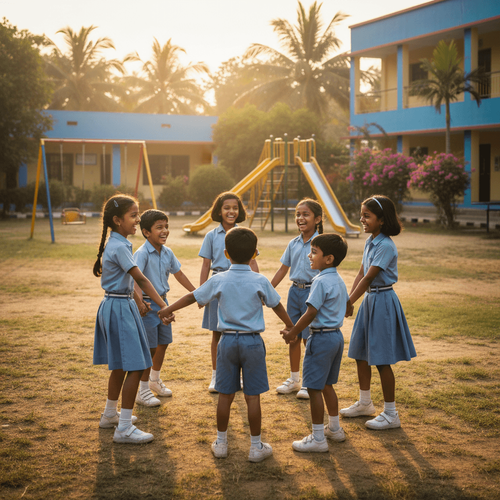

Table of Contents
- Step 1: Meeting New People
- Step 2: Be a Great Listener
- Step 3: Show Open Body Language
- Step 4: Make the First Move
- Step 5: Be a Good Friend
- Step 6: Choose the Right Friends
- Step 7: Overcome Shyness and Social Anxiety
- Step 8: Learn Conversation Skills
- Step 9: Handle Awkward Moments
- Step 10: Be Understanding and Forgiving
- Why Friendships Matter for Kids
- About PlanetSpark
- Conclusion
It’s important for kids to know how to make friends because friendships make life fun, happy, and meaningful. Whether you are starting at a new school, feeling shy, or just curious about meeting new people, learning how to build friendships is a skill you can practice.
In this guide, you’ll also see how programs like PlanetSpark help children grow social and communication skills that make friendships easier and stronger.
Step 1: Meeting New People
The first step in making friends is meeting people. Kids can find new friends by joining clubs, youth groups, sports teams, or art classes. Even school activities or neighborhood playgroups are great places to connect.
For example, if you enjoy drawing, joining an art club helps you meet kids who also love art. Having common interests makes starting conversations much easier.
Quick Tip: Ask someone for ideas if you’re unsure where to begin. Parents, teachers, or even classmates may know about groups that match your hobbies.
Step 2: Be a Great Listener
Friendship is not just about talking and it’s about listening. When you meet someone new, ask questions about their favorite things. Pay attention to their answers. For example:
“What games do you like to play?”
“Do you like reading books or comics?”
Showing real interest helps people feel valued, and they’ll enjoy spending time with you.
Step 3: Show Open Body Language
Sometimes, what you say with your body is louder than your words. Smile, look at people when they talk, and stand in a relaxed way. Crossing arms or looking down can make you seem closed off. Simple actions like waving or giving a small smile show others that you are friendly and open to talking.
Step 4: Make the First Move
Don’t wait for others to always invite you. If you meet a new friend, ask if they want to play a game with you, sit together at lunch, or do homework together. Taking the first step shows confidence.
Even small gestures, like offering to share a toy or inviting someone to play tag, can start a great friendship.
Step 5: Be a Good Friend
Friendship doesn’t stop at “hello.” To keep friends, you need to be kind, supportive, and trustworthy. That means:
Keeping Promises
Being trustworthy is an important part of friendship. When children keep their promises, it shows reliability and builds strong bonds. Following through on commitments teaches responsibility and earns respect from friends. This habit helps children understand the value of honesty and dependability in relationships.Sharing
Sharing is a key way to show care and strengthen friendships. Whether it’s toys, snacks, or ideas, sharing teaches children generosity and cooperation. It helps them learn that friendships grow when both sides contribute and support each other. Sharing also creates positive experiences and happy memories together.Helping When Someone Is Sad
Friends support each other during tough times. Children who offer comfort, listen, or help a friend in need develop empathy and emotional intelligence. Learning to recognize others’ feelings and respond kindly strengthens bonds and teaches compassion.Saying Sorry if You Make a Mistake
Apologizing shows maturity and respect in a friendship. When children admit mistakes and say sorry, it helps resolve conflicts and rebuild trust. This practice teaches accountability and encourages healthy, long-lasting relationships.
Remember, good friends also give each other space. If someone wants to play with others, respect their choice.
Step 6: Choose the Right Friends
Not every connection has to become a deep friendship. It’s important to choose friends who make you feel happy, respected, and safe. Avoid kids who constantly tease, lie, or make you feel bad about yourself.
Step 7: Overcome Shyness and Social Anxiety
Many children struggle to make friends because they feel shy. It’s okay to feel nervous and lots of kids do! The trick is practicing small steps:
Start with a smile
Use short greetings like “Hi” or “What’s your name?”
Try group activities where the focus is on fun, not talking too much
If social anxiety is strong, parents can encourage safe environments, like hobby classes or storytelling sessions, where kids can practice without fear of rejection.
Step 8: Learn Conversation Skills
Making friends is easier when you know how to start and continue conversations. Here are some easy tips:
Share your interests (“I love cricket. Do you play?”)
Don’t ask too many questions without sharing about yourself
Take turns talking and listening
Compliment others genuinely
Improve Speaking with PlanetSpark
Step 9: Handle Awkward Moments
Sometimes you may feel left out or unsure how to join a group. Instead of forcing yourself in, watch what the group is doing and join naturally. If kids are playing a game of football, ask if you can play on the next turn. If they say no, don’t worry, find another group or activity.
Step 10: Be Understanding and Forgiving
Everyone makes mistakes, even friends. Maybe your friend forgot to call you back or couldn’t play one day. Learn to forgive small mistakes. At the same time, if you hurt someone, say sorry and try to make it right. Friendships grow stronger when kids practice empathy and kindness.
Why Friendships Matter for Kids
Friends are not just playmates; they are people who:
Make You Laugh and Feel Good
Friends bring joy and make everyday moments fun. Spending time with them boosts a child’s confidence and helps them stay positive. Laughter and playful interactions create a happy environment, making children feel secure and appreciated. These moments of fun also strengthen emotional well-being and encourage a positive outlook.Share Experiences and Fun Activities
Friends enjoy doing activities together, such as games, outings, or creative projects. Sharing these experiences helps children build strong bonds and create lasting memories. Participating in group activities teaches cooperation, patience, and the joy of teamwork. These shared moments make learning social skills natural and enjoyable.Support During Sad or Worrying Times
True friends stand by children during tough situations. They listen, comfort, and encourage kids to face challenges confidently. This support teaches empathy, resilience, and emotional strength. Children learn that it is okay to share feelings and seek help when needed.Teach Teamwork, Kindness, and Problem-Solving
Interacting with friends helps children practice working together and understanding others’ perspectives. They develop kindness, cooperation, and the ability to solve problems as a team. These skills prepare children for social interactions and build a strong foundation for lifelong relationships.
According to research, kids with strong friendships often have higher self-confidence, better emotional health, and even do better in school. On the other hand, feeling lonely or left out can impact learning and happiness. That’s why knowing how to make friends is such an important life skill.
About PlanetSpark
PlanetSpark is a global platform for kids’ communication and public speaking skills. The platform offers live, interactive classes where kids learn confidence, social skills, critical thinking, and storytelling.
1:1 Public Speaking Coaching by Communication Experts
Every child gets personalized coaching for targeted improvement. Trainers certified in communication and child psychology guide growth effectively.
Step-by-Step Skill Building
The curriculum includes body language, voice modulation, storytelling, debating, and more. Children develop each skill gradually for strong overall communication.
Master Facial Expressions
Students learn to convey emotions and messages confidently. This helps them engage and connect with their audience better.
Use Powerful Gestures
Gestures emphasize key points and make speeches more impactful. They also boost audience engagement and clarity.
Emphasize Intonation
Proper tone and voice modulation maintain interest. It ensures the audience follows the message effectively.
Structure Content
Logical flow makes speeches clear and easy to understand. Children learn to organize ideas cohesively from start to finish.
Debating Skills
Students practice counterarguments, rebuttals, and respectful discussion. They also apply ethos, pathos, and logos to strengthen arguments.
TED-Style Training Modules
Children craft speeches using the hook, message, story, call-to-action format. This method makes presentations memorable and persuasive.
Real-Time Practice with Global Peers
Students participate in debates and group activities with peers from 13+ countries. They gain feedback and learn through observation.
Video Feedback Loop
Speech recordings allow children to review their performance with coaches. AI feedback and parent reports track progress and guide improvement.
Conclusion
Friendship is an essential part of a child’s growth and happiness. Learning how to meet new people, communicate effectively, and show kindness helps children build strong and lasting bonds. By keeping promises, sharing, helping friends, and apologizing when needed, kids develop trust, empathy, and teamwork skills. Choosing the right friends and practicing conversation skills also boosts confidence and reduces shyness.
Programs like PlanetSpark make learning these social skills fun and interactive, guiding children to become confident, expressive, and socially aware. Ultimately, friendships teach children important life lessons while making their daily experiences joyful and meaningful. Developing these skills early sets the stage for lifelong relationships, emotional well-being, and personal growth.
Frequently Asked Questions
PlanetSpark builds kids’ social and communication skills through live interactive classes, helping them start conversations confidently and form lasting friendships. You can book a free trial to see the difference.
Yes. Many parents enroll shy kids at PlanetSpark, and within weeks, they see improvements in speaking up, making eye contact, and interacting with peers. Try a demo class to experience it firsthand.
No. Along with public speaking, PlanetSpark also focuses on creative writing, debates, storytelling, leadership, and social skills, all of which help kids become more confident in school and friendships.
Most parents notice visible changes in confidence and communication within 4–6 weeks. The first class itself often boosts a child’s energy and motivation. You can start with a free trial to check progress.
Schools teach academics, but PlanetSpark focuses on essential life skills—confidence, communication, and social bonding and that prepare kids for real-world success. It complements school learning perfectly.
Yes. PlanetSpark has age-specific programs for kids from 4 to 16 years. Each program is tailored to match your child’s learning stage, whether they are just starting to speak up or preparing for leadership roles.
PlanetSpark uses a fun, activity-based approach with small group sizes, so every child gets personal attention. Our certified teachers ensure kids feel safe, engaged, and motivated throughout.
It’s simple. Book a free trial session on the PlanetSpark website, choose a convenient time, and let your child experience how fun and powerful learning confidence skills can be.