
Pauses in Speech: Meaning, Types, and How to Use Them Effectively
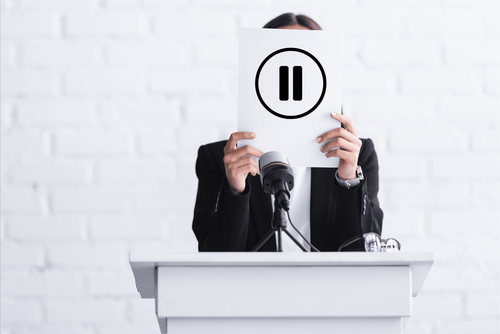

Table of Contents
- Why Silence Can Be Powerful in Public Speaking
- What Are Pauses in Speech?
- Why Pauses Are Important in Public Speaking
- The Power of Pause in Communication
- Pausing Before Speaking: A Key Public Speaking Skill
- Types of Pauses in Public Speaking
- How to Practice Pausing in Speech
- Teaching Children the Importance of Pauses in Speech
- Using Pauses in Different Public Speaking Situations
- How PlanetSpark Helps Students Master Public Speaking
- Pause to Impress: The Final Key to Powerful Public Speaking
What if the secret to a powerful speech isn’t speaking more, but pausing at the right moment? The world’s most compelling speakers know that pauses in speech can turn ordinary words into unforgettable messages. A simple pause can build suspense, highlight important ideas, and give audiences time to truly absorb what is being said. This is why learning the power of pause in communication is essential for anyone who wants to improve their speaking skills. Platforms like PlanetSpark help learners master these techniques through interactive public speaking training, helping them become confident and impactful communicators.
Why Silence Can Be Powerful in Public Speaking
Great public speakers understand that effective communication is not just about the words they say—it is also about how those words are delivered. Elements like timing, tone, and rhythm greatly influence how a message is received by an audience. One important yet often overlooked aspect of speech delivery is the use of pauses in speech. A well-timed pause can turn a simple statement into a powerful message. It helps capture attention, emphasize key ideas, and gives listeners time to process information. Skilled speakers also practice pausing before speaking, allowing them to organize their thoughts and express ideas clearly and confidently. Learning to use pauses effectively is an essential part of public speaking training. Platforms like PlanetSpark help students understand the power of pause in communication and teach practical techniques to deliver impactful speeches.
In this guide, we will explore the meaning, types, and benefits of pausing in speech, along with tips on how to note a significant pause in the speech.
What Are Pauses in Speech?
Pauses in speech refer to brief moments of silence that occur between words, phrases, sentences, or ideas during spoken communication. These pauses may be natural or intentional, and they play an important role in making speech more organized and effective. In public speaking, pauses function like punctuation marks in writing. Just as commas and periods break sentences into meaningful parts, pauses break spoken language into clear segments that listeners can easily understand. For example, imagine listening to a speaker who talks continuously without stopping. The speech may sound rushed, overwhelming, and difficult to follow. On the other hand, a speaker who uses pauses effectively sounds calm, confident, and engaging.
Pauses also give audiences time to process information. When a speaker explains a complex idea and then pauses briefly, listeners can reflect on what they have just heard. This improves comprehension and helps audiences remember the message. Therefore, pausing in speech is not a weakness or hesitation—it is a deliberate communication strategy used by skilled speakers to deliver messages more effectively.
Why Pauses Are Important in Public Speaking
Pauses play a vital role in making speeches clear and engaging. Understanding the power of pause in communication can help speakers deliver stronger and more memorable presentations.
Improves Clarity
One of the main benefits of pauses in speech is improved clarity. When speakers pause between ideas, the audience can easily follow the structure of the speech. Without pauses, words may blend together, making the message confusing.
Adds Emphasis to Important Points
Pauses help highlight important ideas. When a speaker pauses before delivering a key message, it signals to the audience that something significant is about to be said.
For example:
“Success is not about talent… pause …it is about consistency.”
The pause draws attention to the message and makes it more impactful.
Builds Confidence
Confident speakers often practice pausing before speaking. This short pause helps them organize their thoughts and maintain control of the conversation or presentation.
Reduces Filler Words
Many speakers use filler words such as “um,” “uh,” or “like” when they are thinking about what to say next. Learning pausing in speech helps replace these filler words with meaningful silence.
Keeps the Audience Engaged
A speech that includes strategic pauses feels more natural and engaging. Pauses give listeners time to think about the message and stay connected to the speaker.
The Power of Pause in Communication
The power of pause in communication becomes clear when we observe great speakers. Leaders, teachers, and storytellers often use pauses to control the rhythm and emotional impact of their speech.
A well-timed pause can achieve several things at once:
- Capture the audience’s attention
- Create suspense or anticipation
- Allow listeners to process important information
- Give the speaker time to think
- Emphasize important messages
For instance, in motivational speeches, speakers often pause before delivering their most inspiring lines. This pause creates anticipation and prepares the audience for a powerful statement. The power of pause in communication also helps speakers manage nervousness. When speakers slow down and pause naturally, they feel more relaxed and in control.
Unlock your child’s public speaking potential, start your journey with PlanetSpark today!
Pausing Before Speaking: A Key Public Speaking Skill
One of the simplest yet most effective habits in public speaking is pausing before speaking.
When speakers pause briefly before starting a sentence or answering a question, they gain time to organize their thoughts and choose the right words.
This small habit offers several advantages:
- It reduces nervousness
- It improves clarity of ideas
- It makes responses more thoughtful
- It creates a confident speaking style
For example, during a presentation or interview, taking a one-second pause before responding shows confidence and professionalism. Practicing pausing before speaking also improves listening skills. Instead of reacting immediately, speakers take a moment to understand the question or situation before responding.
Types of Pauses in Public Speaking
Different types of pauses serve different purposes in speeches and presentations. Understanding these types can help speakers use pauses in speech more effectively.
Grammatical Pauses
Grammatical pauses occur naturally at punctuation points such as commas, periods, and question marks.
Example:
“Today we will discuss leadership, pause, communication skills, pause, and teamwork.”
These pauses help structure speech and make it easier to understand.
Rhetorical Pauses
Rhetorical pauses are intentional pauses used to emphasize important ideas.
Example:
“The future belongs to those who prepare for it… pause …today.”
This pause increases the emotional impact of the statement.
Dramatic Pauses
Dramatic pauses are commonly used in storytelling and motivational speeches. They create suspense and keep audiences engaged.
Example:
“And then… pause …everything changed.”
Dramatic pauses highlight the power of pause in communication.
Thinking Pauses
Thinking pauses occur when speakers pause to gather their thoughts.
Instead of using filler words, speakers should use silent pauses. Practicing pausing before speaking helps develop this habit.
Emphatic Pauses
Emphatic pauses are used to highlight important statements.
Example:
“This decision… pause …will define our future.”
These pauses make the message stronger and more memorable.
How to Note a Significant Pause in the Speech
When writing speeches or scripts, it is important to understand how to note a significant pause in the speech. Speakers often mark pauses in their notes to remind themselves where to slow down or stop briefly. Here are common ways to indicate pauses:
Ellipsis (…)
Ellipsis is often used to represent a pause in speech.
Example:
“Change begins with one step… and that step begins today.”
Stage Directions
In speech scripts, pauses may be written as (pause).
Example:
“We are gathered here today… (pause) …to celebrate progress.”
Line Breaks
Breaking lines in a speech script also indicates pauses.
Example:
“Believe in yourself.
Work hard.
Never give up.”
Punctuation Marks
Commas, dashes, and periods naturally create pauses in speech.
Understanding how to note a significant pause in the speech helps speakers deliver presentations more effectively.

How to Practice Pausing in Speech
Learning to use pauses effectively requires practice. Here are some practical techniques.
Read Speeches Aloud
Reading speeches aloud helps speakers identify natural places to pause.
Record Your Practice Sessions
Recording your speech allows you to evaluate your pace and identify areas where pauses are needed.
Replace Filler Words with Pauses
Instead of saying “um” or “uh,” use silent pauses while thinking.
Use Breathing Techniques
Controlled breathing naturally creates pauses in speech and helps reduce nervousness.
Practice Storytelling
Storytelling is a great way to practice dramatic pauses and emphasize important moments.
Common Mistakes When Using Pauses
While pauses are powerful, they must be used correctly.
Speaking Too Fast
Many speakers rush through their speech without pausing. This makes the presentation difficult to follow.
Overusing Pauses
Too many pauses can make speech feel slow or awkward.
Using Filler Words
Replacing pauses with filler words weakens the impact of speech.
Pausing in the Wrong Places
Pauses should occur at meaningful points in the speech, not randomly.
Teaching Children the Importance of Pauses in Speech
Learning effective communication skills at a young age helps children develop confidence and leadership abilities.
Teaching pausing in speech helps children:
- Speak more clearly
- Organize their ideas
- Improve storytelling skills
- Build confidence in presentations
Students who learn public speaking early often perform better in academic and social situations.
Using Pauses in Different Public Speaking Situations
Presentations
Pauses help emphasize key points in business or academic presentations.
Storytelling
Dramatic pauses create suspense and emotional engagement.
Debates
Pauses allow speakers to think carefully before responding.
Interviews
Practicing pausing before speaking helps candidates answer questions thoughtfully.
Motivational Speeches
Motivational speakers use pauses to build emotional impact.
Tips for Mastering Pauses in Public Speaking
Here are some practical tips for improving your use of pauses.
Slow Down Your Speech
Speaking slowly makes it easier to include natural pauses.
Highlight Key Points
Pause before and after important statements.
Practice with a Timer
Timing your speech helps you maintain a balanced pace.
Watch Professional Speakers
Observing experienced speakers helps you understand how they use pauses effectively.
Stay Comfortable with Silence
Silence is not a mistake—it is a powerful communication tool.
Turn young learners into confident speakers with expert guidance from PlanetSpark.
How PlanetSpark Helps Students Master Public Speaking
Developing strong communication skills requires practice, feedback, and guidance. This is where PlanetSpark plays an important role. PlanetSpark is a communication learning platform that focuses on building public speaking and creative expression skills in students.
Structured Public Speaking Programs
PlanetSpark offers specialized courses designed to help students master essential speaking techniques, including pauses in speech.
Interactive Speaking Activities
Students participate in debates, storytelling sessions, and presentations where they practice pausing before speaking and delivering ideas clearly.
Personalized Feedback
Expert mentors guide students and provide feedback on speech delivery, pacing, and communication style.
Confidence Building
Through regular speaking practice, students learn to control their pace, use pauses effectively, and communicate with confidence.
Real-World Communication Skills
PlanetSpark programs focus on practical skills that help students succeed in school, competitions, and future careers.
Pause to Impress: The Final Key to Powerful Public Speaking
In public speaking, sometimes the most powerful moments come from silence. Pauses in speech help speakers add clarity, emphasize key ideas, and keep audiences engaged. By practicing pausing in speech and pausing before speaking, individuals can organize their thoughts and deliver messages with greater confidence. Understanding the power of pause in communication turns ordinary presentations into impactful ones. It is also useful to know how to note a significant pause in the speech while preparing scripts or presentations. With proper training and practice through platforms like PlanetSpark, anyone can develop this skill and become a confident speaker who knows exactly when to pause for impact.
Frequently Asked Questions
Pauses in speech are brief moments of silence used during speaking to separate ideas, emphasize important points, and help the audience understand the message clearly. In public speaking, these pauses improve clarity, rhythm, and audience engagement.
Pausing before speaking helps speakers organize their thoughts and choose the right words. This small habit also reduces nervousness and prevents the use of filler words like “um” or “uh,” making the speech sound more confident and professional.
The power of pause in communication lies in its ability to add emphasis and create impact. Strategic pauses help highlight key ideas, build suspense, and give the audience time to process information, making speeches more effective.
PlanetSpark offers structured public speaking programs that help students practice important techniques such as voice modulation, storytelling, and pausing in speech. Through interactive sessions and expert feedback, students learn to communicate confidently.
Yes, PlanetSpark focuses on building confidence through regular speaking practice, debates, and presentations. These activities help children become comfortable speaking in front of an audience and improve their overall communication skills.
At PlanetSpark, students learn essential public speaking skills such as pausing before speaking, organizing ideas, storytelling, voice modulation, and audience engagement. These skills help them become clear and confident communicators.
Parents choose PlanetSpark because it provides personalized mentoring, interactive learning sessions, and practical speaking activities that help students master the power of pause in communication and develop strong public speaking abilities.