
Play-Way Method: Meaning, Benefits, and How It Helps Child Learn

Last Updated At: 27 Mar 2026
10 min read
Table of Contents
- From Boredom to Brilliance: How the Play-Way Method Is Trans
- What Is the Play-Way Method?
- Why Play-Based Learning Is Important for Kids
- Types of Play-Way Method
- Play Class Activity Ideas That Make Learning Fun
- Play-Way Method of Teaching in Modern Education
- Play-Way Method Examples in the Classroom
- Benefits of the Play-Way Method
- Fun Play Ideas for Kids
- How Children Learn Through Play
- Tips for Parents to Encourage Play-Based Learning at Home
- How PlanetSpark Uses the Play-Way Method
- The Key Features of PlanetSpark
- Play, Learn, and Shine with PlanetSpark
What if learning felt as exciting as playtime? For children, curiosity and creativity thrive when education is fun and interactive rather than rigid and memorization-driven. This is exactly where the play-way method makes a difference. By turning lessons into games, storytelling, and hands-on activities, it encourages children to explore ideas and truly learn through play. When kids enjoy the process, they become more confident, expressive, and eager to participate. Platforms like PlanetSpark bring this approach to life through engaging online classes filled with debates, role-play, storytelling, and creative challenges—helping children build strong communication skills while making learning enjoyable and meaningful.
From Boredom to Brilliance: How the Play-Way Method Is Transforming Kids’ Learning
Modern education is changing fast. The traditional classroom model—where children sit quietly and memorize lessons—is slowly being replaced with more interactive and engaging learning approaches. One of the most effective methods gaining popularity in early education is the play-way method. This approach turns learning into an exciting experience by using games, activities, storytelling, and creative interaction. Instead of passive listening, children actively participate, explore ideas, and discover concepts in a fun and meaningful way. Platforms like PlanetSpark take this approach further by integrating play-based learning into online education through debates, role-play, and storytelling activities that strengthen communication skills. In this blog, we will explore the meaning of the play-way method, its types, engaging play class activities, real-life examples, and how PlanetSpark helps children truly learn through play.
What Is the Play-Way Method?
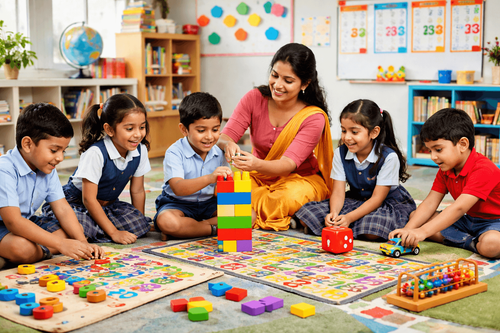
The play-way method is a teaching technique that focuses on learning through fun activities and interactive experiences. In this approach, children gain knowledge through games, storytelling, role-play, puzzles, and creative tasks.
This method recognizes that children naturally learn best when they are curious, active, and emotionally engaged.
Instead of memorizing facts, students explore concepts through experiences.
Play-Way Method Meaning
The play-way method of teaching refers to a child-centered approach where learning happens through play and interactive activities rather than strict instruction.
Some key features of this method include:
- Learning through games
- Activity-based lessons
- Encouraging curiosity and creativity
- Collaborative learning
- Hands-on experiences
When children participate in playful activities, they develop a deeper understanding of concepts and retain knowledge longer.
PlanetSpark uses these same principles to create interactive learning experiences that keep children engaged while improving their communication and confidence.
Why Play-Based Learning Is Important for Kids
Play-based learning is a powerful educational approach that encourages children to learn while having fun.
Young children are naturally curious. When learning is presented as play, they feel excited rather than pressured.
This makes it easier for them to understand and remember new ideas.
Benefits of Play-Based Learning
1. Improves Cognitive Development
Interactive play activities stimulate brain development and help children think critically.
2. Encourages Creativity
Games and imaginative tasks allow children to explore ideas and express themselves freely.
3. Builds Communication Skills
Play often involves storytelling, discussions, and role-playing, which improve language development.
4. Promotes Social Interaction
Group activities help children learn teamwork and cooperation.
5. Boosts Confidence
When children succeed in playful challenges, they feel proud and motivated to learn more.
PlanetSpark learning model focuses strongly on play-based learning, helping children develop creativity, communication, and confidence through engaging activities.
Types of Play-Way Method
Educators use different types of play-way method to support children's development. Each type encourages learning in a unique way.
1. Physical Play
Physical play includes activities that involve movement and coordination.
Examples include:
- Running games
- Dance activities
- Ball games
- Obstacle courses
These activities improve motor skills, balance, and physical fitness.
2. Constructive Play
Constructive play involves creating or building something using materials.
Examples include:
- Building structures with blocks
- Craft activities
- Clay modeling
- Puzzle solving
This type of play develops problem-solving abilities and creativity.
3. Imaginative Play
Imaginative play allows children to explore fictional scenarios.
Examples include:
- Role playing as teachers or doctors
- Acting out stories
- Pretend shopping games
This type of play strengthens storytelling skills and imagination.
PlanetSpark often uses storytelling and role-play activities to improve children's speaking skills.
4. Social Play
Social play focuses on interaction with other children.
Examples include:
- Group games
- Team competitions
- Drama performances
- Collaborative projects
This type of play helps children develop communication and teamwork skills.
Help your child learn through play and build confidence—start their journey with PlanetSpark today!
5. Cognitive Play
Cognitive play involves activities that stimulate thinking and reasoning.
Examples include:
- Brain teasers
- Word puzzles
- Educational games
- Matching activities
PlanetSpark integrates these cognitive challenges into its learning modules to make lessons engaging and stimulating.
Play Class Activity Ideas That Make Learning Fun
Teachers and parents can use creative play class activity ideas to encourage children to participate actively in learning.
Here are some fun activities that help children learn through play.
Alphabet Treasure Hunt
Write letters on small cards and hide them around the room.
Children search for the letters and use them to form words.
This activity improves:
- Vocabulary
- Observation skills
- Problem-solving abilities
Story Chain Game
One child begins a story with a sentence. Each student adds another sentence to continue the story.
This activity boosts:
- Creativity
- Listening skills
- Imagination
PlanetSpark uses similar storytelling exercises to help children develop public speaking and creative thinking skills.
Math Dice Challenge
Children roll dice and perform simple math operations.
This activity makes math exciting rather than intimidating.
Role Play Activities
Children act out real-life scenarios such as:
- Shopping at a store
- Ordering food at a restaurant
- Conducting interviews
Role play helps children practice communication skills and confidence, which are core learning goals in PlanetSpark programs.
Art and Craft Learning
Children create models related to their lessons.
For example:
- Building a solar system model
- Creating animal masks
- Designing story characters
These creative projects improve imagination and fine motor skills.
Play-Way Method of Teaching in Modern Education
The play-way method of teaching is widely used in preschools and primary schools across the world.
Teachers now understand that children learn best when lessons are interactive and engaging.
Principles of the Play-Way Method
- Child-centered learning
- Learning by doing
- Active participation
- Freedom of expression
- Experiential learning
Instead of simply delivering lectures, teachers act as facilitators who guide children through fun learning experiences.
PlanetSpark follows the same philosophy by designing classes that include interactive discussions, creative storytelling, and playful challenges.
Play-Way Method Examples in the Classroom
Understanding play-way method examples helps parents and teachers see how learning can be transformed through fun activities.
Example 1: Learning Vocabulary Through Games
Teachers use word games such as:
- Scrabble
- Word puzzles
- Vocabulary bingo
PlanetSpark also uses interactive vocabulary games to help children improve language skills.
Example 2: Learning Science Through Experiments
Children perform simple experiments like:
- Mixing colors
- Observing plant growth
- Exploring magnets
These activities encourage curiosity and scientific thinking.
Example 3: Learning Communication Through Role Play
Students participate in role-play exercises such as:
- Mock interviews
- Debates
- Storytelling performances
PlanetSpark specializes in these activities to help children become confident speakers.
Example 4: Learning Geography Through Games
Teachers use:
- Map puzzles
- Country quizzes
- Flag matching games
Interactive learning makes geography exciting for children.
Benefits of the Play-Way Method
The play-way method offers numerous advantages for children's academic and personal development.
1. Makes Learning Enjoyable
Children stay interested when lessons are fun and engaging.
2. Encourages Active Learning
Students participate rather than passively listening to lectures.
3. Improves Memory Retention
When children learn through play, they remember concepts longer.
4. Develops Creativity
Play activities encourage imaginative thinking.
5. Builds Social Skills
Group activities teach collaboration and communication.
6. Strengthens Emotional Intelligence
Children learn to manage emotions and interact positively with others.
7. Boosts Confidence
Completing playful challenges helps children believe in their abilities.
PlanetSpark leverages these benefits by designing programs that combine play-based learning with communication skill development.
Fun Play Ideas for Kids
Parents and teachers can use creative play ideas to encourage learning at home or in classrooms.
Puzzle Games
Children solve puzzles related to shapes, animals, or words.
Memory Card Games
Children match pairs of cards with pictures or words.
Story Acting
Kids act out characters from their favorite stories.
Shape Sorting Activities
Children sort objects by shape or color.
Build and Create Activities
Children build structures using blocks or craft materials.
These play ideas help children develop creativity, logic, and communication skills.
How Children Learn Through Play
Children naturally learn through play because it activates curiosity and exploration.
When children engage in playful activities, they:
- Experiment with ideas
- Ask questions
- Solve problems
- Develop social skills
Play stimulates multiple areas of the brain, helping children learn faster and more effectively.
Educational research consistently shows that children who experience play-based learning tend to develop stronger problem-solving abilities, creativity, and communication skills.
Give your child the power to speak confidently and think creatively with PlanetSpark play-based learning programs.
Tips for Parents to Encourage Play-Based Learning at Home
Parents can support play-based learning in many simple ways.
Create a Learning-Friendly Space
Provide toys, puzzles, and craft materials that encourage creativity.
Encourage Storytelling
Ask children to narrate stories or describe their day.
Play Educational Games
Games that involve words, numbers, or logic can strengthen learning.
Participate in Activities
Playing with children makes learning more enjoyable and strengthens bonding.
Celebrate Creativity
Praise children for their efforts and imaginative ideas.
How PlanetSpark Uses the Play-Way Method
PlanetSpark is a leading platform focused on helping children build confidence, communication skills, and creativity. The platform uses play-based learning techniques to ensure that children remain engaged throughout the learning process.
Interactive Activities Used by PlanetSpark
PlanetSpark classes include:
- Storytelling games
- Role-play exercises
- Debate challenges
- Creative writing tasks
- Public speaking practice
These activities make learning exciting while improving essential skills.
Skills Children Develop with PlanetSpark
PlanetSpark helps children develop:
- Public speaking skills
- Confidence and stage presence
- Creative thinking
- Strong vocabulary
- Leadership abilities
By combining the play-way method of teaching with modern technology, PlanetSpark provides a dynamic learning environment for children.
The Key Features of PlanetSpark
- Live 1:1 Interactive Classes: Personalized sessions that focus on each child’s learning pace and communication growth.
- Focus on Communication Skills: Helps kids master public speaking, storytelling, debates, and creative writing.
- Play-Based Learning Approach: Engaging activities like role-play, games, and storytelling make learning fun and effective.
- Expert Trainers: Certified teachers trained to build children’s confidence and expression skills.
- Structured Curriculum: A well-designed program that gradually improves speaking, creativity, and critical thinking.
- Confidence Building: Encourages kids to express ideas clearly and speak confidently in real-life situations.
- Performance Opportunities: Students get chances to participate in debates, presentations, and competitions.
These skills are essential for success in the modern world.

Play, Learn, and Shine with PlanetSpark
The play-way method has transformed how children experience education by blending games, storytelling, role-play, and creative activities into everyday learning. This engaging approach makes lessons enjoyable while helping kids develop essential skills like creativity, communication, confidence, and problem-solving. Through play-based learning, children stay curious, active, and eager to explore new ideas. Platforms like PlanetSpark elevate this method by offering interactive classes filled with storytelling, debates, and role-play that strengthen communication and self-expression. If you want your child to learn through play while building strong speaking skills and confidence, PlanetSpark provides the perfect environment for fun, meaningful, and future-ready learning. 🚀
Frequently Asked Questions
The play-way method of teaching is an educational approach where children learn through games, activities, storytelling, and hands-on experiences instead of traditional memorization-based learning.
The play-way method helps children develop creativity, communication skills, confidence, problem-solving abilities, and social skills while making learning fun and engaging.
Examples include storytelling games, role-play activities, puzzles, treasure hunts, art and craft projects, and interactive group games that help children learn concepts through play.
Play-based learning encourages active participation, curiosity, and exploration, helping children understand concepts more deeply and retain information for longer periods.
PlanetSpark incorporates play-based learning through storytelling, debates, role-play, and creative challenges that help children build communication skills while enjoying the learning process.
PlanetSpark helps children develop public speaking, confidence, creativity, critical thinking, vocabulary, and leadership skills through interactive and engaging activities.
Parents choose PlanetSpark because it offers interactive classes, expert trainers, and activity-based learning that helps children learn through play while building strong communication and confidence.