

Stage Fear Management and Audience Engagement in Public Speaking
Learn how to overcome fear of public speaking and engage any audience with confidence
What Is Stage Fear?
Stage fear is a natural stress response that activates when a person feels evaluated by an audience. In public speaking, the brain often misreads attention as threat, triggering increased heart rate, shallow breathing, and racing thoughts.
Neuroscientists link stage fear to the amygdala, the part of the brain responsible for survival responses. This means stage fear in public speaking is not a weakness, but a biological reaction. Speakers who understand this are better equipped for stage fear management because they work with the body rather than fighting it.
Fear of Public Speaking: Common Causes and Triggers
Format: Cause Mapping
The fear of public speaking rarely has one single cause. It usually develops through repeated emotional experiences.
Trigger Map
Cognitive triggers: fear of mistakes, perfectionism, self doubt
Emotional triggers: embarrassment, past criticism, comparison
Situational triggers: large audience, authority figures, unfamiliar setting
Identifying your dominant trigger allows targeted stage fear management techniques, making practice more effective and less overwhelming.
How Stage Fear Affects Confidence, Voice, and Body Language
When stage fear appears, it sets off a communication chain reaction:
Fear → Breath disruption → Voice instability → Body stiffness → Reduced audience engagement
This is why anxiety often shows physically before it is heard verbally. Research in speech psychology confirms that nervous breathing reduces vocal control, while muscle tension restricts natural movement. Managing fear early protects confidence, voice quality, and nonverbal communication.
Proven Stage Fear Management Techniques That Actually Work
Format: Technique Spotlight
Not all techniques work equally. The most effective stage fear management methods focus on regulation rather than suppression.
Technique spotlight
Visualization: mentally rehearsing success activates confidence pathways
Progressive exposure: increasing speaking difficulty gradually
Pre speaking rituals: consistent routines signal safety to the brain
Performance psychology studies show speakers who follow structured routines experience fewer fear spikes than those who rely on motivation alone.
Breathing and Mindset Techniques to Reduce Speaking Anxiety
Breathing and mindset must work together to reduce speaking anxiety.
Step 1: Slow exhale to calm the nervous system
Step 2: Align posture to support breath
Step 3: Replace pressure thoughts with purpose driven thoughts
Cognitive behavioral research shows that mindset reframing lowers stress hormones responsible for stage fright, making speaking feel manageable instead of threatening.

Why Audience Engagement Helps Reduce Stage Fear
Audience engagement reduces fear because it shifts attention outward. Instead of monitoring every internal sensation, speakers respond to real time audience cues.
Engagement creates feedback loops such as nods, expressions, and reactions. These cues reassure the speaker and stabilize emotions. Communication studies consistently show interactive speaking lowers anxiety compared to one sided delivery.
Simple Audience Engagement Techniques for Confident Speaking
Engagement does not require performance level energy.
Use engagement as support
Ask one open ended question
Share a short relatable example
Pause after key points
Use eye contact to anchor confidence
These audience engagement techniques work equally well for kids in classrooms and adults in professional settings.
How to Manage Stage Fear While Speaking in Front of an Audience
Fear often peaks during the opening moments. Managing stage fear during delivery requires grounding.
Instead of moving constantly, speakers should pause intentionally. A short pause resets breathing and reduces cognitive overload. Studies show audiences perceive pauses as confidence, not hesitation.
Real time control is one of the most overlooked stage fear management skills.
Stage Fear Management Tips for Kids and Young Speakers
Children experience stage fear because emotional regulation skills are still developing. Pressure increases fear, while familiarity reduces it.
Short speaking activities, storytelling, and positive reinforcement help children associate speaking with safety. Early exposure creates confidence patterns that last into adulthood.
Overcoming Fear of Public Speaking for Adults and Professionals
For adults, the fear of public speaking is often linked to evaluation and performance pressure. Mistakes feel costly, which increases anxiety.
Adults benefit most from structured rehearsal, feedback, and controlled exposure. Professionals who focus on clarity and connection rather than perfection report faster improvement and reduced fear.
Practice Exercises to Build Confidence and Audience Connection
Format: Routine Framework
Confidence routine
Short daily speaking practice
Controlled breathing before speaking
Storytelling with pauses
Eye contact drills
Consistency builds familiarity, which is the strongest antidote to fear. These exercises improve both stage fear management and audience engagement over time.
Common Stage Fear and Engagement Mistakes to Avoid
Most speakers unknowingly increase fear by:
Over memorizing content
Speaking too fast
Avoiding audience interaction
Aiming for perfection
Correcting these habits reduces anxiety and improves communication clarity.
When to Take Expert Guidance for Stage Fear Management and Audience Engagement
Expert guidance helps when fear limits growth or confidence remains unstable.
You may benefit if fear:
Disrupts your voice or posture
Blocks participation
Reduces engagement
Persists despite practice
Structured feedback accelerates learning and builds sustainable speaking confidence.
Get Acquainted with Our Top Educators
Top 1% certified experts who make learning engaging and impactful.

 Aanchal Soni
 10+ Years
 Ankita Singh8+ Years
 Banani Garai30+ Years
 Ankur Bhardwaj10+ Years
 Deepa Kaushal2+ Years
 Divya Khangarot4+ Years
 Divya Solanki11+ Years
 Fahira Khan
 Maria Antony8+ Years
 Mariya Ali
 Mariyam Farhana B
 Priya Badotiya7+ Years
 Priya Shukla10+ Years
 Ranjana Pathania
 Roohi Kalra
Building Confidence on Stage Starts With Connection
Stage fear is not something to eliminate, it is something to manage with the right awareness, practice, and techniques. When speakers learn how to regulate fear and focus on audience engagement, public speaking shifts from pressure to purpose. Whether for kids finding their voice or adults building professional presence, consistent stage fear management builds confidence, clarity, and connection. With the right guidance and practice, speaking on stage becomes a skill that grows stronger every time you step forward.

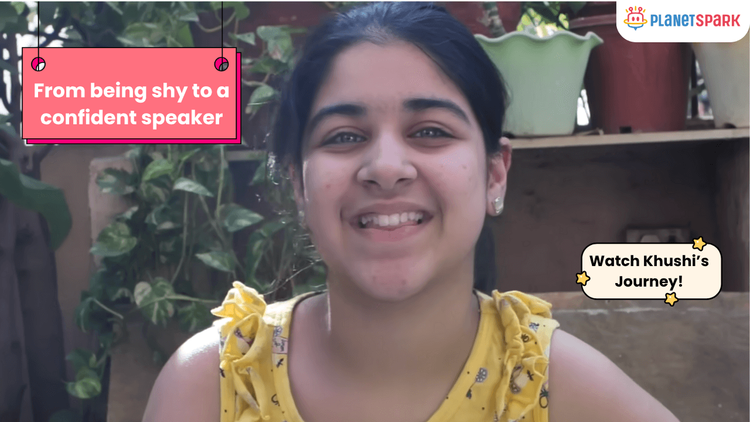












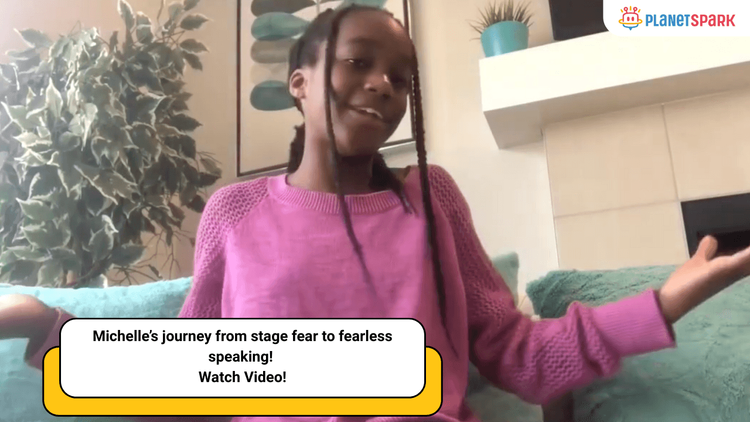

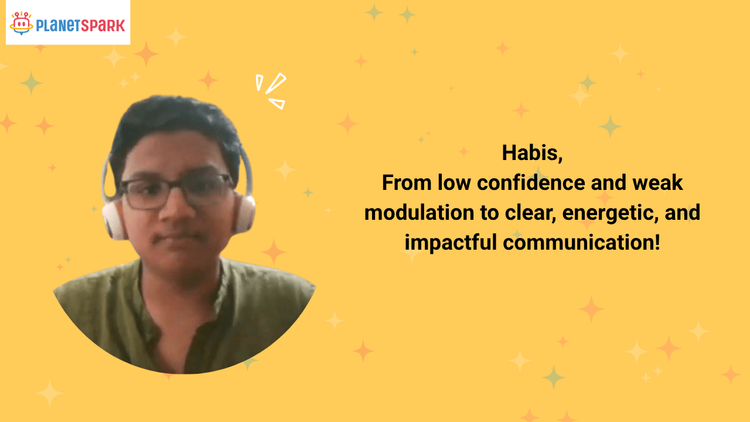








Making Headlines Nationwide
Featured in leading media for transforming individuals into confident, expressive, and stage-ready public speakers.



Frequently Asked Questions
Stage fear in public speaking is the anxiety or nervousness a speaker feels when performing in front of an audience. It is a natural response caused by the brain reacting to attention and evaluation.
Effective stage fear management helps control breathing, calm the mind, and improve voice and body language, making speakers feel more confident and composed on stage.
Audience engagement keeps listeners involved and reduces speaker anxiety by creating connection and feedback, which helps speakers feel supported during their speech.
The best techniques to overcome fear of public speaking include controlled breathing, gradual practice, audience interaction, and structured rehearsal with feedback.
Kids can manage stage fear through storytelling activities, short speaking games, positive reinforcement, and regular low pressure practice in familiar environments.
Yes, adults can overcome stage fear by using proven speaking techniques, consistent practice routines, and learning how to engage audiences through eye contact, pauses, and clear messaging.
Audience engagement shifts the speaker’s focus from internal fear to external connection, which naturally reduces anxiety and improves delivery.
Professional guidance is helpful when stage fear affects voice control, confidence, or performance despite regular practice and preparation.