
Stage Presence by PlanetSpark for Powerful Public Speaking


Table of Contents
Stage presence is the difference between simply speaking and truly commanding attention. Whether you are a student presenting in class or a working professional leading a meeting, strong stage presence helps you connect, influence, and leave a lasting impression.
At PlanetSpark, stage presence is trained as a practical skill, not a personality trait you’re born with. Through guided coaching, structured drills, and personalized feedback, learners discover how to build confidence, control their voice, and engage any audience with clarity and impact.
What Is Stage Presence?
Stage presence meaning refers to your ability to hold attention and connect with your audience while speaking. It is not about being loud or dramatic. It is about standing confidently, speaking clearly, and making people want to listen.
When students and professionals understand stage presence meaning, they realise it is a combination of body language, voice, eye contact, and confidence working together.
Supporting points:
It reflects confidence through posture and expression
It shows energy and clarity in voice
It helps build a natural connection with listeners
What is stage presence and why it matters in real life
What is stage presence in practical terms? It is the ability to walk into a room, begin speaking, and immediately earn attention without forcing it. It affects school presentations, interviews, pitches, and leadership opportunities.
Strong stage presence helps speakers appear prepared, confident, and trustworthy.
Supporting points:
Helps students perform better in debates and assemblies
Improves interview performance
Strengthens leadership impact in meetings
Why Stage Presence Matters for Students and Working Professionals
How stage presence builds confidence in school and college
Students often struggle with stage fear. Even well-prepared students lose marks because nervousness affects their delivery. Developing stage presence helps students speak with clarity instead of hesitation.
Learning how to have stage presence gives students control over their body language and voice, which reduces fear over time.
Supporting points:
Reduces stage fright
Improves classroom participation
Builds long-term speaking confidence
How stage presence influences interviews, meetings, and leadership
For professionals, stage presence influences promotions and leadership perception. A strong idea can lose impact if delivery feels unsure or monotone.
Knowing how to have good stage presence helps professionals project confidence, credibility, and authority.
Supporting points:
Enhances executive presence
Improves persuasion in presentations
Builds trust during client interactions
Enroll now at PlanetSpark and build strong stage presence, articulation, and courage.
How stage presence improves performance in competitions and public events
Beyond classroom presentations, stage presence plays a major role in debates, competitions, cultural events, and public functions. Students who develop strong stage presence are able to speak clearly under pressure and maintain composure even when facing large audiences. This confidence helps them perform better and enjoy public speaking instead of fearing it.
Supporting points:
Improves delivery in debates and competitions
Helps manage pressure during public events
Builds visible confidence in front of large audiences
How stage presence strengthens professional growth and career impact
In professional settings, stage presence directly influences how others perceive competence and leadership potential. Whether speaking in team meetings, client presentations, or industry events, confident delivery increases credibility. Professionals who invest in stage presence often find that their ideas gain more attention and respect.
Supporting points:
Increases visibility during meetings
Strengthens leadership perception
Creates stronger impact during high-stakes presentations
Core Elements That Create Powerful Stage Presence
Body language and posture that command attention
Your body speaks before your words do. Standing tall, using open gestures, and moving purposefully immediately improves stage presence. Poor posture or fidgeting weakens authority.
Supporting points:
Keep shoulders relaxed and upright
Use intentional hand gestures
Avoid pacing without purpose
Eye contact and facial expressions that build connection
Eye contact builds trust. Instead of looking down or at slides, scanning the room helps create connection. Facial expressions add warmth and authenticity.
Supporting points:
Maintain steady but natural eye contact
Smile when appropriate
Avoid staring at one spot
Voice control, pauses, and energy that hold attention
Voice is one of the strongest tools in stage presence. Speaking in one tone makes listeners lose interest. Controlled pauses and voice variation keep audiences engaged.
Supporting points:
Change tone and pace intentionally
Use pauses for emphasis
Project energy without shouting

Purposeful movement that shows confidence
Movement on stage should never feel random. When speakers move with intention, it strengthens stage presence and signals confidence. Small, controlled shifts in position help emphasize key ideas, while standing still during important points creates authority. Nervous pacing, however, distracts the audience and weakens impact.
Supporting points:
Move only to highlight transitions or key ideas
Pause in one spot when making strong statements
Avoid restless walking or swaying
First impressions that set the tone
Stage presence begins before the first word is spoken. The way you walk onto the stage, stand, and pause creates an immediate impression. A calm entrance followed by a confident pause signals control and readiness to speak.
Supporting points:
Walk in with steady posture
Pause briefly before starting
Begin speaking only after gaining attention
Authentic energy that feels natural
Strong stage presence is not about acting or exaggerating personality. It is about bringing genuine energy to your message. When speakers sound natural and aligned with their topic, audiences feel more connected and engaged.
Supporting points:
Speak in your natural voice
Match energy to the topic
Focus on connection over performance
Proven Stage Presence Tips You Can Apply Immediately
Stage presence tips to feel confident before you speak
Confidence starts before stepping onto the stage. Simple preparation techniques can strengthen stage presence quickly.
Supporting points:
Take slow, deep breaths
Ground your feet firmly
Visualise a successful delivery
Book a free demo class with PlanetSpark and watch your child speak boldly and clearly.
How to have stage presence during your speech
While speaking, focus on connection instead of perfection. Thinking of the audience as people not judges makes delivery natural.
Supporting points:
Speak as if having a conversation
Move with purpose
Keep gestures open and relaxed
How to have good stage presence even if you feel nervous
Nervousness is normal. The key is learning how to channel it into energy. Practising regularly improves stage presence over time.
Supporting points:
Record and review practice sessions
Warm up your voice beforehand
Focus on your message, not mistakes
How to prepare mentally for strong stage presence
Strong stage presence begins with the right mindset. Before stepping up to speak, remind yourself that the audience wants to learn from you, not judge you. Shifting focus from fear to purpose helps reduce anxiety and strengthens confidence naturally.
Supporting points:
Focus on the value of your message
Replace negative thoughts with positive self-talk
Remind yourself that mistakes are normal
How to practise stage presence daily without a real stage
You do not need a big stage to improve stage presence. Daily micro-practice builds comfort and control over time. Small exercises help develop posture, voice strength, and natural delivery so that confidence feels automatic when the real moment arrives.
Supporting points:
Practise speaking in front of a mirror
Deliver short talks to friends or family
Record 1–2 minute practice speeches regularly
Common Stage Presence Challenges and How to Fix Them
Dealing with stage fear and shaky delivery
Many students and professionals experience trembling hands or shaky voices. Strong stage presence develops gradually through guided practice and confidence-building techniques.
Supporting points:
Practice in low-pressure settings first
Slow down speech intentionally
Use breathing techniques
Avoiding monotone or flat delivery
Monotone delivery makes even strong ideas sound dull. Improving stage presence requires adding variation and warmth.
Supporting points:
Change pitch naturally
Emphasise important words
Use pauses instead of filler words
Breaking awkward body language habits
Fidgeting, crossed arms, or looking at the floor weakens stage presence. Awareness and correction build stronger impact.
Supporting points:
Practice in front of a mirror
Keep hands visible
Maintain balanced posture
About PlanetSpark
PlanetSpark builds strong stage presence through live, expert-led public speaking training. Students and working professionals learn confident delivery, purposeful body language, voice control, and audience connection through personalised coaching. The program helps learners become clear, composed, and impactful speakers who can command attention in classrooms, interviews, meetings, and leadership settings.
1:1 Stage Presence Coaching by Communication Experts
Each learner works individually with certified trainers who understand personal speaking challenges and provide customised feedback to improve posture, eye contact, gestures, and vocal clarity.
Step-by-Step Skill Building
Learners systematically develop stage presence through voice modulation, structured speech delivery, expressive body language, persuasive techniques, extempore speaking, and real-world presentation practice.
Performance-Focused Training Modules
Sessions focus on structured delivery formats that teach learners how to open strong, maintain engagement, and close with impact helping them build confident stage presence in any speaking situation.
Real-Time Practice and Speaking Opportunities
Learners participate in guided presentations, debate simulations, and performance exercises that allow them to practise stage presence in supportive, structured environments.
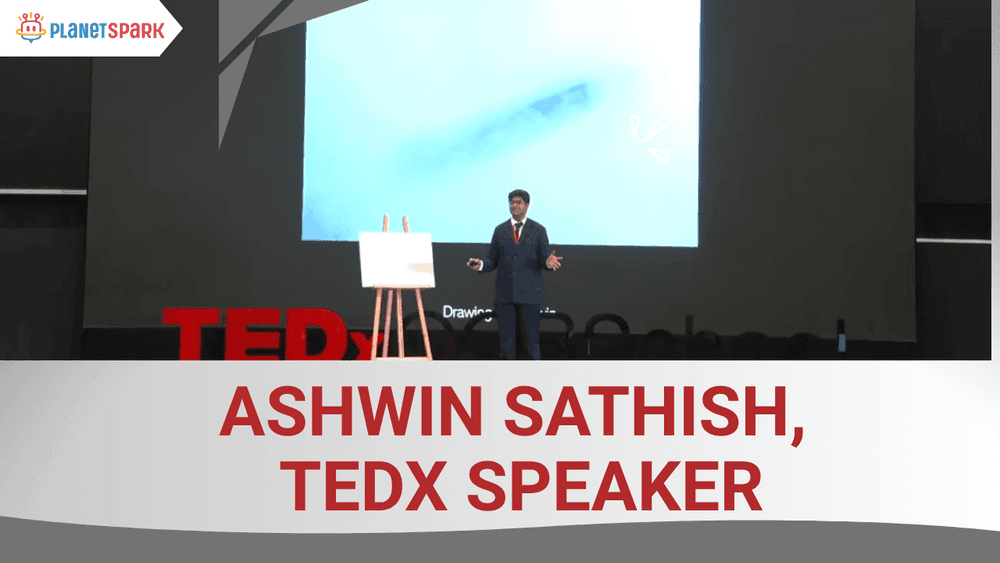
Ashwin’s Journey: From Nervous Presenter to Powerful Stage Performer
Ashwin Sathish, a confident Grade 8 learner aged 13, has grown far beyond regular classroom presentations by developing strong stage presence and delivery skills. Known for his TEDx appearance in New Delhi, Ashwin’s transformation was not just about speaking louder it was about standing with confidence, using purposeful gestures, controlling his voice, and connecting with his audience. With consistent training and guided practice, he learned how to channel nervous energy into powerful expression. Today, Ashwin commands attention naturally, showing how structured stage presence training can turn potential into real performance impact.
Ready to Own Any Stage with Confidence?
Strong stage presence is not about being dramatic or naturally extroverted. It is about learning how to control your body language, voice, and mindset so that your message carries power. When students and professionals understand what is stage presence and practise it correctly, they transform from hesitant speakers into confident communicators.
PlanetSpark’s guided training helps learners understand how to have stage presence through structured coaching, expert feedback, and consistent practice. If you are ready to develop stage presence that makes a real impact in school, interviews, or leadership roles, book a free demo class with PlanetSpark and start building powerful public speaking skills today.
Frequently Asked Questions
Stage presence is the ability to confidently hold attention and connect with an audience while speaking. It includes posture, eye contact, voice modulation, energy, and authenticity. Strong stage presence makes a speaker appear confident and impactful.
Stage presence meaning includes body language, facial expressions, voice control, movement, and audience connection. It is not about acting or being dramatic—it is about speaking naturally with clarity and confidence.
To have stage presence, stand upright, maintain natural eye contact, vary your voice, and move with purpose. Focus on connecting with the audience instead of trying to be perfect. Regular practice and feedback help improve stage presence over time.
You can have good stage presence even when nervous by controlling your breathing, grounding your posture, and focusing on your message. Nervous energy can be channeled into enthusiasm with proper training and preparation.
Some practical stage presence tips include practising in front of a mirror, recording yourself, using intentional pauses, smiling naturally, and speaking as if having a conversation. These small habits gradually build confidence and control.
Stage presence is important because it influences how others perceive your confidence and credibility. Students perform better in presentations and competitions, while professionals gain stronger impact in interviews, meetings, and leadership roles.