
The F.O.R.D. Method: Build Better Conversations & Confidence
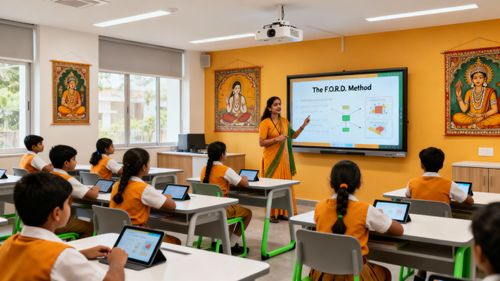

Table of Contents
- What is The F.O.R.D. Method?
- Why The F.O.R.D. Method Matters
- Breaking Down Each Aspect of The F.O.R.D. Method
- How The F.O.R.D. Method Improves Communication Skills
- Applications of The F.O.R.D. Method in Real Life
- Conversation Starters Using The F.O.R.D. Method
- The F.O.R.D. Method for Public Speaking Practice
- Why Kids Should Learn The F.O.R.D. Method
- PlanetSpark Public Speaking Course
- Inspire Communication – Shape Confident Futures
Good communication is the foundation of success in every part of life, school, friendships, interviews, and even future careers. Yet, many children and teens struggle when it comes to starting conversations, asking questions, or maintaining meaningful dialogue. This is where the F.O.R.D. Method comes in an easy and structured conversation framework that helps kids and adults build stronger social connections.
This blog explains the F.O.R.D. Method in detail, its benefits, real-life applications, example conversation starters, how it supports public speaking development, and how kids can master these skills through professional training.
What is The F.O.R.D. Method?
The F.O.R.D. Method is a conversational tool used globally to initiate meaningful discussions and build long-lasting relationships. It simplifies interaction by offering four approachable themes:
F – Family
O – Occupation
R – Recreation
D – Dreams
Each category represents a natural area of life that people can relate to, allowing conversations to flow smoothly.
The method works brilliantly for:
Students
Young professionals
Kids developing communication skills
Individuals struggling with social interactions
Anyone who wants to reduce conversational awkwardness
By providing clear speaking categories, the F.O.R.D. Method empowers learners to ask thoughtful questions, express ideas clearly, and stay engaged in conversations.
Whether speaking on stage, meeting someone new, or participating in group discussions, this strategy enhances social interaction, confidence, and verbal fluency.
Why The F.O.R.D. Method Matters
Many children hesitate or freeze during conversations because they:
Don’t know what to talk about
Fear saying something wrong
Lose confidence mid-conversation
The F.O.R.D. Method solves this problem by giving four structured conversation categories. This structure makes communication easier and more natural.
Benefits for Students
Encourages better classroom participation
Helps in building meaningful friendships
Improves clarity of speech
Reduces hesitation and anxiety
Helps them speak confidently in front of groups
Whether your child is shy, introverted, or outspoken, this method helps them enhance public speaking and develop strong interpersonal communication.
Breaking Down Each Aspect of The F.O.R.D. Method
F – Family
Talking about family is a universal way to connect. Asking questions about someone’s background instantly creates warmth.
Examples:
Do you have siblings?
Are you close with your family?
Where does your family live?
These questions help set a friendly tone, build trust, and create emotional comfort.
O – Occupation
Occupation includes school, college, or work.
For students, questions may include:
Which class are you in?
Which teacher is your favorite?
What subject do you enjoy the most?
For adults:
What job do you do?
What’s your workplace like?
Talking about occupation keeps conversations structured and engaging.
R – Recreation
Recreation focuses on hobbies and activities that people enjoy. This is often the easiest area for kids to talk about.
Possible discussion topics:
Sports
Dance
Reading
Painting
Music
Gaming
Travel
Asking about hobbies helps identify shared interests and makes conversations lively.
D – Dreams
Dreams include aspirations, future plans, or life goals.
Questions may include:
What do you want to be when you grow up?
Where would you love to travel?
What is your biggest ambition?
Talking about dreams leads to deeper and more meaningful connections.
How The F.O.R.D. Method Improves Communication Skills
The secret to great communication is preparedness. The F.O.R.D. Method helps learners stay prepared with structured conversational themes.
Makes Conversation Easier
FORD prevents awkward silences by providing conversation categories that help guide dialogue.
Enhances Listening Skills
The method encourages curiosity, students ask more questions, listen carefully, and respond thoughtfully.
This results in:
Better attention span
Improved memory
Greater empathy
Builds Confidence
Because the method is structured, kids feel prepared and less anxious when interacting with new people.
Reduces Social Anxiety
With a predictable conversation sequence, students avoid panic and enjoy smoother social interactions.
Supports Public Speaking Development
Public speaking is not just about presenting—it is about connecting with the audience.
FORD helps students:
Organize thoughts
Share personal stories
Speak with clarity
Create emotional impact
Want structured guidance?
Join the PlanetSpark Public Speaking Course and help your child become a powerful communicator.
Applications of The F.O.R.D. Method in Real Life
School and Classroom
Children can use FORD to:
Introduce themselves
Express opinions in discussions
Take part in debates
Speak confidently in activities
It helps them feel confident and engaged.
Family Gatherings
Kids can connect confidently with relatives and share stories about:
School
Hobbies
Achievements
Goals
This builds stronger relationships.
Friendships
Conversations based on FORD help form deeper friendships based on shared interests and understanding.
Social Events
Kids learn to:
Meet new people
Ask thoughtful questions
Maintain conversations
This supports healthy social confidence.
Professional Growth
As kids grow older, FORD helps during:
Interviews
Scholarship presentations
Internship discussions
Networking events
These skills are essential for long-term success.
Conversation Starters Using The F.O.R.D. Method
Family
Where is your family from?
Do you have siblings?
Do you have pets?
Occupation
What grade are you in?
What’s your favorite subject?
What do you enjoy learning?
Recreation
What do you do after school?
What do you like doing on weekends?
Do you play any sports?
Dreams
What do you want to be when you grow up?
What would you like to learn next?
Where would you love to travel?
The F.O.R.D. Method for Public Speaking Practice
Building Speech Structure
FORD can help structure personal speeches:
Example Layout:
Introduction
Family background
School involvement
Hobbies
Future dreams
This structure gives speeches depth, relatability, and emotional connection.
Enhancing Stage Confidence
Since kids discuss familiar topics, they feel more comfortable and confident on stage.
Encouraging Storytelling
Talking about family, hobbies, and dreams naturally encourages storytelling—a critical skill for engaging audiences.
Why Kids Should Learn The F.O.R.D. Method
Benefits for Students
Easy conversation building
Better clarity of thought
Improved speaking confidence
Greater listening ability
Stronger friendships
Increased emotional intelligence
The F.O.R.D. Method becomes the base of lifelong communication skills.
PlanetSpark Public Speaking Course
PlanetSpark empowers young learners to become confident speakers, storytellers, and debaters through personalized training, international exposure, and structured coaching.
The curriculum is designed using global teaching methodologies, activity-based learning, and modern evaluation tools.
1:1 Public Speaking Coaching
Certified trainers help students build communication skills through personal guidance and feedback.
Step-by-Step Skill Building
Focus areas include:
Speech delivery
Voice modulation
Persuasive techniques
Storytelling
Logical expression
Debating formats
Creative writing
Students also learn facial expressions, body language, and reasoning.
Debate Formats
Rebuttals
Turncoat
Mock Parliament
Counterarguments
Ethos-Pathos-Logos
TED-Style Training
Students learn speaking frameworks used by TED presenters such as hook-story-message-action.
Global Peer Learning
Learners interact with peers across 13+ countries through:
Debates
Storytelling sessions
Group discussions
AI-Based Evaluation – SparkX
Students receive reports on:
Voice clarity
Confidence
Grammar
Gesture use
Structure
Inspire Communication – Shape Confident Futures
Communication is a life skill. The F.O.R.D. Method provides a powerful yet simple framework to help children engage confidently, express themselves, and build meaningful relationships. When paired with structured coaching, consistent practice, and detailed feedback, children transform into strong speakers and leaders.
PlanetSpark helps students grow from shy beginners to confident communicators through:
Personalized coaching
AI-based feedback
Practical speaking activities
Help your child gain confidence, stage presence, and conversational fluency.
Enroll in the PlanetSpark Public Speaking Course today.
You may also read:
Frequently Asked Questions
The F.O.R.D. Method stands for Family, Occupation, Recreation, and Dreams.
These four categories act as simple conversation pillars that anyone can use to begin and maintain meaningful dialogue.
Family provides a warm starting point, helping people bond over their background.
Occupation opens conversations about school, college, or work.
Recreation uncovers hobbies and interests, building relatable discussions.
Dreams encourages deeper conversations about future goals and aspirations.
Because these topics are universally relatable, they help avoid awkward silences and create smoother, more engaging interactions.
The F.O.R.D. Method is especially useful for kids because it gives them a structured framework to begin conversations confidently, even if they are shy or nervous. Children often struggle to find topics to talk about, especially in new environments such as school, activity clubs, or social gatherings.
With FORD, they always have four easy themes to rely on, helping them:
Start conversations with peers and adults.
Build stronger friendships based on shared interests.
Improve emotional intelligence and empathy by listening actively.
Communicate more clearly and confidently in social settings.
Over time, this improves their social presence, boosts self-esteem, and prepares them for future public speaking experiences.
Yes. The F.O.R.D. Method can significantly enhance public speaking skills.
Public speaking is more than presenting facts; it involves connecting with the audience and expressing thoughts clearly. FORD helps students:
Organize their ideas before speaking.
Build relatable speeches using personal stories.
Deliver content that feels structured and natural.
For example, when a child presents about themselves, they can introduce their family, talk about their school life, share hobbies, and conclude with their ambitions. This creates a complete and engaging story. With regular use, FORD develops spontaneous speaking skills, making children more confident on stage or in class presentations.
Yes. The F.O.R.D. Method is simple and easy to learn because it uses familiar topics. Children do not have to memorize complex vocabulary or difficult concepts. Instead, they can rely on everyday experiences—such as family, school, hobbies, and dreams—to start meaningful conversations.
Kids can practice FORD:
At home with family
In school with classmates
With teachers or guests
During events or camps
Because it can be practiced anywhere, it quickly becomes a natural communication habit. The more they use it, the more confident and fluent they become.
PlanetSpark helps children communicate better through a combination of personalized coaching, structured curricula, and modern evaluation tools. Their Public Speaking Course is designed to build confident speakers through:
One-on-one sessions with trained communication experts.
Step-by-step skill development in storytelling, debating, and persuasive speaking.
TED-style frameworks that encourage strong presentation skills.
Regular practice through speeches, group discussions, and storytelling circles.
AI-based evaluation and video feedback that highlight strengths and growth areas.
Parent-teacher meetings and performance reports that track progress.
PlanetSpark makes communication training fun through activities, clubs, competitions, and real-world speaking opportunities. Over time, kids build confidence, fluency, stage presence, and leadership qualities.