
The Role of Eye Contact in Effective Communication
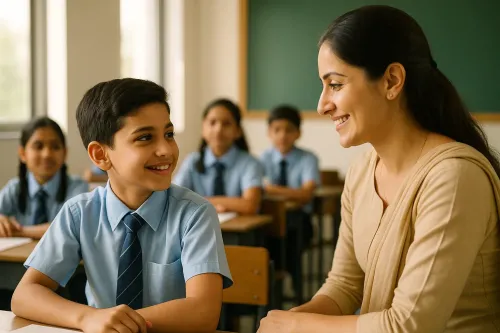

Table of Contents
- The Role of Eye Contact in Effective Communication
- What Is Eye Contact in Communication?
- What Is Eye Contact in Nonverbal Communication?
- Why Is Eye Contact Important in Communication?
- Eye Contact in Communication with Examples
- Eye Contact Psychology : What Happens in Our Brain?
- How Does Eye Contact Help Communication?
- Disadvantages of Eye Contact in Communication
- Importance of Eye Contact in Communication – In a Nutshell
- Importance of Eye Contact in Nursing
- Lack of Eye Contact in Communication
- The Role of Eye Contact in Listening
- The Importance of Eye Contact in Everyday Life
- Eye Contact Summary Table
- Fun Activities for Children
- Checkpoints for Parents and Teachers
- Tips to Improve Eye Contact
- Conclusion: Let Your Eyes Do the Talking
Have you ever talked to someone who wouldn’t look at you? It feels a little awkward, doesn’t it? That’s because eye contact isn’t just about seeing it’s about feeling seen. It shows confidence, attention, and genuine connection, turning ordinary talks into meaningful conversations.
At PlanetSpark, we help learner's to master this powerful skill through fun, interactive public speaking and communication classes. By learning how to use eye contact effectively, kids develop confidence, clarity, and presence skills that help them express themselves with impact, both on stage and in everyday life.
The Role of Eye Contact in Effective Communication
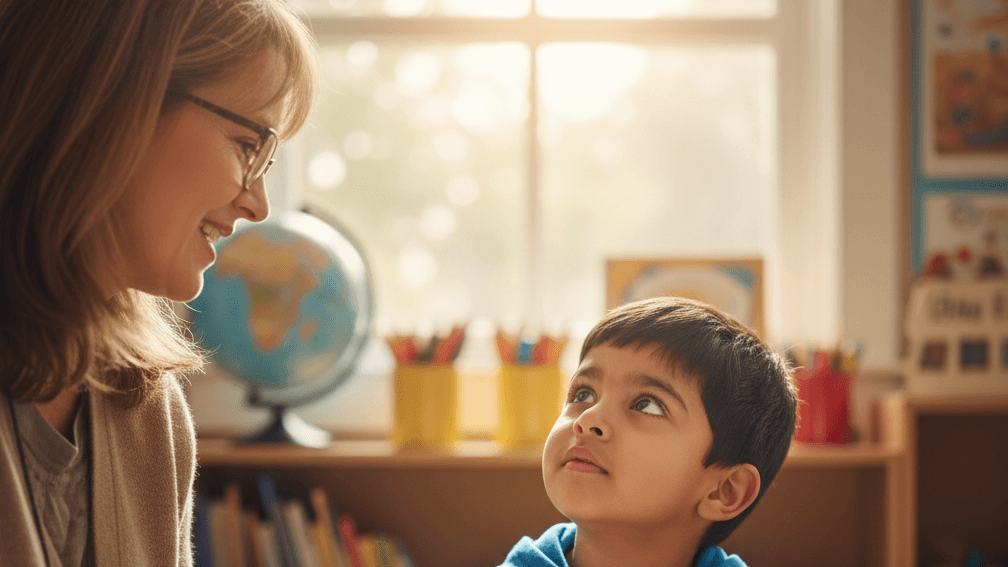
Eye contact is one of the most powerful forms of communication. It helps express confidence, build trust, and show genuine interest. Whether in school, at home, or during conversations, making eye contact helps people feel heard, understood, and connected.
For example, when a student looks at the teacher while answering, it shows confidence, and when a child maintains eye contact with parents while talking, it reflects honesty and respect.
What Is Eye Contact in Communication?
Eye contact means looking into another person’s eyes while speaking or listening. It’s a simple action but has a big effect. When you make eye contact, you show that you are present in the moment.
Imagine talking to a teacher while looking at the floor it might look like you’re not paying attention. But if you look at them with focus and respect, it sends a clear message: “I’m listening!”
| Situation | What Eye Contact Shows |
|---|---|
| Talking to a teacher | You are attentive and confident |
| Listening to a friend | You care about their story |
| Saying sorry | You are honest and mean it |
| Speaking in class | You are prepared and brave |
Eye contact builds a silent bridge between people. It makes conversations smoother, kinder, and more real.
Want your child to speak with confidence? — Join Planet Spark’s Communication Classes Today!
What Is Eye Contact in Nonverbal Communication?
Not all communication happens with words. Sometimes, your body speaks for you through facial expressions, posture, and gestures. This is called nonverbal communication.
Eye contact is one of the most powerful nonverbal tools. Without saying a word, your eyes can tell a full story.
For example:
A quick glance can show curiosity.
A steady gaze can show confidence.
Avoiding eye contact can show nervousness.
Fun Fact: Did you know that humans can recognize more than 20 different emotions just by looking at someone’s eyes?
That’s how expressive our eyes are they can say “thank you,” “I’m proud of you,” or even “I understand” without a sound.
Why Is Eye Contact Important in Communication?
Let’s understand why eye contact plays such a big role in how we connect and understand others.
1. Builds Confidence
When children speak while maintaining eye contact, they look sure of themselves. It’s a skill that helps in school presentations, competitions, and daily conversations.
2. Builds Trust and Friendship
Eye contact helps people feel safe and respected. When a child looks at their parent while speaking, it builds warmth and honesty.
3. Helps Us Understand Feelings
Words tell us what someone says. Eyes tell us how they feel. Eye contact helps decode emotions like happiness, sadness, anger, or fear.
4. Improves Focus and Listening
Looking at the speaker helps the brain concentrate. Children who maintain eye contact during lessons remember more and understand better.
5. Makes Communication Natural
A small smile and steady eye contact can make even a shy child look more approachable and kind.
Read More for Building Confidence & Communication Skills!
Eye Contact in Communication with Examples
| Example | Setting | What It Shows |
|---|---|---|
| A student looking at teacher while answering | Classroom | Confidence |
| A child making eye contact while apologizing | Home | Honesty |
| A nurse looking gently at a patient | Hospital | Care and empathy |
| A speaker looking at audience | Stage | Leadership and control |
| A player encouraging a teammate with a look | Playground | Team spirit |
Each of these examples shows how a small act of looking into someone’s eyes can change the way your message is received.
Eye Contact Psychology : What Happens in Our Brain?
Eye contact does something magical inside our brains. When we make eye contact, a part of our brain called the amygdala lights up it’s responsible for emotions and social connection.
What Happens When We Make Eye Contact?
The brain releases oxytocin, the “trust hormone.”
We feel more alert and focused.
Our attention moves to the person in front of us.
Our memory improves because we’re more engaged.
Fun Fact: Scientists say that eye contact between friends or family can make both people’s heartbeats sync up for a few moments!
This shows how deeply connected we can be just by looking into each other’s eyes.
How Does Eye Contact Help Communication?
Eye contact doesn’t just look good it improves how we think, talk, and listen.
While Speaking
Makes your message believable.
Helps you know if your listener understands you.
Makes you appear confident and polite.
While Listening
Shows that you care about what’s being said.
Helps you read feelings behind words.
Encourages the speaker to continue.
In short: Eye contact = Understanding + Respect.
Disadvantages of Eye Contact in Communication
Eye contact is important, but it must be used wisely. Too much or too little can cause confusion.
| Type | What Happens | Example |
|---|---|---|
| Too little | Looks shy or uninterested | Looking at the floor while talking |
| Too much | Feels rude or uncomfortable | Staring at someone for too long |
| Forced or fake | Breaks natural flow | Over-practiced speeches |
Tip for Students: Try looking at the listener’s forehead or between the eyes — it feels natural and friendly without making them uncomfortable: Book your Classes
Importance of Eye Contact in Communication – In a Nutshell
| Purpose | Benefit |
|---|---|
| Builds confidence | Makes speaking easier |
| Builds trust | Creates strong relationships |
| Improves listening | Helps learning and memory |
| Expresses feelings | Shows empathy and understanding |
Good eye contact can turn an ordinary talk into a meaningful moment.
Importance of Eye Contact in Nursing
Nurses use eye contact to comfort, guide, and support patients. Even a short, caring look can reduce fear and pain.
When patients can’t talk much, a nurse’s eyes can say, “I care about you. You are safe.”
That’s why eye contact is not just for friends or teachers it’s a life skill that spreads kindness everywhere.
Lack of Eye Contact in Communication
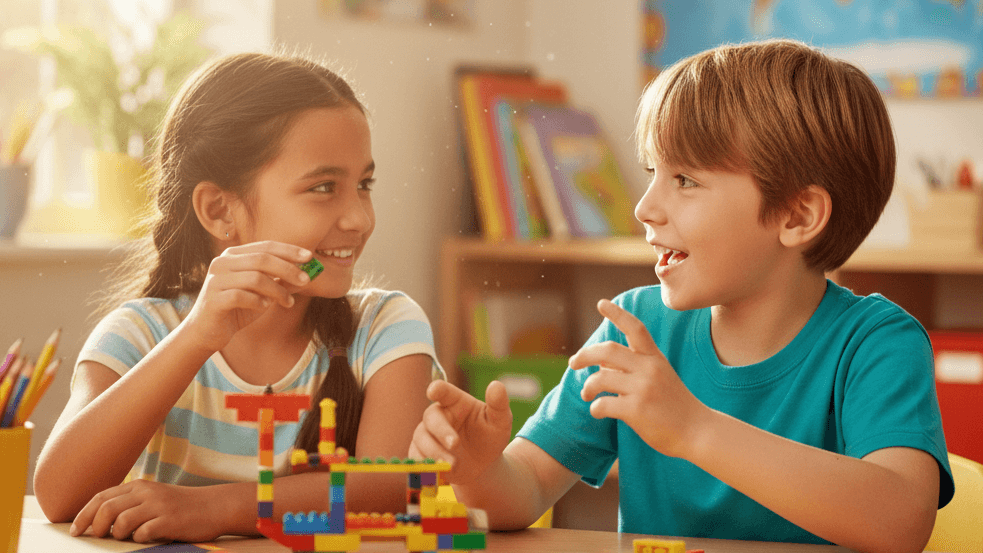
Sometimes people struggle with eye contact. It doesn’t always mean they’re rude it might mean they feel shy, anxious, or nervous.
Common Reasons for Avoiding Eye Contact
Fear of making mistakes
Lack of confidence
Cultural habits
Social anxiety
How to Improve Slowly
Start with short 2-second glances.
Practice mirror speaking daily.
Play eye-contact games at home.
Fun Practice: Ask your parent a question and look into their eyes until they finish answering. Notice how much better the conversation feels!
The Role of Eye Contact in Listening
Listening is more than just hearing words. It’s about understanding the meaning behind them.
When you make eye contact while listening, it shows:
You respect the speaker.
You are interested.
You understand emotions better.
Good listeners don’t just ignored they look, connect, and respond.
Remember: When you listen with your eyes, not just your ears, you truly understand.
Turn shy moments into shining ones! Explore Planet Spark’s Public Speaking Program.
The Importance of Eye Contact in Everyday Life
From schools to playgrounds, and from home to hospitals eye contact is everywhere!
At home: Shows love and respect to parents.
In school: Helps teachers know who’s paying attention.
With friends: Builds strong friendships.
In online classes: Keeps the communication real and lively.
Eye contact turns everyday conversations into learning experiences.
Eye Contact Summary Table
| Type of Communication | How Eye Contact Helps |
|---|---|
| Verbal | Adds confidence and strength |
| Nonverbal | Shows emotion and empathy |
| Listening | Builds trust |
| Leadership | Inspires and motivates others |
Parents can print this summary for children to remember the “eye contact rules” before school or presentation day!
Fun Activities for Children
Activity 1: The Eye Contact Challenge
Sit across from your parent or friend. Make eye contact and see who laughs first! It teaches self-control and awareness.
Activity 2: Emotion Guessing Game
Take turns showing emotions using only eyes happy, sad, angry, excited and guess what they mean.
Activity 3: Speak & See
Tell a short story while keeping eye contact with your family. They will feel more connected to your story!
Activity 4: Mirror Practice
Look in the mirror and practice speaking your name, introducing yourself, or reciting a poem. It builds confidence step by step.
Checkpoints for Parents and Teachers
| Checkpoint | Question to Ask |
|---|---|
| Confidence | Does your child make eye contact while talking? |
| Listening | Do they look at the person speaking? |
| Practice | Do you include speaking or drama games at home? |
| Empathy | Can your child understand others’ feelings through eye contact? |
Encourage gentle, positive feedback children improve faster when they feel safe and supported.
Tips to Improve Eye Contact
Don’t force it keep it natural.
Combine with smiling and nodding.
Look away occasionally to avoid staring.
Practice during small conversations daily.
Watch confident speakers and learn their body language.
Use “eye triangles” shift your gaze between eyes and mouth for natural flow.
Confidence grows one look at a time. Start small with every “hello.”
Strong eye contact starts here! Book a Free Trial Class Now.
Conclusion: Let Your Eyes Do the Talking
Eye contact is a small gesture that creates a big difference. It helps children express confidence, kindness, and understanding even without saying a word. When a child learns to hold eye contact, they learn to connect, listen, and speak from the heart.
For parents and teachers, guiding children to use eye contact is like giving them a superpower the ability to build trust, make friends, and share emotions clearly.
Remember: Your eyes are the window to your confidence. Look up, connect, and let your eyes speak louder than words!
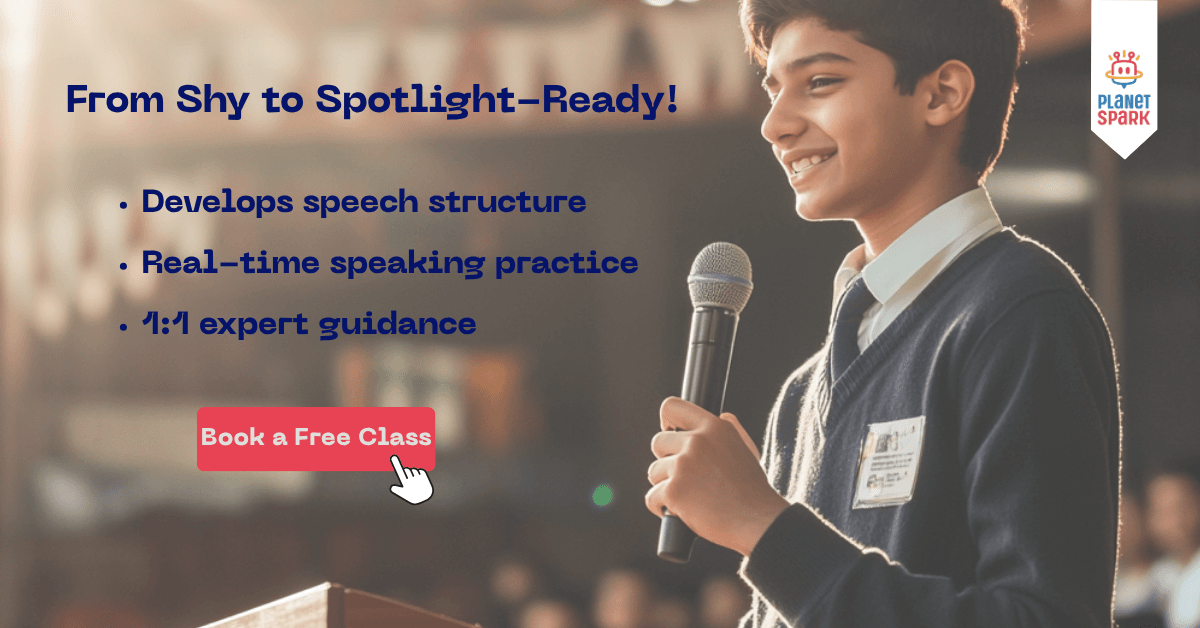
About PlanetSpark: The Role of Eye Contact in Effective Communication
At PlanetSpark, we help children master the art of public speaking by teaching how eye contact builds confidence, trust, and connection. Through fun 1:1 live classes, kids learn to express themselves clearly and captivate any audience on stage or in daily life.
1. 1:1 Expert Coaching
Certified public speaking trainers guide every child personally teaching how to use eye contact, body language, and tone to speak with confidence and ease.
2. Personalized Confidence Path
A tailored learning plan strengthens voice clarity, expression, and stage presence helping kids engage their audience through natural, steady eye contact.
3. Smart AI Feedback
Our AI tool, SparkX, gives instant feedback on tone, eye focus, and expressions helping learners improve their delivery with measurable results.
4. Fun Speaking Practice
Interactive games and speaking challenges like Eye Contact Quest make practice exciting turning nervous glances into confident eye contact.
5. Confidence That Connects
Through real-life speaking drills, storytelling, and debates, kids learn to express themselves boldly building lifelong confidence to connect with anyone, anywhere.
Frequently Asked Questions
Eye contact means looking into someone’s eyes while you talk or listen it shows respect and confidence.
It helps people trust you, pay attention, and understand emotions.
By practicing mirror speaking or group games like the Eye Contact Challenge.
It may make others think you’re shy or not interested.
Yes! In some countries, too much eye contact is seen as rude.