
What Is Glossophobia and How Students Can Overcome It
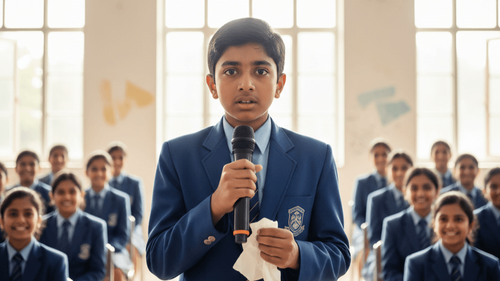

What is glossophobia? It is a common question among parents and educators trying to understand why children fear public speaking. Glossophobia refers to the fear of speaking in front of an audience, whether in a classroom, on stage, or in social settings. Many students experience this fear without knowing why, and it often affects their confidence and performance. This blog explains what glossophobia means, why it happens, and how children can overcome it through simple, practical steps.
PlanetSpark helps young speakers build confidence, reduce stage fear, and develop clear, expressive communication through structured public speaking training.
What Does Glossophobia Mean?
Glossophobia is the fear of public speaking. It occurs when a student feels anxious or overwhelmed at the thought of speaking in front of others. This fear can appear even in small situations such as answering a question, giving a short presentation, or reading aloud.
Common Signs of Glossophobia
• Shaky voice or fast breathing
• Difficulty organizing thoughts
• Sweaty palms or nervous fidgeting
• Avoiding opportunities to speak
• Overthinking simple responses
Glossophobia is more common than many people realize, and with the right support, children can overcome it.

Why Glossophobia Happens in Students
Glossophobia usually develops from emotional experiences, lack of exposure, or pressure to perform. Many children do not fear public speaking because they lack ability; they fear it because the environment feels high-stakes or unfamiliar. When students understand why this fear appears, it becomes easier to manage. Identifying the root cause helps them build confidence step by step rather than trying to fight the fear all at once.
Fear of Judgment
Many children worry about making mistakes or being judged by classmates or adults. This fear creates pressure and lowers confidence because the child focuses more on how they might appear than on what they want to say. When the possibility of being judged feels bigger than the message itself, speaking becomes stressful. This often leads to hesitation, avoidance, or rushed delivery. Helping children shift attention from the audience’s opinion to their own ideas reduces this pressure significantly and allows them to speak more freely.
Lack of Practice
Students who do not get regular speaking opportunities often feel unprepared when asked to speak, making the experience more intimidating. Like any other skill, speaking improves with repetition. When children rarely practice, they feel unsure about structure, tone, and delivery. This unfamiliarity creates anxiety even for simple tasks such as reading aloud or answering questions. With consistent, low-pressure practice, speaking becomes familiar instead of frightening, reducing glossophobia over time.
Low Self-Confidence
Children who doubt their abilities may feel nervous even before speaking. This self-doubt magnifies their fear, often leading them to underestimate their skills or assume they will fail. When a child believes that they are not good at speaking, their body responds with tension, a faster heartbeat, and negative thoughts. Gradual confidence-building activities, positive reinforcement, and successful small experiences help children rebuild trust in their abilities and approach speaking situations with more calmness.
Overemphasis on Perfection
Trying to speak perfectly can increase anxiety. When children worry too much about mistakes, glossophobia becomes stronger. Perfection-focused thinking makes them believe that any error will ruin their performance, which increases pressure and reduces spontaneity. This leads to rigid delivery, long pauses, or even refusal to speak. Teaching children that mistakes are natural, expected, and part of learning helps them speak with more comfort and authenticity.
Book a free demo class with PlanetSpark and watch your child speak boldly and clearly.
How Glossophobia Impacts Communication
Glossophobia affects more than stage performance. It influences daily interactions, classroom participation, and overall academic confidence. When fear becomes a barrier, children begin holding back ideas, avoiding opportunities, and disengaging from activities where speaking is required. This impact is gradual and often unnoticed at first, but over time it shapes how students participate, learn, and express themselves in school and social settings.
Reduced Class Participation
Children may avoid raising their hand, sharing ideas or answering questions because they fear being judged or getting something wrong. This hesitation makes them appear disengaged even when they understand the topic. Over time, students who avoid participation miss chances to practice speaking naturally, which reinforces their fear and creates a cycle of silence. Regular participation becomes harder, and the child may withdraw more during discussions or group work.
Difficulty Expressing Ideas
Fear disrupts clear thinking, making it harder to speak with structure and clarity. When a child feels anxious, their mind often races or goes blank, which affects how well they can organize sentences or explain their thoughts. Even simple ideas feel difficult to express. This can lead to frustration, reduced motivation, and a belief that they are not good at speaking, even though the real issue is fear, not ability.
Lower Academic Performance
Oral exams, presentations, and group tasks become challenging, affecting scores and confidence. Many academic activities require students to explain concepts out loud, present assignments, or collaborate verbally with peers. Glossophobia limits their ability to perform comfortably in these situations. As a result, otherwise capable students may receive lower grades simply because speaking tasks trigger anxiety. This affects their academic identity and long-term confidence.
Increased Social Anxiety
Children may avoid group discussions or leadership roles because they fear being in the spotlight. Glossophobia makes social interactions feel risky, so students may stay quiet in group settings or choose not to participate in activities where they need to speak. This reduces opportunities for leadership, teamwork, and peer bonding. Over time, the child may believe they are not suited for speaking roles or confident interactions, which can affect their social growth.

Techniques to Overcome Glossophobia
Students can overcome glossophobia with simple, practical methods that reduce fear and build confidence over time. The goal is not to eliminate nervousness completely but to help children manage it and respond with clarity instead of freezing. When students practice regularly in supportive settings, they gradually learn to trust their voice, speak with more ease and handle public situations without feeling overwhelmed.
Start with Small Speaking Moments
Short introductions, daily sharing or one-line responses help students practice in low-pressure situations. These moments allow children to speak without the fear of being judged or evaluated. As they become more comfortable expressing small thoughts out loud, they develop the confidence needed for longer or more formal speaking tasks. Consistent small wins create a foundation for larger improvements.
Use Breathing and Pausing Techniques
Slow breathing reduces anxiety and helps children think clearly before speaking. Deep breaths calm the nervous system and give students a stable starting point. Adding brief pauses during speech also helps them maintain control of their pace and avoid rushing due to nervousness. These pauses create space for clear thinking and help children sound more composed and confident.
Practice with Familiar Topics
Speaking about things they enjoy or understand helps students feel more confident while learning structure. Familiar topics remove the pressure of finding the right answers and allow children to focus on delivery. As they get comfortable speaking on things they already know, they can slowly progress to more abstract or unfamiliar prompts while maintaining steady confidence.
Build Positive Mental Framing
Reminding children that mistakes are normal helps reduce pressure and fear of judgment. When students understand that even skilled speakers pause, adjust or miss a word occasionally, they stop treating mistakes as failures. Positive reframing helps shift the mindset from “What if I mess up?” to “I can handle this,” making the speaking experience less stressful and more empowering.
Join now with PlanetSpark to help your child shine on stage with real public speaking confidence.
Exercises to Reduce Speaking Fear
Practical exercises help children move from fear to confidence through consistent practice. These activities make speaking feel less intimidating by allowing students to improve gradually. When children practice in structured yet low-pressure environments, their fear becomes manageable and their comfort level increases. Over time, these exercises help them transition from anxious speakers to confident communicators.
One-Minute Confidence Talks
Students speak for one minute about simple topics to practice flow and reduce hesitation. These short bursts of speaking help them develop clarity, pace and structure without the pressure of delivering a long speech. Because the topics are easy and the time is limited, children learn to express ideas quickly and decide on a direction without overthinking. Regular practice builds confidence and teaches them that they can speak clearly even with little preparation.
Mirror Speaking
Speaking in front of a mirror helps students see their expressions and build comfort with eye contact. This exercise encourages them to become more aware of their facial expressions, posture and overall presence. Mirror speaking reduces self-consciousness because students learn to recognize and adjust their appearance in real time. As they see themselves looking confident, they begin to feel more confident internally as well.
Recorded Practice Sessions
Listening to their own voice helps children identify strengths and areas to improve without feeling overwhelmed. Recording creates a safe way to evaluate tone, clarity, pacing and expressiveness. Students often do not realize their habits while speaking in the moment, but recordings give them a clear view of their progress. Reviewing their speech helps them celebrate improvements while focusing on specific adjustments to make next time.
Step-by-Step Exposure Practice
Gradually increasing audience size, from one listener to a group, helps children overcome fear steadily. Starting with a parent, then a friend, then a small group allows students to gain confidence through manageable challenges. Each level builds resilience and comfort. This structured exposure reduces the shock of speaking in front of a bigger audience and trains children to handle stage situations with composure. Over time, small successes accumulate into strong speaking confidence.
How Parents and Teachers Can Support Children
A supportive environment makes a huge difference in helping students overcome glossophobia. Children learn to manage speaking fear when they feel safe, understood and encouraged. When adults create a space where mistakes are treated as part of the learning process and expression is valued over perfection, children become more willing to speak. This emotional safety helps them shift from avoidance to active participation, allowing their confidence to grow gradually and naturally.
Encourage Open Communication
Asking children to share simple thoughts encourages natural speaking without pressure. Open-ended prompts like what was your favourite part of the day or what do you think about this situation push children to express themselves in full sentences rather than short replies. These everyday conversations build comfort with speaking and help students practice forming ideas in real time. Over time, children start speaking more confidently because communication becomes a natural habit rather than a high-stakes task.
Give Calm, Helpful Feedback
Positive reinforcement with one small improvement at a time builds confidence without overwhelming the child. Feedback should highlight what they did well, such as clear voice or steady pace, followed by a simple suggestion they can apply next time. This approach prevents children from feeling criticized or judged. When feedback feels calm and supportive, students become more open to practicing, experimenting and improving without fear of making mistakes.
Create Frequent Speaking Opportunities
Activities such as storytelling, class discussions and role-play routines help children practice regularly in a safe setting. Frequent small speaking moments allow students to face their fear in manageable steps. Storytelling builds expression, class discussions build confidence in sharing ideas and role-plays help children adjust tone and presence based on context. These repeated opportunities slowly reduce fear and build strong speaking habits. With enough practice, speaking becomes familiar instead of frightening.
About PlanetSpark
PlanetSpark builds real stage confidence through live, expert-led public speaking training. Children learn articulation, structured speech, storytelling and delivery through personalized coaching. The program helps young learners become confident, clear and expressive speakers for any stage.
1:1 Public Speaking Coaching by Communication Experts
Each child works individually with certified trainers who understand learning styles and provide customized feedback.
Step-by-Step Skill Building
Students learn body language, voice modulation, persuasive techniques, speech structuring, storytelling frameworks, extempore practice and debating.
TED-Style Training Modules
Children learn the hook, message, story and call to action format used by TEDx speakers to deliver memorable speeches.
Real-Time Practice with Global Peers
Learners participate in debates, discussions and storytelling circles with students from multiple countries.
Public Speaking League and Competitions
Frequent events and a national-level Public Speaking League give children regular opportunities to perform and grow.
Final Thoughts
Glossophobia may feel overwhelming for students, but it is completely manageable with the right approach. Children often believe that fear of speaking is a personal flaw, when in reality it is a learned response that can be unlearned with steady, supportive practice. When students learn simple techniques, practice regularly and receive guidance that builds confidence rather than pressure, their fear of speaking gradually decreases. They begin to realize that they can control their breathing, organize their thoughts and use their voice effectively even when nervous.
As students gain experience through small, low-pressure speaking opportunities, their self-belief grows. Each successful attempt, no matter how small, reduces the emotional weight of speaking in front of others. Over time, these small steps accumulate and help children stay calm, focused and composed during longer speeches or presentations. They learn to see public speaking not as a threat, but as an achievable skill they can improve.
With consistent exposure and structured training, children learn how to manage nervous energy, use positive framing and rely on techniques that support clarity and fluency. This transforms stage fear into strong communication habits that become valuable throughout life. Improved speaking confidence enhances classroom participation, strengthens academic performance and encourages leadership in group settings. As students develop these abilities, they carry them into social interactions, future careers and personal growth.
Eventually, children who once feared speaking discover that they can share ideas confidently, connect with others through expression and communicate with clarity in any situation. Managing glossophobia becomes not just a skill, but a foundation for lifelong confidence and effective communication.
Enroll now at PlanetSpark and build strong stage presence, articulation, and courage.
Frequently Asked Questions
Glossophobia is the fear of speaking in front of an audience. Students experiencing it may feel nervous, anxious, or hesitant when asked to speak. It affects classroom participation and can make even simple speaking tasks feel challenging. With guidance and practice, this fear can be reduced significantly.
Students develop glossophobia due to fear of judgment, lack of practice, low confidence, or pressure to perform perfectly. These factors make speaking feel risky rather than natural. Early experiences of embarrassment or overthinking can reinforce the fear. Recognizing the cause helps children overcome it more effectively.
Common signs include shaky voice, fast breathing, sweating, avoidance of speaking tasks, and difficulty organizing thoughts. Children may also freeze, rush, or speak very softly. These signs appear because stress affects both thinking and the body. Identifying them early helps adults support the child better.
Glossophobia reduces participation, affects clarity during presentations, and creates hesitation in group tasks. Students may avoid answering questions even when they know the answer. This impacts grades, confidence, and communication growth. Over time, the fear can limit leadership and involvement in school activities.
Students can overcome glossophobia through small speaking tasks, breathing techniques, familiar topics, positive reframing, and gradual exposure. Consistent practice helps reduce anxiety and build confidence. Supportive feedback and low-pressure environments also make students more comfortable speaking.
Parents and teachers can encourage open communication, offer calm feedback, and create frequent speaking opportunities. Activities like storytelling, class discussions, and role-play help children practice safely. A supportive environment reassures the child that mistakes are normal, and confidence grows over time.