
What Is a Panel Discussion? Meaning, Format & Key Features
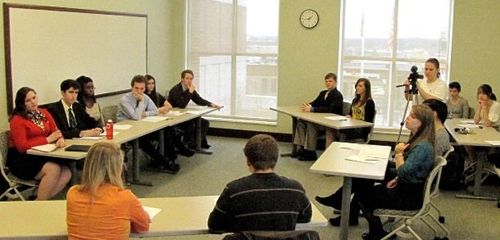

Table of Contents
- What Is Panel Discussion?
- Panel Discussion Meaning
- Key Features of a Panel Discussion
- Common Panel Discussion Formats
- Benefits of Panel Discussions
- How to Moderate a Panel Discussion
- Skills Required to Participate in Panel Discussions
- The Role of Communication Skills in Panel Discussions
- Tips for Panelists
- Common Mistakes in Panel Discussions
- The Growing Popularity of Panel Discussions
- How PlanetSpark Helps Build Communication Skills for Panel D
- Speak Up, Stand Out: Mastering the Art of Panel Discussions
What if your child could confidently step into a room full of ideas, share opinions without hesitation, and engage in thoughtful conversations with others? In today’s communication-driven world, the ability to speak clearly and think critically is a superpower. One powerful way these skills come to life is through panel discussions, where experts exchange ideas, challenge perspectives, and spark meaningful dialogue in front of an audience. But what is panel discussion, and why is it such a popular format in schools, conferences, and professional events? In this guide, we’ll explore the panel discussion meaning, its format, key features, and tips on how to moderate a panel discussion, while also seeing how PlanetSpark helps learners build the confidence to participate in such impactful discussions.
What Is Panel Discussion?
A panel discussion is a structured conversation in which a small group of experts discusses a specific topic in front of an audience. The discussion is guided by a moderator who manages the flow of conversation, asks questions, and ensures each panelist has an opportunity to share their viewpoints.
In simple terms, if you're wondering what is panel discussion, it is a format where multiple speakers come together to discuss a topic while sharing their expertise and interacting with one another.
Panel discussions are commonly used in:
- Academic conferences
- Business seminars
- Corporate events
- Educational workshops
- Television talk shows
- Webinars and online conferences
Unlike traditional lectures where one person speaks at length, panel discussions involve several experts, making the conversation more dynamic and engaging.
Panel Discussion Meaning
To better understand the panel discussion meaning, it is helpful to break down the concept. A panel refers to a group of individuals chosen for their knowledge or expertise in a particular subject. A discussion refers to the exchange of ideas, opinions, and perspectives on that subject. Therefore, the panel discussion meaning can be defined as:
A structured conversation where multiple experts share their insights and viewpoints about a topic in front of an audience, guided by a moderator.
This format encourages participants to analyze ideas, debate viewpoints, and build upon each other's opinions. As a result, audiences gain a more comprehensive understanding of the topic being discussed.
Key Features of a Panel Discussion
Understanding the key features helps clarify what is panel discussion and how it works in practice.
1. A Group of Experts
Panel discussions typically involve three to five experts who have knowledge or experience related to the topic being discussed. These experts may include:
- Industry professionals
- Academics and researchers
- Entrepreneurs
- Policy makers
- Educators
Each panelist contributes unique insights, making the discussion richer and more informative.
2. A Moderator
A moderator is responsible for guiding the conversation. The moderator introduces the topic, asks questions, encourages balanced participation, and keeps the discussion on track.
Learning how to moderate a panel discussion is important because the moderator plays a crucial role in ensuring the conversation remains engaging and productive.
3. Clear Topic or Theme
Every panel discussion focuses on a specific topic or theme. Examples include:
- The future of artificial intelligence
- Digital transformation in businesses
- Education in the digital age
- Climate change and sustainability
Having a clear topic ensures that the discussion remains focused and relevant.
Help your child become a confident speaker—explore PlanetSpark public speaking programs today!
4. Interactive Conversation
One of the defining characteristics of panel discussions is interaction. Panelists respond to each other's ideas, share experiences, and sometimes challenge viewpoints.
This interaction makes the conversation more dynamic and informative compared to traditional presentations.
5. Audience Participation
Many panel discussions allow the audience to ask questions or share opinions during a dedicated Q&A session. This interaction makes the discussion more engaging and gives the audience a chance to clarify doubts.
Common Panel Discussion Formats
Panel discussions can take different formats depending on the event and audience.
Traditional Panel Format
This is the most common structure used in conferences and seminars. It usually follows this format:
- Introduction by the moderator
- Introduction of panelists
- Guided discussion with questions
- Interaction among panelists
- Audience Q&A
- Closing remarks
Question-and-Answer Format
In this format, the moderator asks questions and panelists respond individually. This format works well for expert interviews and educational sessions.
Debate-Style Panel
In debate-style panels, participants present opposing viewpoints on a topic. This format encourages critical thinking and deeper analysis.
Audience-Led Panel
In this format, most of the questions come from the audience. The moderator simply facilitates the conversation.
Benefits of Panel Discussions
Panel discussions offer several advantages for both participants and audiences.
Diverse Perspectives
Since multiple experts participate, panel discussions provide a variety of viewpoints. This helps audiences gain a well-rounded understanding of complex topics.
Engaging and Dynamic
Compared to lectures, panel discussions are more interactive. Multiple voices and opinions keep the conversation lively and interesting.
Knowledge Sharing
Experts share experiences, insights, and practical examples that can help audiences learn and apply knowledge in real-life situations.
Networking Opportunities
Panel discussions often bring together professionals, students, and experts from different fields. These interactions can lead to valuable networking opportunities.
How to Moderate a Panel Discussion
A successful panel discussion depends heavily on the moderator. Understanding how to moderate a panel discussion can ensure the event runs smoothly and keeps the audience engaged.
Prepare in Advance
Moderators should research the topic and learn about the panelists' backgrounds. Preparing thoughtful questions in advance helps guide meaningful discussions.
Introduce Panelists Clearly
Start by introducing the panelists and highlighting their expertise. This helps the audience understand why each participant’s perspective is valuable.
Ask Open-Ended Questions
Good panel discussions rely on questions that encourage detailed responses. Open-ended questions promote deeper conversations rather than simple yes-or-no answers.
Manage Time Effectively
Moderators should ensure that each panelist has enough time to speak while keeping the discussion within the allocated time.
Encourage Balanced Participation
Sometimes one speaker may dominate the discussion. A skilled moderator ensures every panelist has an opportunity to contribute.
Engage the Audience
Allowing time for audience questions increases engagement and provides additional insights into the topic.
Skills Required to Participate in Panel Discussions
Participating in a panel discussion requires several important skills.
These include:
- Public speaking
- Clear communication
- Critical thinking
- Active listening
- Confidence
Panelists must be able to express their ideas clearly while also responding thoughtfully to other viewpoints.
Developing these skills early in life can significantly improve a person's ability to participate in discussions, debates, and professional events.
The Role of Communication Skills in Panel Discussions
Strong communication skills are essential for effective panel discussions. Participants need to articulate their ideas clearly, present arguments logically, and respond confidently to questions.
These skills are particularly important for students and young learners who aspire to become future leaders, entrepreneurs, or professionals.
However, communication and public speaking skills are not always taught in traditional classrooms. This is why specialized programs and platforms that focus on communication training are becoming increasingly important.
Tips for Panelists
If you are invited to participate in a panel discussion, the following tips can help you perform effectively.
Prepare Your Key Points
Think about the ideas you want to share and how they relate to the discussion topic.
Keep Your Answers Concise
Avoid lengthy explanations. Clear and concise answers are more impactful.
Listen to Other Panelists
A good panel discussion is a conversation. Listening to others helps you respond thoughtfully and build on their ideas.
Share Practical Examples
Real-world examples make your points more relatable and engaging for the audience.
Common Mistakes in Panel Discussions
Even experienced speakers sometimes make mistakes during panel discussions. Some common issues include:
- Lack of preparation
- Speaking too long
- Interrupting other panelists
- Going off-topic
- Poor moderation
Avoiding these mistakes ensures the discussion remains productive and engaging.
Want your child to speak with confidence in discussions and debates? Start their journey with PlanetSpark.
The Growing Popularity of Panel Discussions
Panel discussions are becoming increasingly popular due to the rise of conferences, webinars, and digital events. Online platforms now allow experts from different parts of the world to participate in discussions and share their knowledge with global audiences.
As communication becomes more important in professional environments, the ability to participate confidently in discussions will continue to be a valuable skill.
How PlanetSpark Helps Build Communication Skills for Panel Discussions
To participate confidently in panel discussions, students need more than just knowledge—they need strong public speaking and communication skills. This is where PlanetSpark stands out by offering specialized training designed to help children become confident speakers and articulate communicators.
PlanetSpark programs are designed to help students think clearly, express ideas effectively, and speak with confidence in front of an audience—skills that are essential for activities like panel discussions, debates, and presentations.
1. Personalized 1:1 Public Speaking Classes
PlanetSpark offers live 1:1 classes with expert trainers, allowing students to receive personalized feedback and guidance. This individualized approach helps learners improve their speaking style, clarity, and confidence at their own pace.
2. Structured Public Speaking Curriculum
The platform follows a well-designed curriculum that focuses on key public speaking elements such as:
- Speech delivery
- Voice modulation
- Idea organization
- Body language
- Audience engagement
These skills help students communicate ideas effectively in panel discussions and public forums.
3. Debate and Discussion Training
PlanetSpark encourages students to participate in debates, group discussions, and opinion-based speaking activities. This helps them learn how to present arguments, respond to different viewpoints, and confidently express their thoughts—an essential ability for panel discussions.
4. Stage Confidence and Presentation Skills
Many students struggle with stage fear. PlanetSpark focuses on confidence-building exercises and presentation practice, helping students overcome hesitation and speak comfortably in front of audiences.
5. Real-World Speaking Opportunities
Students regularly participate in interactive speaking activities, presentations, storytelling sessions, and discussion-based exercises. These activities simulate real-life speaking situations and help learners gain practical experience.
6. Building Future Leaders and Communicators
PlanetSpark goal is not just to teach speaking but to develop future-ready communicators and leaders. By strengthening public speaking and critical thinking skills, the platform prepares students to participate confidently in panel discussions, academic competitions, and professional conversations.
Building Confidence from an Early Age
Confidence is one of the most important qualities for successful communication. PlanetSpark programs help children overcome stage fear and develop the confidence needed to speak publicly.
This confidence enables students to participate actively in academic discussions, competitions, and future professional opportunities.

Speak Up, Stand Out: Mastering the Art of Panel Discussions
Understanding what is panel discussion helps us recognize the value of this powerful communication format. Panel discussions bring together experts who share insights, exchange ideas, and explore topics from different perspectives in front of an audience. By learning the panel discussion meaning, structure, and format, individuals can engage more effectively and gain valuable knowledge from these conversations. However, active participation requires strong communication and public speaking skills. Platforms like PlanetSpark help learners build these abilities through structured training, real speaking practice, and confidence-building activities. With the right guidance and preparation, anyone can participate confidently in panel discussions and contribute meaningful ideas to impactful conversations.
Frequently Asked Questions
A panel discussion is a structured conversation where a group of experts discuss a specific topic in front of an audience. A moderator guides the discussion, asks questions, and ensures each panelist shares their insights.
The panel discussion meaning refers to a moderated exchange of ideas where multiple speakers share perspectives on a topic, allowing audiences to gain deeper insights through expert opinions and dialogue.
To moderate a panel discussion effectively, prepare questions in advance, introduce panelists clearly, manage time, encourage balanced participation, and involve the audience through Q&A sessions.
PlanetSpark is an online learning platform that helps children build strong communication, public speaking, and creative writing skills through live interactive classes led by expert teachers.
PlanetSpark provides structured training, speaking exercises, debates, storytelling sessions, and presentations that help professionals overcome stage fear and develop confidence while speaking.
Students at PlanetSpark learn public speaking, storytelling, debate skills, persuasive communication, creative writing, and critical thinking, which help them express ideas clearly in discussions and presentations.
Yes, PlanetSpark helps children prepare for discussions and debates by teaching them how to organize ideas, present arguments confidently, and communicate effectively in interactive speaking activities.