
Assessing Career Paths for Future-Proof Growth in 2026
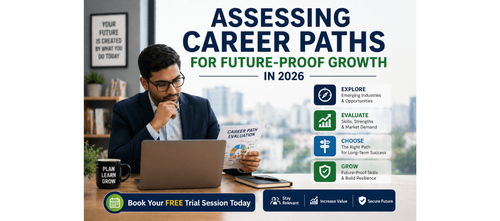

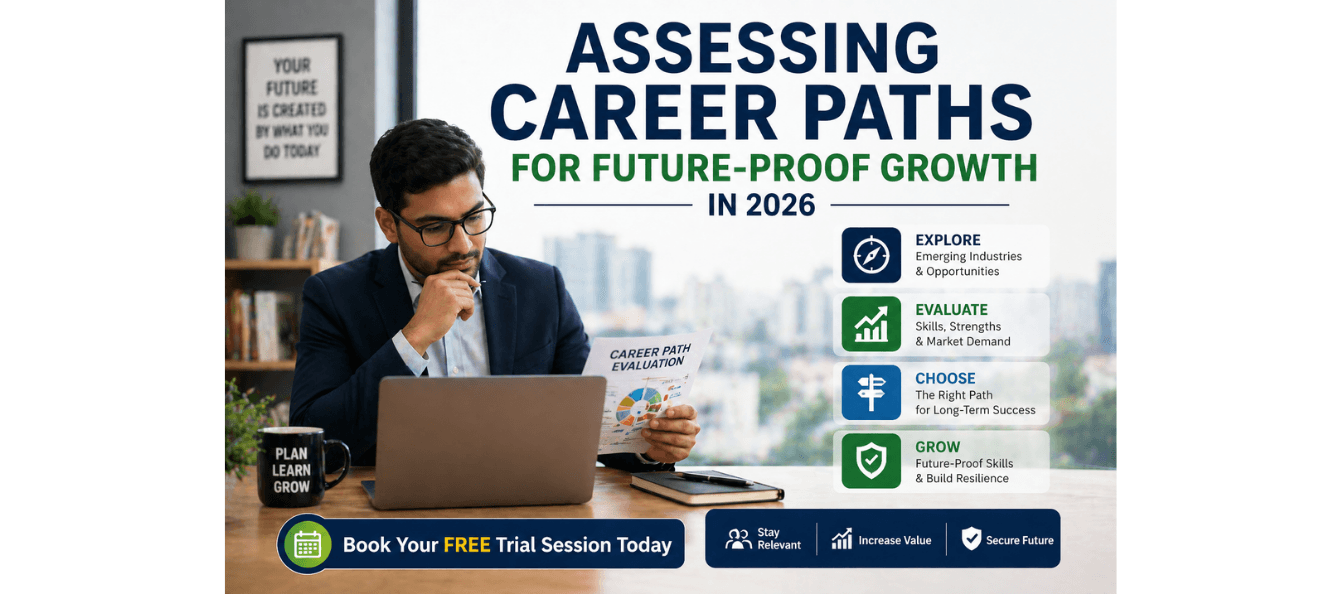
Evaluating Career Paths Through the Lens of Long-Term Optionality: A Practical Guide for Professionals
In today’s fast-paced job market, many professionals feel stuck or unsure about their next move. You might be wondering if your current career trajectory will still work for you in the years to come. Should you stay where you are, take a lateral step, or pivot to a completely different field? This uncertainty is common, but there’s a smarter way to think about career planning—one that prioritizes long-term flexibility over short-term wins. The solution lies in evaluating career paths based on long-term optionality, which means making choices today that keep doors open for tomorrow. This guide will show you how to make career decisions that provide you with the flexibility and opportunities you need, even as the professional landscape continues to shift.
Download these resources and apply them alongside your daily work for improved clarity, productivity, and professional growth. You can also book a free trial to gain expert guidance and enhance your communication, problem-solving, and decision-making skills. The materials are designed in a clear, structured format to help professionals learn efficiently and implement insights with confidence.
Who Is This Blog For?
This blog is tailored for professionals at various stages of their careers who are seeking long-term career growth and flexibility:
- Early to mid-career professionals looking to expand their career options
- Career switchers who want to make a strategic move with minimal risk
- Job seekers who need to assess the long-term viability of different roles
- Consultants and managers who want to maximize their career mobility and opportunities for leadership roles
Why This Topic Matters Today?
As industries and job markets evolve rapidly, it’s becoming increasingly important to adopt a flexible career mindset. Traditional career paths, where you stay in one industry or role for decades, are becoming less common. Professionals who fail to adapt may find themselves stuck in roles or sectors with limited future potential. Meanwhile, those who make strategic decisions based on long-term optionality can pivot, upskill, and build valuable networks, ensuring they remain competitive even in the face of disruptions like automation or economic downturns. In fact, research shows that professionals who prioritize career flexibility often achieve greater long-term success.
Core Concept
The main idea behind long-term optionality is to evaluate career paths based on factors that influence your future flexibility, not just your current satisfaction. A key part of this approach is the Optionality Scorecard, which helps you assess any career path—whether it's a new job, promotion, or lateral move—based on five dimensions:
1. Skill Transferability: Does this career path build skills that are valued across multiple industries or roles, or does it deepen expertise in a narrow field?
2. Network Reach: Will this path connect you with a broad and diverse professional network, or will it keep you in a limited network?
3. Sector Trajectory: Is the sector you’re moving into growing, stable, or declining? A high-growth sector provides opportunities, while a declining one may trap you in a dead-end role.
4. Role Visibility: Does this position give you visibility with key decision-makers and industry influencers? Roles that are highly visible can fast-track your career.
5. Exit Velocity: How easy would it be to move to a different role or industry in two to three years? High exit velocity means you can pivot smoothly if needed.
By evaluating career options against these criteria, you can make informed decisions that open up more doors in the future, rather than limiting your options.
How This Blog and Guidebook Help You?
This blog and its associated guidebook provide a structured approach to evaluating career paths based on long-term optionality. By understanding and applying the Optionality Scorecard, you can gain:
- Clarity on future career opportunities: The framework helps you see the potential outcomes of different paths, considering both immediate benefits and long-term flexibility.
- Improved decision-making: By using a systematic approach to assess career paths, you eliminate guesswork and make more strategic decisions.
- Enhanced career mobility: By focusing on skill development and network expansion, you ensure that you’re always positioned for new opportunities, regardless of external changes.
Step-by-Step Breakdown
The guidebook provides a detailed process to help you assess your career options. Here’s a step-by-step breakdown of the approach:
Step 1: Audit Where You Stand Today
Before making any career decisions, it’s crucial to understand your current situation. This involves conducting a self-audit of three key areas:
- Skill Portfoli What skills do you currently possess? Are they transferable across industries, or are they specialized?
- Professional Identity: How is your career perceived in the market? What roles and industries associate with your current background?
- Constraints: What personal or professional limitations (like financial, geographical, or family commitments) might affect your career options?
Step 2: Map the Career Path Landscape
Next, expand your career path options. Most people only consider a few obvious routes, but this exercise encourages you to think beyond those:
- Adjacent moves: Roles that are similar to your current job but in a different context.
- Vertical moves: Progressing deeper into your current industry or function.
- Pivot moves: Switching to a new domain that leverages your transferable skills.
- Transformational moves: Major shifts that require significant retraining or rebuilding your professional identity.
Step 3: Score Each Path Against the Optionality Framework
Now, use the Optionality Scorecard to evaluate each career path you’re considering. Rate each path on the five dimensions (skill transferability, network reach, sector trajectory, role visibility, and exit velocity) to identify trade-offs and potential risks.
Step 4: Stress-Test Each Path Against Future Scenarios
It’s important to assess whether your chosen career path will hold value over time. Imagine three potential scenarios:
- Optimistic: The sector grows, and the demand for your role increases.
- Neutral: The sector evolves steadily without major disruptions.
- Adverse: The sector faces challenges, such as automation or regulatory changes.
High-optionality paths will be valuable across all these scenarios, while low-optionality paths may only thrive in optimistic conditions.
Step 5: Identify Skill and Network Gaps
By this point, you should have a clear sense of where you stand and what paths look most promising. Now, identify any skill or network gaps that might prevent you from succeeding in your chosen path. Develop a plan to fill those gaps through learning, networking, or side projects.
Step 6: Build Your 12-Month Optionality Investment Plan
Finally, create a detailed, time-bound plan to invest in your career over the next 12 months. This plan should include:
- Your primary career path commitment
- A hedge investment to maintain optionality (e.g., learning a new skill or joining a different professional network)
- Specific milestones and check-ins to track progress
Common Mistakes
While the process of evaluating career paths based on long-term optionality is powerful, there are common mistakes to avoid:
- Confusing activity with investment: Busy work does not always lead to career growth. Make sure every action you take adds value to your future career options.
- Waiting for the perfect path: Perfection is an illusion. You don’t need all the answers before making a move—just informed momentum.
- Letting your network atrophy: A strong network is key to career flexibility. Make sure you nurture relationships consistently, rather than just when you need something.
- Over-indexing on salary: While compensation is important, it shouldn’t come at the cost of learning opportunities or career flexibility.
How Should You Use This Guidebook Effectively?
To get the most out of this guidebook, follow these practical steps:
- Invest time upfront: Complete each step thoroughly—especially the self-audit and career path mapping. This is where most people rush, but it’s essential for long-term success.
- Stay flexible: The world changes, and so will your career. Use the guidebook as a living document, revisiting it every six to twelve months.
- Be patient: Building career optionality takes time. Focus on continuous learning and expanding your network, and your efforts will pay off in the long run.
Key Takeaways
- Assess your career options using the Optionality Scorecard, considering skill transferability, network reach, sector trajectory, role visibility, and exit velocity.
- Map out diverse career paths, including adjacent, vertical, pivot, and transformational moves, to expand your options.
- Stress-test paths against future scenarios to ensure long-term value and flexibility.
- Fill skill and network gaps to make sure you’re well-positioned for success in your chosen path.
- Create a 12-month plan to invest in your career and track progress.
Your Next Step: Accelerate Your Career with PlanetSpark
Creating an impact-driven resume is not just about landing your next job—it’s about owning your professional story and presenting it with clarity, confidence, and credibility. When your resume clearly communicates value, results, and impact, opportunities follow naturally.
At PlanetSpark, we are committed to empowering working professionals with practical, outcome-focused resources that drive real career growth. From resume building and workplace communication to leadership presence and professional writing, our programs are designed to help you succeed in today’s fast-evolving job market.
Visit https://www.planetspark.in/resources to explore:
- Career and resume-building guides
- Workplace communication and professional writing resources
- Skill-development tools curated for working professionals
Want a deeper, hands-on experience?
You can also book a free trial session to learn more about PlanetSpark’s Working Professional Courses, designed to accelerate your career through personalised coaching, real-world practice, and expert guidance.
Your career deserves more than generic advice.
It deserves clarity, confidence, and measurable impact.
Personalized Communication Roadmaps
Record a video to get a AI generated personalized communication reports