
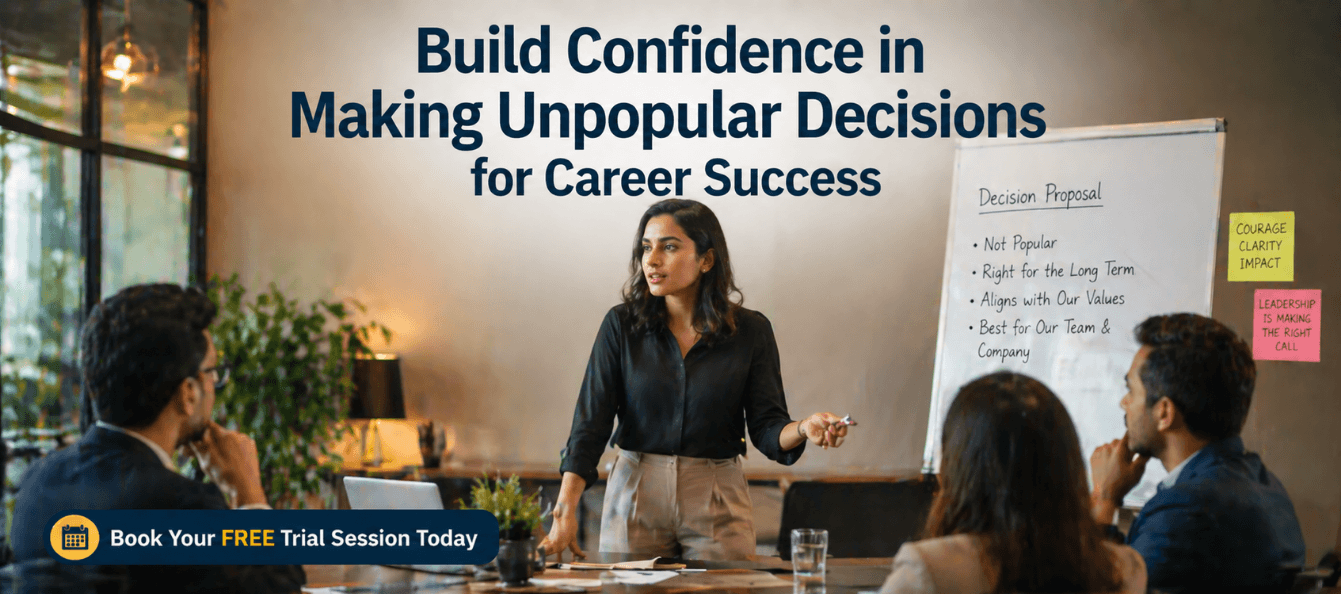
Build Confidence in Making Unpopular Decisions for Career Success
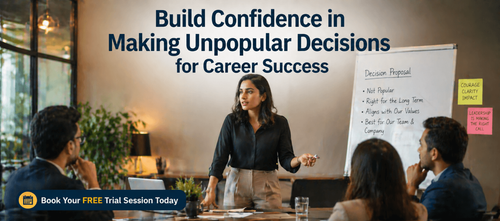

How to Approach Unpopular Decisions with Confidence: A Step-by-Step Guide for Professionals
In every professional’s career, there comes a moment when they need to make a decision that may not be popular, but is absolutely the right choice. It could be proposing a strategic shift, recommending a less popular candidate, or making an unpopular change that’s necessary for growth. While making such decisions is part of leadership, the fear of judgment, uncertainty, and social pressure can create significant barriers to acting with confidence.
Most professionals struggle when facing these situations. They second-guess themselves, hesitate to stand firm, or even abandon the decision altogether. The result? Missed opportunities, lack of leadership presence, and a failure to take decisive action when it matters most.
This is where the guide "How to Build Confidence in Making Unpopular Decisions" comes in. It’s a practical, actionable resource that helps you make difficult decisions with clarity, build your inner conviction, and communicate effectively—without compromising relationships or backtracking under pressure.
Download these resources and apply them alongside your daily work for improved clarity, productivity, and professional growth. You can also book a free trial to gain expert guidance and enhance your communication, problem-solving, and decision-making skills. The materials are designed in a clear, structured format to help professionals learn efficiently and implement insights with confidence.
Who Is This Blog For?
- Managers and leaders who often face pushback when making tough calls
- Consultants and professionals making high-stakes recommendations
- Career changers making bold decisions in unfamiliar roles
- Mid-career professionals working on leadership development
- Anyone who struggles with decision paralysis or second-guessing when faced with unpopular decisions
Why This Topic Matters Today?
In today’s fast-paced, results-driven work environments, the ability to make decisions confidently—even when they are unpopular—is crucial for career success. The pressure to conform or seek approval can result in delayed decisions or diluted outcomes, which ultimately impacts an individual’s leadership potential.
Professionals who hesitate or compromise due to fear of judgment risk undermining their own authority and credibility. With the increasing demand for leadership and initiative, developing the skill to make unpopular decisions decisively is more important than ever.
The ability to confidently navigate tough decisions leads to stronger leadership, greater trust from peers and subordinates, and ultimately, career growth.
Core Concept or Framework Explained
The framework provided in this guide focuses on helping professionals make unpopular decisions confidently. It outlines a series of steps that guide you through the decision-making process, how to anchor yourself to the right goals, and how to effectively communicate your choices to others.
Key components of the framework include:
1. The 4-Question Decision Audit: A pre-decision framework to ensure you’ve thought through the core goal, evidence, risks, and alternative options before moving forward. This self-audit helps clarify whether the decision is genuinely the best one, ensuring you are prepared to defend it.
2. Conviction Architecture: This involves developing an internal framework for decision-making that supports you through social pressure. It’s about anchoring yourself to the purpose of the decision, reflecting on past successes, and knowing your non-negotiables.
3. The LEAD Framework for Communication: This model helps you structure how you communicate tough decisions, starting with acknowledging the tension, establishing the goal, presenting evidence, and directing the dialogue to prevent it from derailing.
How This Blog and Guidebook Help You?
The guide is designed to equip you with everything you need to make difficult decisions with clarity and confidence:
- Clear Process for Decision-Making: The guide’s systematic approach helps you analyze decisions, identify potential risks, and gain clarity before acting.
- Inner Confidence Building: The Conviction Architecture helps you build and maintain confidence, no matter the external pressure.
- Effective Communication: Learn how to structure conversations around tough decisions so you can defend your stance without getting defensive, ensuring you gain respect even from dissenting voices.
- Post-Decision Assurance: The guide also addresses the emotional aftermath of difficult decisions, helping you manage doubt and maintain your decision without caving under social pressure.
Step-by-Step Breakdown
Step 1: Audit Your Decision Before You Defend It
Before you make any tough call, it’s essential to perform a self-audit. The 4-Question Decision Audit asks:
- What is the core goal of this decision?
- What evidence supports this?
- What are the risks if you are wrong?
- Have you stress-tested it with someone you trust?
This audit builds intellectual confidence and ensures you’re not acting on preference alone.
Step 2: Separate Popularity from Correctness
A major challenge in making tough decisions is differentiating between agreement and accuracy. In many instances, the best decisions are unpopular in the moment, but they serve long-term objectives. The guide teaches you to prioritize outcome over agreement, ensuring you’re focused on the goal rather than the comfort of consensus.
Step 3: Build Your Inner Conviction Architecture
Confidence in tough decisions comes from practice. This framework emphasizes structured thinking, focusing on:
- Anchoring to purpose: reminding yourself why the decision serves the greater goal.
- Pre-morteming your regret: considering the consequences of not holding firm.
- Referencing your track record: recalling past successful decisions despite resistance.
Step 4: Master the Communication of Difficult Decisions
Even the best decisions can fall flat if poorly communicated. The LEAD framework teaches you how to present your decision effectively by leading with the goal, presenting clear evidence, and fostering constructive dialogue. This communication strategy ensures your decision is understood, even by those who disagree.
Step 5: Navigate Pushback Without Caving or Combating
Pushback is inevitable. The guide offers a Principled Flexibility model, which helps you acknowledge objections without conceding. You’ll learn how to stay firm on your decision while remaining open to new evidence, which helps you stay aligned with the outcome without being defensive.
Step 6: Manage the Emotional Aftermath
Post-decision doubt is normal, but how you manage it is key. The guide provides a structured protocol to manage second-guessing, ensuring you don’t revert to old patterns under pressure. You’ll also learn how to protect relationships without compromising the integrity of your decision.
Common Mistakes or Pitfalls to Avoid
Professionals often undermine their decision-making confidence due to common mistakes, such as:
- Over-consulting before deciding, leading to paralysis by analysis.
- Announcing decisions before preparing the communication strategy.
- Apologizing for sound decisions, which signals a lack of conviction.
- Reopening the debate informally, which can confuse the team and undermine trust.
How Should You Use This Guidebook Effectively?
To get the most out of this guide, follow these steps:
- Time Commitment: Spend 30–60 minutes initially reading through the framework and completing the worksheets for each major decision.
- Workflow: Use the Decision Audit first to analyze your choice, then build your conviction and rehearse your communication. Finally, implement the strategies when facing actual decisions.
Key Takeaways
- Auditing your decision before defending it builds conviction.
- The LEAD framework ensures your communication is clear and impactful.
- Effective decision-making is about focusing on outcomes, not popularity.
- Learning to navigate pushback without compromising your stance is key to leadership.
- Post-decision, use a protocol to manage doubt and ensure long-term success.
Your Next Step: Accelerate Your Career with PlanetSpark
Creating an impact-driven resume is not just about landing your next job—it’s about owning your professional story and presenting it with clarity, confidence, and credibility. When your resume clearly communicates value, results, and impact, opportunities follow naturally.
At PlanetSpark, we are committed to empowering working professionals with practical, outcome-focused resources that drive real career growth. From resume building and workplace communication to leadership presence and professional writing, our programs are designed to help you succeed in today’s fast-evolving job market.
Visit https://www.planetspark.in/resources to explore:
- Career and resume-building guides
- Workplace communication and professional writing resources
- Skill-development tools curated for working professionals
Want a deeper, hands-on experience?
You can also book a free trial session to learn more about PlanetSpark’s Working Professional Courses, designed to accelerate your career through personalised coaching, real-world practice, and expert guidance.
Your career deserves more than generic advice.
It deserves clarity, confidence, and measurable impact.
Personalized Communication Roadmaps
Record a video to get a AI generated personalized communication reports