
Designing Your Personal Leadership Operating System as a Manager
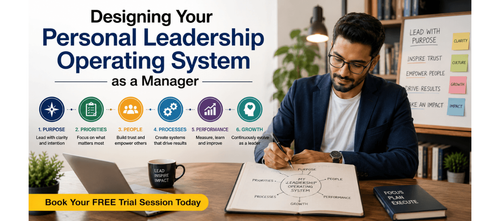

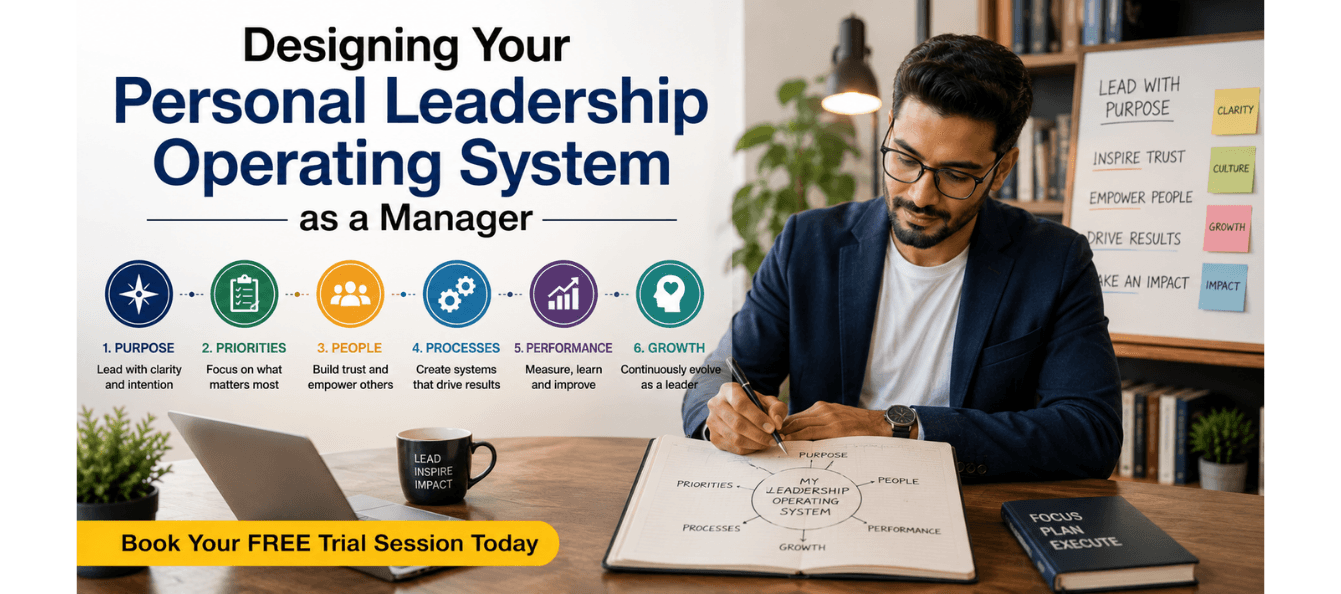
A New Manager’s Guide to Building a Personal Leadership Framework
Transitioning into a managerial role can be one of the most challenging yet rewarding steps in a professional's career. As a new manager, you're expected to lead teams, drive results, and make strategic decisions—often with limited experience or guidance. In fact, according to a 2021 Gallup report, 60% of new managers receive no management training, leaving many to figure out leadership on their own. This lack of preparation can lead to overwhelming stress, confusion about how to motivate teams, and the struggle to balance personal leadership styles with organizational demands.
The reality is, new managers often feel as though they are thrust into the deep end without a lifeline. Without a structured leadership approach, they risk burnout, disengaged teams, and poor decision-making. This is where creating a Personal Leadership Operating System (LOS) becomes crucial. A LOS helps new managers build a clear, customized framework for leadership that aligns with their values, team needs, and company goals. By designing an operating system that works for them, new managers can increase their confidence, lead with clarity, and ensure long-term success.
Download these resources and apply them alongside your daily work for improved clarity, productivity, and professional growth. You can also book a free trial to gain expert guidance and enhance your communication, problem-solving, and decision-making skills. The materials are designed in a clear, structured format to help professionals learn efficiently and implement insights with confidence.
Who Is This Blog For?
- New managers (0–3 years in a leadership role) looking to establish their leadership style
- Professionals transitioning into management for the first time
- Early-career professionals aiming to grow into management positions
- Mid-career professionals refining their leadership approach
- Managers wanting to build a clear leadership framework for their teams
Why This Topic Matters Today?
In today’s fast-paced business environment, the success of a team heavily depends on the leader’s ability to inspire, communicate, and make strategic decisions. However, many new managers feel unprepared for the complexities of leadership. A 2020 study revealed that 58% of managers felt they weren’t adequately trained for the responsibilities of their roles. A Personal Leadership Operating System (LOS) can help mitigate this issue by providing a structured framework to navigate leadership challenges.
The stakes are high—without a clear leadership strategy, managers risk burnout, team disengagement, and poor performance. On the flip side, a tailored LOS enhances leadership effectiveness, fosters team cohesion, and accelerates career growth.
Core Concept or Framework Explained
At the heart of this guide is the concept of designing a Personal Leadership Operating System (LOS). The LOS is a custom framework that helps new managers:
- Define their leadership vision and goals
- Identify and develop key leadership competencies
- Align their leadership approach with team dynamics and organizational needs - Set clear expectations for themselves and their teams
The LOS framework includes the following elements:
1. Leadership Vision: A personal roadmap for how you want to lead and inspire your team.
2. Leadership Competencies: Key skills such as communication, decision-making, conflict resolution, and delegation.
3. Team Alignment: Ensuring that your leadership approach matches your team’s needs and values.
4. Ongoing Reflection: A process for continual self-assessment and improvement as a leader.
How This Blog and Guidebook Help You?
This blog and the associated guidebook help new managers transform their leadership approach. By creating a Personal Leadership Operating System, new managers will:
- Build confidence in their leadership style
- Create a clear and actionable plan for team management
- Improve team engagement and productivity
- Avoid common leadership pitfalls
- Drive personal and professional growth through structured reflection
The guide offers practical tools, worksheets, and step-by-step instructions to help managers at every stage of their leadership journey.
Step-by-Step Breakdown
Step 1: Define Your Leadership Vision
To create a Personal Leadership Operating System, start by defining your leadership vision. This is the foundation of your operating system—it helps you articulate what kind of leader you want to be. Ask yourself:
- What values do I want to bring to my leadership?
- What kind of impact do I want to make on my team?
- What is the bigger picture of the organization I want to align with?
Step 2: Identify Key Leadership Competencies
Next, identify the leadership competencies you need to develop. Focus on areas like:
- Communication: Being able to communicate clearly and effectively with your team.
- Decision-Making: Developing the ability to make informed, timely decisions.
- Delegation: Learning to trust your team with responsibilities and empower them to succeed.
- Conflict Resolution: Handling disagreements within the team with tact and fairness.
Step 3: Align Your Leadership with Team Dynamics
Once you've defined your vision and competencies, align your leadership approach with your team’s dynamics. Understanding your team’s strengths, weaknesses, and values will help you lead in a way that resonates with them. Create regular feedback loops to understand their needs and concerns.
Step 4: Engage in Ongoing Reflection
Leadership is a continuous process of growth. Build in regular self-reflection to assess how well you are applying your LOS. Ask yourself questions such as:
- Are my leadership goals aligned with my team’s performance?
- Have I communicated my vision effectively?
- How can I improve in key leadership areas?
Step 5: Iterate and Adapt
As you gain experience, your leadership operating system will evolve. Continuously refine your approach to ensure it stays relevant and impactful.
Common Mistakes or Pitfalls to Avoid
While building your Personal Leadership Operating System, be mindful of these common mistakes:
- Overcomplicating the system: Keep your leadership approach simple and adaptable.
- Ignoring team feedback: Failing to consider your team’s input can lead to disengagement.
- Neglecting self-reflection: Without regular reflection, you risk stagnation and missed opportunities for growth.
- Micromanaging: Trust your team to execute their tasks and avoid taking over everything.
- Lack of consistency: Inconsistent leadership can create confusion and undermine team morale.
How Should You Use This Guidebook Effectively?
To get the most out of this guidebook, follow this simple approach:
- Invest time upfront: Spend 2-3 hours initially to define your leadership vision, competencies, and team alignment.
- Use the worksheets: These tools will help you clarify your ideas and make the framework actionable.
- Apply daily: Use your LOS in your day-to-day interactions with your team. Make it a habit to review and adapt your approach as necessary.
- Review regularly: Set aside time every 3-6 months to revisit your leadership system and make improvements.
Time investment:
- Initial setup: 2–3 hours
- Ongoing application: 15–30 minutes daily for reflection and team alignment
Key Takeaways
- Designing a Personal Leadership Operating System is essential for new managers to succeed
- Focus on defining your leadership vision and competencies
- Regular reflection and adaptation are key to long-term growth
- A clear LOS improves team alignment, engagement, and productivity
- Avoid common pitfalls such as overcomplication and micromanagement
Your Next Step: Accelerate Your Career with PlanetSpark
Creating an impact-driven resume is not just about landing your next job—it’s about owning your professional story and presenting it with clarity, confidence, and credibility. When your resume clearly communicates value, results, and impact, opportunities follow naturally.
At PlanetSpark, we are committed to empowering working professionals with practical, outcome-focused resources that drive real career growth. From resume building and workplace communication to leadership presence and professional writing, our programs are designed to help you succeed in today’s fast-evolving job market.
Visit https://www.planetspark.in/resources to explore:
- Career and resume-building guides
- Workplace communication and professional writing resources
- Skill-development tools curated for working professionals
Want a deeper, hands-on experience?
You can also book a free trial session to learn more about PlanetSpark’s Working Professional Courses, designed to accelerate your career through personalised coaching, real-world practice, and expert guidance.
Your career deserves more than generic advice.
It deserves clarity, confidence, and measurable impact.
Start building that advantage today—with PlanetSpark.
Personalized Communication Roadmaps
Record a video to get a AI generated personalized communication reports