
Habit Tracking System Guide for Working Professionals in 2026
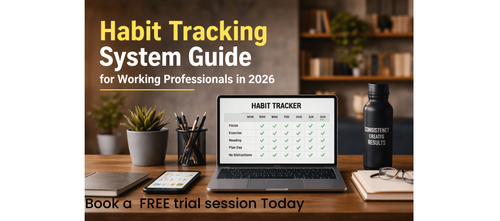

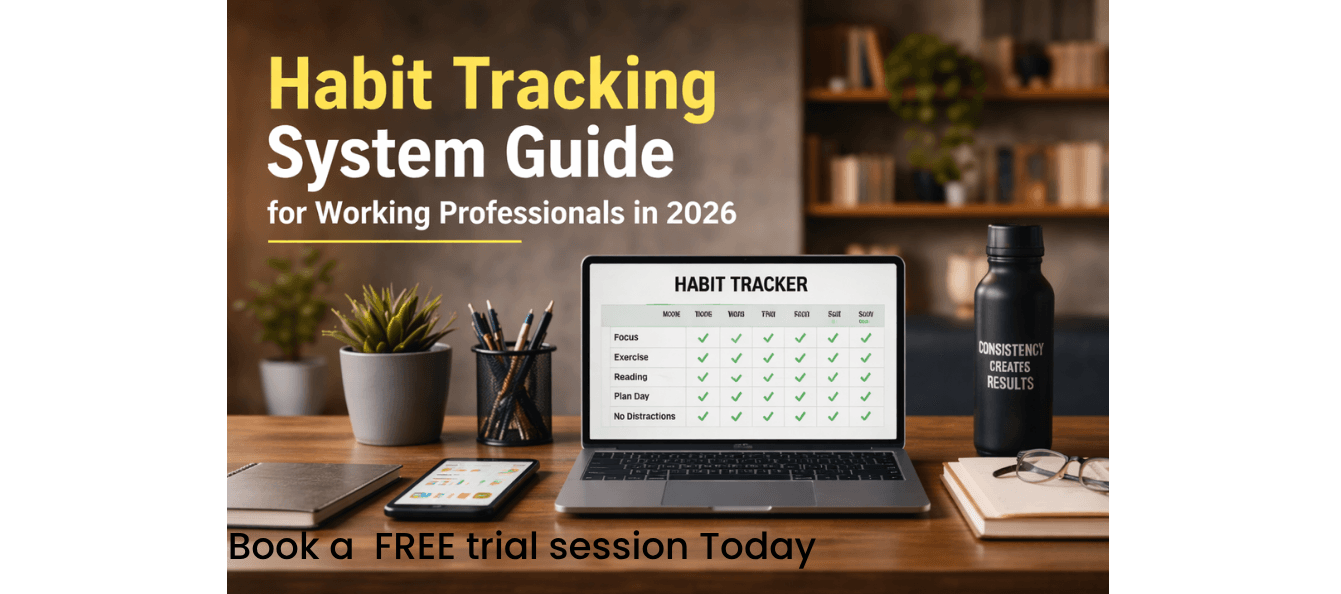
Habit Tracking System Guide for Working Professionals in 2026
In the fast-paced, constantly shifting world of professional life, building and maintaining productive habits has never been more important. However, the most common challenge working professionals face is not knowing what habits to build, but rather how to keep track of them consistently and meaningfully. Without a structured system, even the best-intentioned goals can falter. This blog presents a guide to help you design a habit tracking system tailored for your busy professional life, ensuring that your daily actions align with your long-term success.
Download these resources and apply them alongside your daily work for improved clarity, productivity, and professional growth. You can also book a free trial to gain expert guidance and enhance your communication, problem-solving, and decision-making skills. The materials are designed in a clear, structured format to help professionals learn efficiently and implement insights with confidence.
Who Is This Blog For?
- Professionals seeking to develop a personalized habit tracking system
- Career-driven individuals looking for a structured approach to self-improvement
- Entrepreneurs wanting to enhance personal productivity
- Managers and leaders aiming to build strong, productive habits for team success
- Consultants and freelancers with unpredictable schedules needing a reliable system
Why This Topic Matters Today?
In 2026, working professionals face increased pressures and tighter schedules than ever before. The growing need to balance multiple responsibilities requires more than just managing tasks — it requires a deep, systemic approach to habit tracking. A traditional habit tracker might focus on frequency alone, but what about tracking the quality and context of your habits?
Professionals who track their habits effectively are more productive, less prone to burnout, and can make data-driven adjustments to their routine that align directly with their career goals. A well-structured habit system is the difference between working hard and working smart.
Core Concept or Framework Explained
Effective habit tracking for working professionals should go beyond simple checkmarks. It’s about creating a system that:
- **Monitors Completion, Quality, and Context**: Track not just whether a habit is completed, but how well it is done and the context surrounding it (energy levels, environment, time pressure):contentReference[oaicite:0]{index=0}:contentReference[oaicite:1]{index=1}.
- **Reflects on Progress**: Regular reviews allow for adjustments to ensure your habits are moving you closer to your goals:contentReference[oaicite:2]{index=2}.
- **Encourages Consistency**: Habits stick when they become part of your daily rhythm. Create a habit stack that works with your existing routines:contentReference[oaicite:3]{index=3}.
How This Blog and Guidebook Help You?
By implementing a habit tracking system, you’ll gain insight into your personal growth, identify roadblocks, and refine your efforts. This structured, feedback-driven approach gives you clarity and a clear path forward. Instead of relying on guesswork or motivation, your system will be based on actionable data.
Step-by-Step Breakdown
Phase 1: Habit Audit
The first step is to understand where you stand. Audit your current habits and identify which ones need to change or improve. For example:
- Do you have any morning routines that start your day off well?
- Are there habits that you tend to abandon mid-week?
Take note of the times you struggle the most to stay on track and identify specific friction points.
Phase 2: Design Your Habit Stack
Next, design your habit stack by anchoring your habits to existing routines, such as your morning coffee or post-meeting breaks. Ensure that your habit actions are clear and measurable, such as:
- “Complete 15 minutes of focused reading after morning coffee” instead of “Read more”
- “Track progress in habit journal every night” rather than “Keep a journal”
Make sure your tracking tool is simple and frictionless, so you are more likely to engage with it daily:contentReference[oaicite:4]{index=4}.
Phase 3: Set Triggers and Accountability
For each habit, define clear triggers and accountability markers. A trigger might be something as simple as finishing a morning meeting or starting your lunch break, and an accountability marker could be a quick note or a rating on how well you executed the habit.
Ensure that each habit has a clearly defined context and outcome. For instance, when tracking communication clarity, measure how often you use tools like the PREP framework in emails:contentReference[oaicite:5]{index=5}.
Phase 4: Reflect and Adjust
After following your system for a few weeks, reflect on your progress. Ask yourself:
- Are some habits consistently missed?
- Do certain times of day or stress levels affect your ability to follow through?
- Have you hit a plateau in terms of habit execution?
Use the data from your daily logs to make intelligent adjustments and fine-tune your system to maximize impact.
Common Mistakes or Pitfalls to Avoid
- **Tracking Too Many Habits**: Focus on a few key habits that align with your goals. Spreading yourself too thin will only lead to burnout:contentReference[oaicite:6]{index=6}.
- **Vague Habit Definitions**: Make sure each habit is clear, measurable, and specific. For example, “Improve communication” is too broad. A better habit would be “Use PREP in every project update email”:contentReference[oaicite:7]{index=7}.
- **Lack of Regular Reviews**: Weekly check-ins are essential for refining your system and ensuring you stay on track. Don’t skip these reviews!:contentReference[oaicite:8]{index=8}
How Should You Use This Guidebook Effectively?
To make this system work for you, follow these practical steps:
- **Dedicate 5 minutes each day** to log and track your habits.
- **Complete a weekly review** to measure your progress and make necessary adjustments.
- **Track habit quality and context** to ensure you’re not just checking boxes but actually improving:contentReference[oaicite:9]{index=9}.
Key Takeaways
- A strong habit tracking system goes beyond simple checkboxes.
- Regular reflection and adjustments ensure continuous improvement.
- Focus on a few key habits that align directly with your career and personal growth goals.
- Consistency and simplicity are key to making your habit system sustainable.
Your Next Step: Accelerate Your Career with PlanetSpark
Creating an impact-driven resume is not just about landing your next job—it’s about owning your professional story and presenting it with clarity, confidence, and credibility. When your resume clearly communicates value, results, and impact, opportunities follow naturally.
At PlanetSpark, we are committed to empowering working professionals with practical, outcome-focused resources that drive real career growth. From resume building and workplace communication to leadership presence and professional writing, our programs are designed to help you succeed in today’s fast-evolving job market.
Visit https://www.planetspark.in/resources to explore:
- Career and resume-building guides
- Workplace communication and professional writing resources
- Skill-development tools curated for working professionals
Want a deeper, hands-on experience?
You can also book a free trial session to learn more about PlanetSpark’s Working Professional Courses, designed to accelerate your career through personalised coaching, real-world practice, and expert guidance.
Your career deserves more than generic advice.
It deserves clarity, confidence, and measurable impact.
Personalized Communication Roadmaps
Record a video to get a AI generated personalized communication reports