
Hiring Timeline Follow-Up Email Guide for Professionals
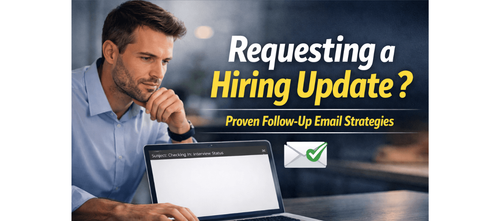

Email to Request Update on Hiring Timeline: Smart Follow-Up Strategies That Get You Noticed
You’ve applied for a job or completed an interview, and now… silence. Days pass, then weeks, and you’re left wondering: Should I follow up? What should I say? Will I come across as pushy?
This uncertainty is one of the most frustrating parts of the hiring process. Many candidates either hesitate to follow up or send vague, ineffective emails that fail to generate a response.
The truth is, a well-timed and professionally written follow-up email can be the difference between staying invisible and staying top of mind. The PlanetSpark Email to Request Update on Hiring Timeline Template Pack is designed to help you follow up with confidence, clarity, and professionalism—without second-guessing every word.
Download these resources and apply them alongside your daily work for improved clarity, productivity, and professional growth. You can also book a free trial to gain expert guidance and enhance your communication, problem-solving, and decision-making skills. The materials are designed in a clear, structured format to help professionals learn efficiently and implement insights with confidence.
Who Is This Blog For?
- Job seekers waiting for updates after applying or interviewing
- Professionals navigating long or unclear hiring processes
- Career switchers looking to stay proactive during transitions
- Freelancers and consultants following up on opportunities
- Anyone who wants to communicate professionally without sounding pushy
Why This Topic Matters Today?
In today’s competitive job market, recruiters and hiring managers handle hundreds of applications simultaneously. This often leads to delays, shifting timelines, and communication gaps.
A thoughtful follow-up email signals:
- Initiative and professionalism
- Continued interest in the role
- Strong communication skills
On the other hand, not following up can result in missed opportunities. According to the resource, many professionals either skip follow-ups entirely or send generic messages that fail to make an impression—reducing their chances of moving forward.
The reality is simple:
- Silence does not always mean rejection
- Hiring delays are common
- Strategic follow-ups keep you visible in the process
Core Concept or Framework Explained
A strong hiring timeline follow-up email is built on three core principles:
Timing
Knowing when to follow up is critical. Too early feels impatient; too late signals lack of interest.
Clarity
Your message should clearly state why you’re reaching out—without unnecessary detail or confusion.
Professional Confidence
The tone should be polite and confident, not apologetic or demanding.
The templates in this pack are structured to balance all three, ensuring your message feels natural, respectful, and effective.
How This Blog and Guidebook Help You? ,
This guide and template pack help you:
- Remove uncertainty around when and how to follow up
- Communicate professionally without sounding pushy
- Increase your chances of getting timely responses
- Stay top of mind with recruiters and hiring managers
- Save time using ready-to-use, structured templates
Instead of guessing what works, you use proven formats designed for real hiring scenarios.
Step-by-Step Breakdown
When Should You Request a Hiring Update?
Timing is everything in follow-up communication.
Based on the template guidelines:
- After application: Wait 5–7 business days
- After interview: Wait 7–10 business days
- After recruiter silence: Follow up after 10–14 days
As shown in the timeline guide on page 14, spacing your outreach appropriately signals professionalism and emotional intelligence.
How Should You Structure the Email?
Subject Line: Clear and Direct
Use a simple format such as:
- Checking In — Job Title | Your Name
This ensures clarity and avoids confusion.
Opening: Polite and Contextual
Start by referencing:
- The role you applied for
- The date of application or interview
Keep it brief and professional.
Example approach:
- Mention when you applied or interviewed
- Express continued interest
Middle Section: Reinforce Interest
This is your opportunity to remind them why you are a strong candidate.
Include:
- Enthusiasm for the role
- Alignment with company goals
- Relevant skills or experience
Avoid repeating your resume—focus on relevance.
Status Request: Clear but Respectful
Politely ask for an update on the hiring process.
Use phrases like:
- “I would appreciate any updates on next steps”
- “I would be grateful to know the current status”
This keeps your tone professional and non-demanding.
Offer Value: Show Readiness
Reassure them that you are responsive and prepared.
Include:
- Willingness to provide additional information
- Availability for further discussions
This reduces friction and keeps the process moving.
Closing: Professional and Positive
End with:
- Gratitude
- A confident sign-off
- Your contact details
Keep it concise and respectful.
Common Mistakes or Pitfalls to Avoid
- Following up too soon after applying or interviewing
- Writing long, overly detailed emails
- Using an apologetic or uncertain tone
- Sending generic messages without personalisation
- Following up too frequently
- Sounding demanding or entitled
These mistakes can harm your professional image and reduce your chances of getting a response.
How Should You Use This Guidebook Effectively?
To maximise results:
Follow this workflow:
- Choose the appropriate template for your situation
- Replace all placeholders with accurate details
- Personalise at least one sentence with specific context
- Keep the email under 200–250 words
- Proofread before sending
Recommended strategy:
- First follow-up: After the recommended waiting period
- Second follow-up: Only if necessary
- Avoid more than two follow-ups without response
The guide emphasises that persistence is professional only when done respectfully and with proper spacing.
Key Takeaways
- Follow-up emails are essential in modern hiring processes
- Timing and tone determine effectiveness
- Keep emails short, clear, and professional
- Reinforce interest without sounding desperate
- Personalisation significantly improves response rates
- Templates save time and improve communication quality
Your Next Step: Accelerate Your Career with PlanetSpark
Creating an impact-driven resume is not just about landing your next job—it’s about owning your professional story and presenting it with clarity, confidence, and credibility. When your resume clearly communicates value, results, and impact, opportunities follow naturally.
At PlanetSpark, we are committed to empowering working professionals with practical, outcome-focused resources that drive real career growth. From resume building and workplace communication to leadership presence and professional writing, our programs are designed to help you succeed in today’s fast-evolving job market.
Visit https://www.planetspark.in/resources to explore:
- Career and resume-building guides
- Workplace communication and professional writing resources
- Skill-development tools curated for working professionals
Want a deeper, hands-on experience?
You can also book a free trial session to learn more about PlanetSpark’s Working Professional Courses, designed to accelerate your career through personalised coaching, real-world practice, and expert guidance.
Your career deserves more than generic advice.
It deserves clarity, confidence, and measurable impact.
Personalized Communication Roadmaps
Record a video to get a AI generated personalized communication reports