
How to Measure Career Recovery ROI Effectively
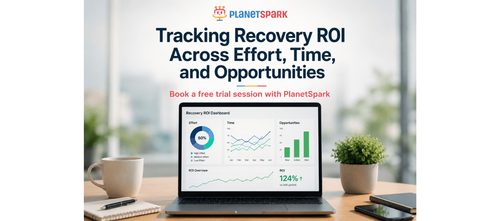

How to Measure Whether Your Career Recovery Efforts Are Actually Moving You Forward
Every professional experiences setbacks at some point in their career. A failed project, an unexpected layoff, a stalled promotion, burnout, or an unsuccessful career transition can create uncertainty, frustration, and self-doubt. Yet what separates resilient professionals from those who remain stuck is not simply persistence—it is their ability to measure progress intelligently during recovery.
Most people focus only on visible outcomes such as interviews secured, applications submitted, or certifications completed. Very few track whether their recovery efforts are actually producing meaningful opportunities relative to the energy and time invested. This is where the concept of Recovery ROI becomes transformational.
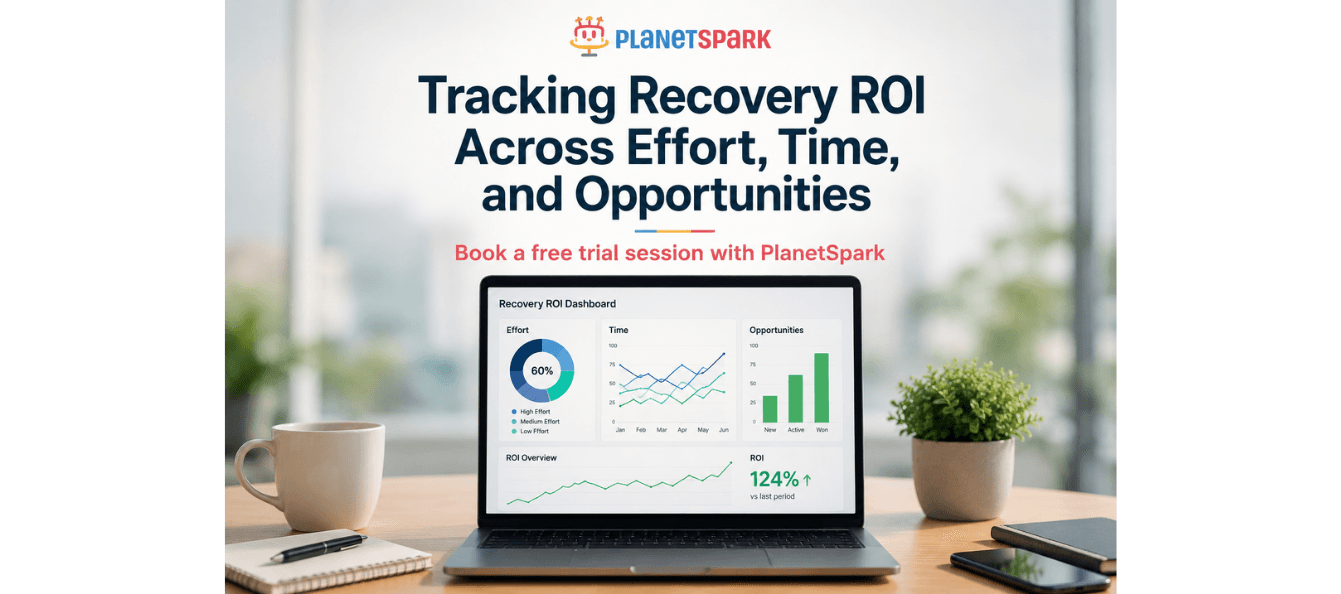
Recovery ROI is a practical framework designed to help professionals measure the return they are generating from their recovery efforts. Instead of operating emotionally or reactively, the framework encourages evidence-based decision-making that improves focus, reduces wasted effort, and increases professional momentum over time.
Whether you are recovering from a job loss, navigating a career pivot, rebuilding confidence after burnout, or trying to regain momentum after a difficult professional phase, this framework gives you a structured way to assess what is working and what needs adjustment.
Download these resources and apply them alongside your daily work for improved clarity, productivity, and professional growth. You can also book a free trial to gain expert guidance and enhance your communication, problem-solving, and decision-making skills. The materials are designed in a clear, structured format to help professionals learn efficiently and implement insights with confidence.
Who Is This Blog For?
- Career changers navigating transitions into new industries or functions
- Early and mid-career professionals rebuilding momentum after setbacks
- Managers recovering from failed projects or leadership challenges
- Consultants and freelancers reassessing business direction
- Professionals experiencing burnout or stalled career growth
- Individuals seeking a data-driven approach to career recovery
- Working professionals who want better clarity around effort and outcomes
Why This Topic Matters Today?
Modern professional life is increasingly unpredictable. Layoffs, market disruptions, technological shifts, and changing hiring patterns have made career recovery a critical professional skill rather than a rare situation.
Many professionals spend months working hard without understanding whether their activities are actually moving them closer to meaningful outcomes. According to the framework presented in the guidebook, the biggest mistake professionals make is tracking only elapsed time while ignoring effort quality and missed opportunities.
For example:
- Spending three months searching for a role does not reveal whether those months were strategically invested
- Completing multiple courses may create activity without generating opportunities
- Excessive job board browsing may consume hours without producing meaningful traction
The guidebook highlights a crucial insight: recovery should be measured not only by effort, but by opportunity creation.
This matters because career recovery is expensive in multiple ways:
- Emotional energy depletion
- Financial pressure
- Opportunity costs
- Loss of confidence
- Reduced professional visibility
Professionals who measure recovery ROI make faster and smarter adjustments. Instead of remaining trapped in ineffective routines, they identify which activities generate the highest return and eliminate low-value behaviours.
Core Concept or Framework Explained
At the centre of this guidebook is the Recovery ROI Triangle, a framework built on three interconnected variables:
- Effort
- Time
- Opportunities
The Core Formula
The framework explains that recovery success depends on understanding the relationship between these three variables rather than focusing on only one.
Understanding Effort
Effort includes:
- Research and learning
- Skill-building activities
- Networking outreach
- Applications and follow-ups
- Emotional processing
- Administrative recovery tasks
The guidebook emphasises that effort is not just physical work. Emotional and cognitive energy are equally important factors.
Understanding Time
Time includes both:
- Calendar time
- Opportunity cost
For example, spending two weeks over-investing in one recovery strategy may prevent you from exploring more valuable opportunities elsewhere.
Understanding Opportunities
Opportunities include:
- Interviews
- Networking introductions
- Skill certifications
- Referrals
- Consulting projects
- Career conversations
- Industry visibility
The framework also uniquely tracks missed opportunities, which most professionals ignore entirely.
This creates a much clearer picture of recovery effectiveness.
How This Blog and Guidebook Help You?
This framework helps professionals transform vague career recovery efforts into structured, measurable systems.
The guidebook provides:
- A practical tracking system for recovery progress
- Weekly effort logging frameworks
- Opportunity-mapping methods
- ROI scoring mechanisms
- Real-world recovery analysis examples
- Reflection prompts for strategic improvement
The biggest advantage of the framework is clarity.
Instead of asking:
“Am I working hard enough?”
You begin asking:
“Which activities are producing the highest opportunities per hour invested?”
This shift dramatically improves decision-making quality.
Professionals using this system can:
- Reduce wasted effort
- Identify high-value activities faster
- Improve career visibility
- Avoid emotional overreaction
- Track progress objectively
- Build recovery momentum systematically
Step-by-Step Breakdown
Step 1: Define the Setback
Every recovery process begins with clarity.
The guidebook recommends writing a one-sentence definition of the setback and assigning impact scores across three areas:
- Career impact
- Financial impact
- Confidence impact
This establishes a measurable baseline.
For example:
- Job loss after company restructuring
- Failed product launch
- Burnout-related career pause
- Career transition into a new industry
Without defining the setback clearly, recovery efforts become scattered and inconsistent.
Step 2: Log Recovery Effort
The second step involves tracking weekly recovery activities.
The guidebook categorises effort into areas such as:
- Learning
- Outreach
- Applications
- Emotional processing
- Administrative tasks
A critical addition is the Energy Quality Score, rated from 1–5.
This prevents professionals from confusing busy work with productive work.
For example:
- Spending four focused hours on networking may produce higher ROI than eight distracted hours browsing job boards
The framework encourages weekly reviews to identify:
- Highest-ROI activities
- Lowest-ROI activities
- Energy-draining behaviours
- Avoided priorities
This creates accountability and self-awareness.
Step 3: Map Opportunities
This section is one of the strongest parts of the framework.
The guidebook divides opportunities into four categories:
- Created
- Received
- Missed
- Blocked
Created Opportunities
These result directly from your actions.
Examples:
- Networking conversations
- Referral requests
- Outreach campaigns
Received Opportunities
These arrive inbound because of your visibility or reputation.
Examples:
- Recruiter outreach
- Interview invitations
- Client enquiries
Missed Opportunities
These are opportunities you knew about but failed to pursue.
Examples:
- Forgotten follow-ups
- Missed deadlines
- Delayed responses
The framework emphasises that missed opportunities are valuable data points rather than failures.
Blocked Opportunities
These involve external constraints such as:
- Hiring freezes
- Budget cuts
- Organisational restructuring
Tracking blocked opportunities helps professionals identify systemic barriers rather than blaming themselves unnecessarily.
Step 4: Calculate and Adjust
Once effort and opportunities are tracked, the next step is calculating weekly ROI scores.
The guidebook assigns opportunity values:
- High-value opportunity = 10 points
- Medium-value opportunity = 5 points
- Low-value opportunity = 2 points
- Missed opportunity = –3 points
The calculation process helps professionals monitor trends over time.
A high score indicates that effort is translating efficiently into opportunities.
A declining score signals the need for strategy adjustments.
The framework strongly recommends weekly reviews rather than monthly reviews because delayed feedback often prolongs ineffective strategies.
The guidebook compares this process to GPS recalculation:
continuous, responsive, and forward-moving.
Real-World Case Study: Priya’s Career Pivot
One of the most practical sections of the guidebook is the case study involving Priya, a 34-year-old operations manager transitioning into product management.
Her recovery timeline included:
Weeks 1–2
- Defined setback
- Identified skill gaps
- Built tracking systems
Weeks 3–6
- Completed PM certification learning
- Started networking coffee chats
- Achieved initial ROI score of 0.6
Weeks 7–10
- Secured three interviews
- Missed one follow-up opportunity
- Added calendar reminders
- Improved ROI score to 1.2
Weeks 11–14
- Secured Associate Product Manager offer
- Negotiated 22% salary increase
- Achieved ROI score of 2.1
The case study reveals several critical lessons:
- Networking conversations generated higher ROI than excessive applications
- Low-value job board browsing consumed unnecessary time
- One missed follow-up had measurable opportunity cost
Most importantly, the framework helped Priya improve strategically instead of reacting emotionally.
Common Mistakes or Pitfalls to Avoid
The guidebook identifies five major recovery tracking mistakes.
Only Tracking Time
Many professionals measure hours but ignore effort quality.
The better approach is tracking both hours and energy quality.
Ignoring Missed Opportunities
Professionals often record completed tasks while ignoring opportunities they failed to pursue.
This hides critical learning patterns.
Reviewing ROI Too Infrequently
Monthly reviews delay adjustments.
The framework recommends 15-minute weekly checkpoints.
Treating All Opportunities Equally
A referral conversation is significantly more valuable than low-quality mass applications.
The guidebook encourages clear value scoring.
Abandoning the Tracker During Slow Progress
Low ROI scores often discourage professionals.
However, the framework emphasises that low scores are diagnostic tools, not evidence of failure.
Consistent tracking during difficult periods creates the greatest long-term improvement.
How Should You Use This Guidebook Effectively?
The guidebook is designed for practical weekly implementation rather than passive reading.
Recommended workflow:
- Define your recovery context clearly
- Create a weekly effort log
- Track opportunities consistently
- Calculate ROI every Friday
- Analyse trends over 4–6 weeks
- Adjust strategy based on evidence
Suggested weekly time investment:
- 10–15 minutes daily logging
- 15-minute weekly review
- Monthly trend analysis
The framework works best when used consistently during active recovery periods rather than retrospectively.
Professionals should also:
- Use calendar reminders
- Track emotional energy honestly
- Avoid perfectionism
- Focus on directional improvement rather than instant results
The goal is not flawless recovery.
The goal is measurable progress.
Key Takeaways
- Recovery ROI helps professionals measure whether effort is creating meaningful opportunities
- Career recovery should be tracked across effort, time, and opportunities
- Missed opportunities are valuable learning data
- Weekly reviews are more effective than monthly reviews
- Energy quality matters as much as time investment
- Opportunity mapping improves strategic decision-making
- Consistent tracking reduces emotional decision-making
- Networking and visibility activities often generate higher ROI than passive applications
- Recovery success depends on adjustments, not just persistence
- Structured measurement transforms uncertainty into actionable insight
Your Next Step: Accelerate Your Career with PlanetSpark
Creating an impact-driven resume is not just about landing your next job—it’s about owning your professional story and presenting it with clarity, confidence, and credibility. When your resume clearly communicates value, results, and impact, opportunities follow naturally.
At PlanetSpark, we are committed to empowering working professionals with practical, outcome-focused resources that drive real career growth. From resume building and workplace communication to leadership presence and professional writing, our programs are designed to help you succeed in today’s fast-evolving job market.
Visit https://www.planetspark.in/resources to explore:
- Career and resume-building guides
- Workplace communication and professional writing resources
- Skill-development tools curated for working professionals
Want a deeper, hands-on experience?
You can also book a free trial session to learn more about PlanetSpark’s Working Professional Courses, designed to accelerate your career through personalised coaching, real-world practice, and expert guidance.
Your career deserves more than generic advice.
It deserves clarity, confidence, and measurable impact.
Start building that advantage today—with PlanetSpark.
Personalized Communication Roadmaps
Record a video to get a AI generated personalized communication reports