
How to Structure 1:1 Meetings for Maximum Impact at Work
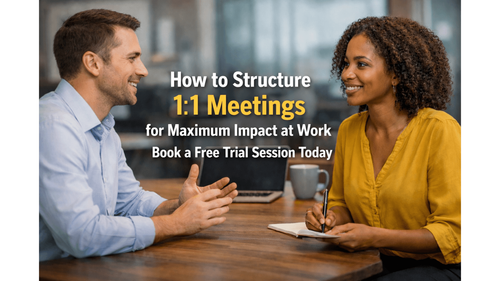

Structuring Effective One-on-One Conversations: A Practical Guide to Better Workplace Communication and Leadership
Most professionals attend regular one-on-one meetings, yet very few extract real value from them. Conversations drift, agendas remain unclear, and meetings end without decisions or accountability. Over time, this leads to misalignment, missed opportunities, and weakened professional relationships.
In a fast-paced workplace where clarity, trust, and execution define success, unstructured conversations are a hidden productivity drain. This guide transforms one-on-one meetings from routine check-ins into high-impact conversations that drive results, build trust, and accelerate career growth.
Book your free trial session today with Planetspark.
Download for more details
Who Is This Blog For?
This blog is designed for professionals
who want to elevate their communication and leadership effectiveness:
- Working professionals aiming to improve workplace communication and influence
- Managers and team leaders responsible for guiding performance and development
- Consultants and client-facing professionals handling high-stakes conversations
- Mid-career professionals seeking leadership readiness
- Individuals looking to build stronger professional relationships and trust
Why This Topic Matters Today?
Modern workplaces demand more than just task execution. They require alignment, collaboration, and continuous feedback. Yet, most one-on-one conversations fail to deliver these outcomes.
Common issues include:
- Meetings without clear agendas or direction
- Conversations reduced to status updates instead of meaningful dialogue
- Lack of closure, resulting in zero accountability
- Power imbalances that prevent honest communication
These gaps directly impact productivity, engagement, and trust. A well-structured one-on-one conversation is not just a meeting—it is a strategic tool for professional growth, relationship building, and decision-making.
Core Concept or Framework Explained
At the heart of effective one-on-one conversations is a simple yet powerful structure: the Before, During, and After framework.
This framework transforms conversations into a repeatable system:
- Before: Preparation and clarity of purpose
- During: Structured, meaningful dialogue
- After: Follow-up, accountability, and continuous improvement
Within the conversation itself, the CORE model ensures clarity and direction:
- Context: Set the background
- Outcome: Define what success looks like
- Reality: Explore the current situation through questions
- Execute: Agree on clear actions and next steps
Together, these frameworks ensure that every conversation is intentional, balanced, and outcome-driven.
How This Blog and Guidebook Help You?
By applying these frameworks, you can:
- Turn routine meetings into high-impact conversations
- Build trust and psychological safety with colleagues
- Improve clarity, alignment, and decision-making
- Strengthen leadership presence and communication skills
- Ensure every conversation leads to measurable progress
This approach helps you move from passive participation to proactive leadership in every professional interaction.
Step-by-Step Breakdown
Step 1: Prepare With Purpose Before the Meeting
Effective conversations begin before the meeting starts. Preparation sets the tone and direction.
Start by defining a clear outcome. Ask yourself what must be achieved by the end of the conversation. This clarity ensures focus and avoids wasted time.
Next, create a shared agenda with 2 to 4 key items. Share it at least 24 hours in advance and invite the other person to contribute. This builds alignment and respect.
Finally, set your mindset. Enter the meeting ready to listen, not just speak. Your presence matters as much as your preparation.
Step 2: Use a Pre-Meeting Checklist for Consistency
A simple checklist ensures you never miss critical preparation steps:
- Define the primary outcome
- Draft a focused agenda
- Share the agenda in advance
- Review previous meeting notes and open actions
- Consider the other person’s needs
- Block time for post-meeting follow-up
This process takes less than 15 minutes but significantly improves meeting quality.
Step 3: Open the Conversation Strongly
The first five minutes determine the success of the conversation.
Start with a meaningful check-in to build connection. Avoid generic questions and focus on specific, relevant topics.
Align on the purpose of the meeting by restating the goal. This ensures both parties are on the same page.
Finally, check for any updates or changes since the agenda was shared. This prevents disruptions later.
Step 4: Structure the Conversation Using the CORE Model
The CORE model keeps discussions focused and productive.
Begin with context to briefly explain why the topic matters. Then define the outcome for that specific discussion point.
Move into a reality check by asking open-ended questions. This is where real insights emerge. Listen actively and avoid jumping to solutions.
End with execution by defining clear actions, owners, and timelines. This step ensures the conversation leads to results.
Step 5: Practice Active Listening
Active listening is a critical professional skill that builds trust and unlocks honest dialogue.
Focus fully on the speaker by removing distractions. Observe not just words but tone and energy.
Reflect back what you hear before responding. This confirms understanding and shows respect.
Ask thoughtful questions instead of giving immediate advice. This encourages ownership and deeper thinking.
Step 6: Ask Powerful Questions
The quality of your questions determines the quality of the conversation.
Use questions to:
- Open dialogue and encourage sharing
- Identify blockers and challenges
- Drive clarity and action
Examples include asking what is working well, what challenges exist, and what the next step should be. These questions create depth and direction.
Step 7: Handle Difficult Moments Professionally
Challenging situations are inevitable in meaningful conversations.
When defensiveness arises, slow down and seek to understand. When emotions surface, acknowledge them without rushing to solve the problem.
If the conversation goes off track, gently redirect while respecting the concern. Silence should be allowed, as it often leads to deeper insights.
Handling these moments well builds trust and strengthens relationships.
Step 8: Close With Clarity
The final five minutes are critical for ensuring outcomes.
Summarise key decisions made during the conversation. Clearly assign actions with owners and deadlines.
Confirm timelines and expectations. End on a positive note with appreciation and forward momentum.
A structured close eliminates confusion and reinforces accountability.
Step 9: Follow Up Effectively
The real impact of a conversation is determined after it ends.
Immediately capture notes while the discussion is fresh. Within 24 hours, send a summary highlighting decisions and actions.
Track all open actions and review them before the next meeting. This ensures continuity and accountability.
Regular reflection helps you improve your approach over time.
Common Mistakes or Pitfalls to Avoid
Avoid these common mistakes that reduce the effectiveness of one-on-one conversations:
- Treating meetings as optional or cancelling frequently
- Dominating the conversation instead of listening
- Skipping agendas due to time pressure
- Ending meetings without clear actions
- Focusing only on urgent topics and ignoring long-term growth
- Failing to follow up between sessions
Addressing these issues can dramatically improve both communication and outcomes.
How Should You Use This Guidebook Effectively?
To maximise results, follow a structured approach:
- Read the guide once to understand the full framework
- Use the preparation template before each meeting
- Apply the CORE model during conversations
- Allocate 15 minutes for preparation and 10 minutes for follow-up
- Reflect regularly to improve your communication style
Consistency is key. Even small improvements compound over time.
Key Takeaways
- Structure transforms ordinary conversations into high-impact interactions
- Preparation before the meeting is critical for success
- Listening more than speaking builds trust and insight
- Clear actions with ownership drive real progress
- Follow-up is essential for accountability and momentum
- Continuous improvement strengthens long-term professional relationships
Your Next Step: Accelerate Your Career with PlanetSpark
Creating an impact-driven resume is not just about landing your next job—it’s about owning your professional story and presenting it with clarity, confidence, and credibility. When your resume clearly communicates value, results, and impact, opportunities follow naturally.
At PlanetSpark, we are committed to empowering working professionals with practical, outcome-focused resources that drive real career growth. From resume building and workplace communication to leadership presence and professional writing, our programs are designed to help you succeed in today’s fast-evolving job market.
Visit https://www.planetspark.in/resources to explore:
- Career and resume-building guides
- Workplace communication and professional writing resources
- Skill-development tools curated for working professionals
Want a deeper, hands-on experience?
You can also book a free trial session to learn more about PlanetSpark’s Working Professional Courses, designed to accelerate your career through personalised coaching, real-world practice, and expert guidance.
Your career deserves more than generic advice.
It deserves clarity, confidence, and measurable impact.
Start building that advantage today—with PlanetSpark.
Personalized Communication Roadmaps
Record a video to get a AI generated personalized communication reports