
Master Strategic Career Planning with This Framework
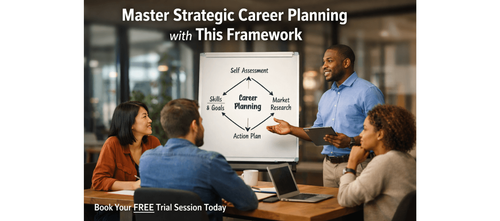

Framework Career Planning: A Step-by-Step Framework for Professional Growth
In today’s competitive job market, achieving career success requires more than hard work—it demands strategic planning. Whether you're looking to advance in your current role, transition to a new field, or embark on an entrepreneurial venture, a strategic career plan is essential for mapping out the path to your goals.
The Strategic Career Planning Framework offers a structured, actionable approach to help you take deliberate control of your professional trajectory. This guidebook and worksheet are designed for professionals ready to turn vague ambitions into concrete, measurable milestones and take ownership of their career development.
Download these resources and apply them alongside your daily work for improved clarity, productivity, and professional growth. You can also book a free trial to gain expert guidance and enhance your communication, problem-solving, and decision-making skills. The materials are designed in a clear, structured format to help professionals learn efficiently and implement insights with confidence.

Who Is This Blog For?
Job seekers looking for a structured career roadmap
Professionals aiming for a promotion or career advancement
Individuals considering a career shift or pivot to a new field
Freelancers and entrepreneurs building a clear career plan
Managers and leaders who want to refine their professional strategies
Why This Topic Matters Today?
In the modern job market, many professionals fall into the trap of reacting to career opportunities rather than planning for them. Strategic career planning is essential for achieving long-term success and satisfaction. By proactively managing your career path, you ensure that every decision you make brings you closer to your desired outcome.
This framework offers professionals a way to reflect on their current position, set clear goals, and create an actionable plan. It ensures that you’re not just working hard but working with purpose and alignment, so you’re always moving toward your long-term vision.
Core Concept or Framework Explained
The Strategic Career Planning Framework provides a step-by-step guide to take ownership of your career growth. The key elements include:
Self-Assessment: Understand where you currently stand in your career by evaluating your strengths, weaknesses, values, and motivations
Career Vision: Define where you want to be in the next 1, 3, and 5 years and establish a clear direction for your career
Gap Analysis: Conduct a thorough gap analysis to identify the skills, experience, knowledge, and relationships you need to bridge the gap between your current and desired professional state
Goal Setting: Use the SMART framework to create specific, measurable, achievable, relevant, and time-bound goals that will move you closer to your vision
Development Plan: Develop a structured action plan to address skill gaps and leverage opportunities for growth
Networking & Relationship Strategy: Build and nurture relationships with mentors, peers, and sponsors to accelerate your career growth
Personal Branding: Evaluate and enhance your professional reputation and visibility
Quarterly Career Review: Establish a process for regularly reviewing and adapting your career plan based on your progress
How This Blog and Guidebook Help You?
This blog, along with the Strategic Career Planning Framework, will help you:
Understand where you stand in your current career
Define a clear career vision and break it into actionable goals
Identify gaps in your skills, experience, and network
Create a structured development plan to achieve your career objectives
Build meaningful relationships that can accelerate your career growth
Regularly review and adapt your plan to ensure you stay on track
Step-by-Step Breakdown
Self-Assessment — Know Where You Stand
Before you can plan your career, you must first understand where you are. Conduct a thorough self-assessment by identifying your core competencies, values, and motivations. Use tools like the SWOT analysis (Strengths, Weaknesses, Opportunities, Threats) to gain clarity about your current situation. Reflect on feedback from colleagues, mentors, and managers to get a well-rounded view of your abilities and areas for improvement.
Define Your Career Vision
Your career vision serves as your guiding star. Define where you want to be in 1, 3, and 5 years. This vision should encompass more than just a job title—it should address the role you aspire to, the type of work you want to do, the company culture you want to be a part of, and the impact you want to have. Revisit and refine your vision annually to ensure it remains aligned with your evolving goals.
Conduct a Gap Analysis
A gap analysis identifies the specific skills, experiences, qualifications, and relationships you need to achieve your career vision. Evaluate where you currently stand and compare it to the requirements of your desired career trajectory. Look for gaps in skills, knowledge, and network connections, and prioritize which gaps need to be addressed first.
Set SMART Goals
Break your career vision into actionable goals using the SMART framework:
Specific: Clearly define your goals
Measurable: Set metrics to track your progress
Achievable: Ensure your goals are realistic
Relevant: Align your goals with your long-term vision
Time-bound: Set deadlines to keep your progress on track
Build a Development Plan
Create a detailed development plan that specifies the actions required to close the identified gaps. For each goal, define specific actions, timelines, and resources required. This plan will ensure that you remain focused on the right tasks and make consistent progress toward your career vision.
Networking and Relationship Strategy
Networking is an essential part of career growth. Identify the key individuals you need to connect with—mentors, sponsors, and peers who can support your professional development. Make a plan for how to engage with these individuals, whether through networking events, online platforms, or one-on-one meetings. Networking is a long-term investment, so prioritize meaningful relationships that can help you grow.
Personal Branding
Your personal brand is how you present yourself to the world. Evaluate your online presence, especially platforms like LinkedIn, and ensure it accurately reflects your skills, experience, and career goals. Build a personal brand by sharing your expertise through articles, public speaking, or professional contributions, and ensure that decision-makers in your industry are aware of your capabilities.
Quarterly Career Review
To ensure your career plan stays on track, set up a quarterly review process. Assess your progress, revisit your goals, and adjust your strategy as needed. This review process helps you stay focused and ensures your plan remains relevant in a constantly changing professional landscape.
Common Mistakes or Pitfalls to Avoid
Even with a structured career planning framework, professionals can fall into common traps. Here’s what to avoid:
Lack of Specificity: Avoid vague goals and plans. The more specific your goals and action steps, the more likely you are to achieve them
Neglecting Networking: Networking is key to career advancement. Don’t just focus on skills—build and nurture relationships
Overloading Yourself with Goals: Limit yourself to three to five active goals at any time to maintain focus and avoid burnout
Failure to Adapt: Careers don’t follow a straight line. Be prepared to adapt your plan as circumstances and opportunities change
How Should You Use This Guidebook Effectively?
To maximize the value of the Strategic Career Planning Framework:
Start by conducting a self-assessment and defining your career vision
Set SMART goals and break them down into actionable steps
Build a development plan to close the gaps and track your progress
Network strategically and build a personal brand that aligns with your career goals
Review and adjust your plan quarterly to stay on track
Key Takeaways
Strategic career planning provides direction, clarity, and accountability
Setting SMART goals turns vision into actionable steps
Networking and personal branding are essential for long-term career growth
Regular reviews ensure your plan stays aligned with your evolving career aspirations
Your Next Step: Accelerate Your Career with PlanetSpark
Creating an impact-driven resume is not just about landing your next job—it’s about owning your professional story and presenting it with clarity, confidence, and credibility. When your resume clearly communicates value, results, and impact, opportunities follow naturally.
At PlanetSpark, we are committed to empowering working professionals with practical, outcome-focused resources that drive real career growth. From resume building and workplace communication to leadership presence and professional writing, our programs are designed to help you succeed in today’s fast-evolving job market.
Visit https://www.planetspark.in/resources to explore:
Career and resume-building guides
Workplace communication and professional writing resources
Skill-development tools curated for working professionals
Want a deeper, hands-on experience?
You can also book a free trial session to learn more about PlanetSpark’s Working Professional Courses, designed to accelerate your career through personalised coaching, real-world practice, and expert guidance.
Your career deserves more than generic advice.
It deserves clarity, confidence, and measurable impact.
Personalized Communication Roadmaps
Record a video to get a AI generated personalized communication reports