
Portfolio Follow-Up Email Guide for Professionals 2026
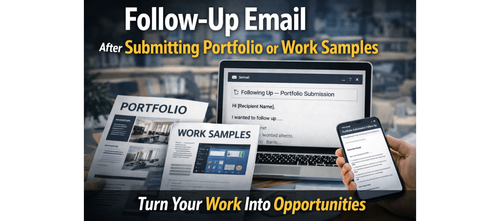

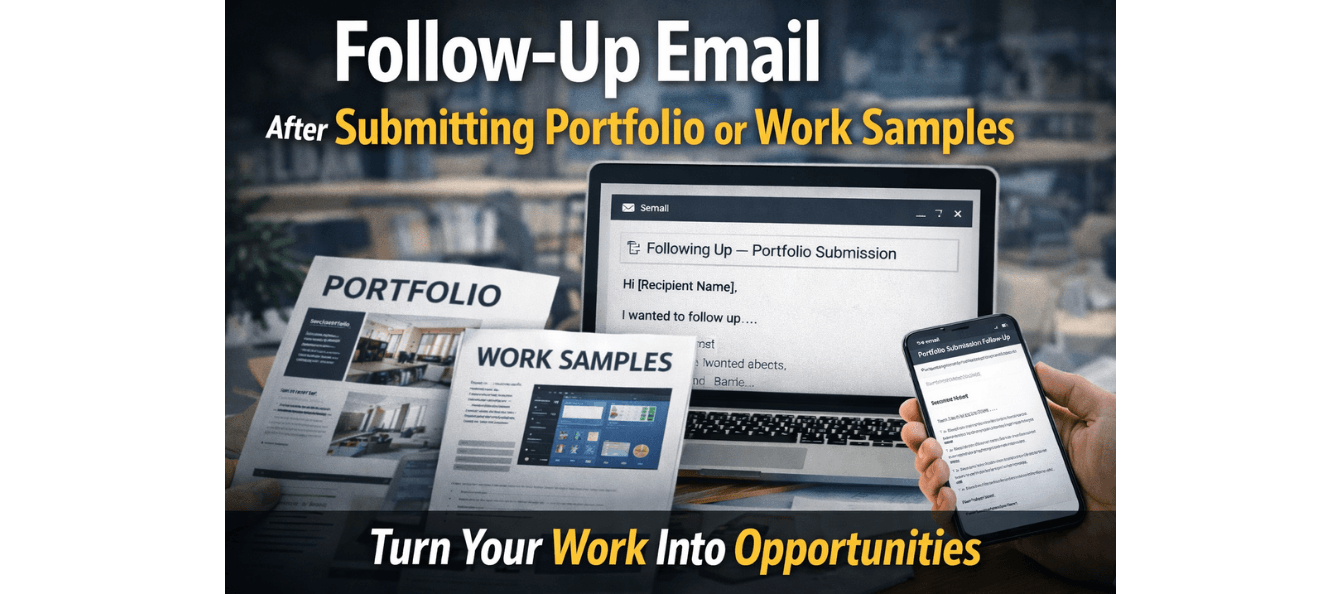
Follow-Up Email After Submitting Portfolio or Work Samples: Templates That Turn Your Work Into Opportunities
You’ve submitted your portfolio or work samples. You’ve put in the effort, showcased your best work, and hit send. Now comes the waiting—and the uncertainty.
Did they review your work? Did it stand out? Should you follow up, or will that seem pushy?
This is where most professionals lose momentum. They either don’t follow up at all or send a generic message that fails to reinforce their value. The result? Their work gets buried in inboxes and forgotten.
A strategic follow-up email changes that. It brings your work back into focus, highlights your strongest pieces, and opens the door for meaningful conversation. The PlanetSpark Follow-Up Email After Submitting Portfolio or Work Samples Template Pack is designed to help you do exactly that—with clarity, confidence, and impact.
Download these resources and apply them alongside your daily work for improved clarity, productivity, and professional growth. You can also book a free trial to gain expert guidance and enhance your communication, problem-solving, and decision-making skills. The materials are designed in a clear, structured format to help professionals learn efficiently and implement insights with confidence.
Who Is This Blog For?
- Designers, developers, writers, and creative professionals with portfolios
- Job seekers applying for roles that require work samples
- Freelancers pitching projects or proposals
- Consultants sharing case studies or presentations
- Professionals who want to stand out after submitting work
Why This Topic Matters Today?
In today’s hiring landscape, portfolios and work samples often carry more weight than resumes. Employers want proof of skills—not just claims.
However, submitting your work is only half the process. According to the resource, follow-ups are one of the most underutilised tools in professional communication, even though they significantly increase response rates and reinforce your candidacy.
The challenge is that recruiters and hiring managers:
- Receive multiple portfolios simultaneously
- May not review all submissions immediately
- Often prioritise candidates who stay visible and proactive
A well-crafted follow-up ensures your work doesn’t get overlooked.
Core Concept or Framework Explained
A high-impact portfolio follow-up email is built on three key elements:
Context Reminder
You briefly remind the recipient when and why you shared your portfolio.
Value Highlight
You draw attention to one specific project that is most relevant to their needs.
Action Invitation
You invite them to take the next step—such as a call, walkthrough, or discussion.
This structured approach transforms your follow-up from a simple reminder into a value-driven conversation starter.
How This Blog and Guidebook Help You?
This guide and template pack help you:
- Reinforce the impact of your portfolio after submission
- Increase your chances of getting a response
- Highlight your most relevant work strategically
- Position yourself as proactive and professional
- Save time using structured, ready-to-use templates
Instead of sending a generic “just checking in” email, you create a message that adds value.
Step-by-Step Breakdown
When Should You Send a Follow-Up?
Timing is critical for effectiveness.
Based on the template guidance:
- Send your follow-up 3–5 days after sharing your portfolio
- Avoid sending too early (before they’ve had time to review)
- Avoid waiting too long (risk of being forgotten)
This timing ensures you stay visible without appearing impatient.
How Should You Structure the Email?
Subject Line: Clear and Relevant
Use formats such as:
- Following Up — Portfolio for Role
- Checking In — Your Name’s Work Samples
Clarity increases open rates.
Opening: Provide Context
Start by reminding them:
- When you shared your portfolio
- What role or opportunity it relates to
Keep it concise and direct.
Highlight Section: Showcase One Strong Piece
This is the most important part of your email.
Include:
- One specific project or case study
- Why it is relevant to their needs
- A brief result or outcome
For example:
- “In this project, I improved conversion rates by 25%”
- “This case study aligns with your focus on X”
As highlighted in the template on page 6, drawing attention to one standout piece increases the likelihood of engagement.
Call to Action: Invite Engagement
Make it easy for them to respond.
Include:
- Availability for a call or walkthrough
- Flexibility in scheduling
This shows initiative and readiness.
Closing: Professional and Positive
End with:
- Gratitude
- Contact details
- A confident, respectful tone
Keep it short and polished.
Common Mistakes or Pitfalls to Avoid
- Sending a generic follow-up without referencing your work
- Highlighting too many projects instead of one key piece
- Writing long, detailed emails
- Following up too frequently
- Using a weak or apologetic tone
- Not including a clear next step
These mistakes reduce the effectiveness of your follow-up and weaken your professional impression.
How Should You Use This Guidebook Effectively?
To get the best results:
Follow this workflow:
- Select the template that matches your scenario
- Replace all placeholders with real details
- Highlight one highly relevant project
- Keep the email under 150–200 words
- Proofread before sending
Recommended strategy:
- First follow-up: 3–5 days after submission
- Second follow-up: Only if necessary
- Avoid more than two follow-ups without response
As emphasised in the resource, the right balance of confidence and professionalism is key—be proactive without being pushy.
Key Takeaways
- Following up after sharing your portfolio is essential, not optional
- Highlight one strong, relevant project for maximum impact
- Keep your email concise and value-driven
- Timing matters—3–5 days is ideal
- Personalisation significantly improves response rates
- Templates help you communicate clearly and professionally
Your Next Step: Accelerate Your Career with PlanetSpark
Creating an impact-driven resume is not just about landing your next job—it’s about owning your professional story and presenting it with clarity, confidence, and credibility. When your resume clearly communicates value, results, and impact, opportunities follow naturally.
At PlanetSpark, we are committed to empowering working professionals with practical, outcome-focused resources that drive real career growth. From resume building and workplace communication to leadership presence and professional writing, our programs are designed to help you succeed in today’s fast-evolving job market.
Visit https://www.planetspark.in/resources to explore:
- Career and resume-building guides
- Workplace communication and professional writing resources
- Skill-development tools curated for working professionals
Want a deeper, hands-on experience?
You can also book a free trial session to learn more about PlanetSpark’s Working Professional Courses, designed to accelerate your career through personalised coaching, real-world practice, and expert guidance.
Your career deserves more than generic advice.
It deserves clarity, confidence, and measurable impact.
Personalized Communication Roadmaps
Record a video to get a AI generated personalized communication reports