
Shift from Reactive Work to Intentional Energy Design Today
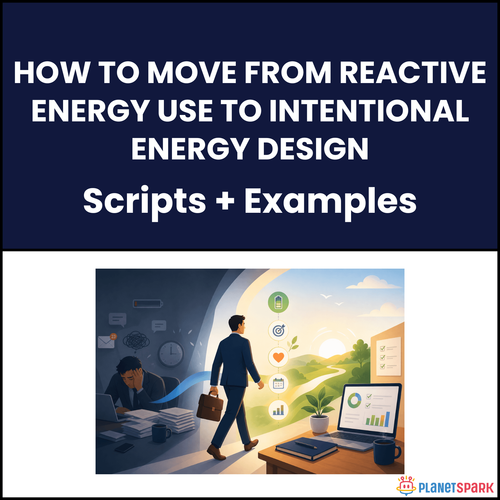

10 Follow-Up Email Templates That Boost Networking, Job Opportunities, and Professional Visibility
You can attend the right events, meet the right people, and even perform well in interviews—but still miss out on opportunities. Why? Because most professionals stop at the interaction. They don’t follow through.
In today’s fast-moving professional environment, people forget quickly. A great conversation without a follow-up becomes a missed opportunity. Worse, many professionals either don’t follow up at all or send generic messages that fail to create any meaningful impression.
The difference between being remembered and being ignored often comes down to one simple skill: effective follow-up communication. When done right, it reinforces your value, builds relationships, and opens doors that would otherwise remain closed.
This is exactly where structured follow-up email templates make a real impact. Instead of struggling to find the right words, you can use proven frameworks to communicate clearly, confidently, and strategically—ensuring every interaction moves your career forward.
Download these resources and apply them alongside your daily work for improved clarity, productivity, and professional growth. You can also book a free trial to gain expert guidance and enhance your communication, problem-solving, and decision-making skills. The materials are designed in a clear, structured format to help professionals learn efficiently and implement insights with confidence.
Who Is This Blog For?
- Job seekers preparing for interviews and networking opportunities
- Career switchers exploring new industries or roles
- Working professionals aiming to build stronger professional relationships
- Freelancers and consultants managing client communication
- Managers and leaders focused on long-term relationship-building
Why This Topic Matters Today?
In a competitive job market, visibility is everything. It’s no longer enough to perform well—you also need to stay top-of-mind.
Professionals who follow up effectively are often perceived as:
- More professional and organised
- Genuinely interested and proactive
- Strong communicators
Yet, many people miss this advantage due to:
- Lack of clarity on what to say
- Fear of sounding pushy
- Over-reliance on generic templates
This creates a gap between effort and outcome. You may be doing the right things—but not communicating them effectively.
Follow-up emails are no longer just a courtesy. They are a strategic career tool that directly influences opportunities, relationships, and growth.
Core Concept or Framework Explained
Effective follow-up communication is built on three core principles.
Structured Communication
Every strong follow-up email follows a simple structure:
- Context or reference point
- Personalised connection
- Value or relevance
- Clear next step
This structure ensures your message is easy to read and purposeful.
Personalisation Over Generic Messaging
Small details create big impact. Referencing a specific conversation, shared interest, or insight immediately differentiates your message from generic outreach.
This transforms your communication from transactional to meaningful.
Timing and Relevance
When you follow up matters just as much as what you say.
- Interview follow-ups should be sent within 24 hours
- Application follow-ups should be sent after 7–10 days
- Proposal follow-ups should be sent after 5–7 business days
Timely communication ensures your message remains relevant and increases the likelihood of a response.
How This Blog and Guidebook Help You?
This blog and the underlying template resource provide:
- Ready-to-use follow-up email frameworks for different scenarios
- Clear timing guidelines for maximum impact
- Proven communication strategies used by professionals and recruiters
- A faster way to write high-quality emails without overthinking
The result is better visibility, stronger relationships, and increased career opportunities.
Step-by-Step Breakdown
Step 1: Post-Interview Thank You
A post-interview follow-up reinforces your professionalism and interest.
Best practices:
- Send your email within 24 hours
- Reference a specific discussion point from the interview
- Reinforce how your skills align with the role
This keeps you fresh in the hiring manager’s mind and strengthens your candidacy.
Step 2: Networking Event Follow-up
After meeting someone at an event, your goal is to build a lasting connection.
What to include:
- Mention where you met
- Refer to your conversation
- Add a genuine compliment or shared interest
- Offer value before asking for anything
Keep the message concise and meaningful.
Step 3: Cold Outreach to Recruiters
Reaching out proactively can unlock hidden opportunities.
Key elements:
- Brief introduction with your experience
- Clear mention of your interest areas
- A concise message under 150 words
Always research the recruiter before sending your message to make it relevant.
Step 4: Application Status Follow-up
If you haven’t heard back, a follow-up shows initiative and interest.
Approach:
- Wait for 7–10 days after applying
- Reaffirm your interest in the role
- Mention something relevant about the company
This demonstrates both patience and enthusiasm.
Step 5: Referral Introduction Response
Referrals can significantly improve your chances of getting opportunities.
What to do:
- Respond within 24 hours
- Thank the referrer
- Introduce yourself clearly
- Suggest a next step such as a short call
Quick and professional responses create a strong first impression.
Step 6: LinkedIn Connection Request
A personalised connection request increases acceptance rates.
Tips:
- Keep it under 300 characters
- Mention a shared context or interest
- Maintain a conversational tone
Avoid sending blank requests—they rarely get accepted.
Step 7: Reconnecting with a Former Colleague
Rebuilding old connections can open unexpected doors.
Best practices:
- Start with a warm and friendly tone
- Share a brief update about yourself
- Suggest a casual catch-up
Focus on genuine connection rather than immediate gain.
Step 8: Informational Interview Request
This is one of the most powerful yet underused career strategies.
Focus on:
- Learning rather than asking for a job
- Asking thoughtful and specific questions
- Respecting the other person’s time
These conversations often lead to insights, referrals, and opportunities.
Step 9: Proposal or Project Follow-up
For freelancers and consultants, follow-ups directly impact conversions.
Key principles:
- Be confident and clear
- Offer flexibility if needed
- Ask for a simple response or decision
Avoid language that sounds apologetic or uncertain.
Step 10: Career Switch Outreach
When entering a new field, credibility and clarity are critical.
Before reaching out:
- Identify your transferable skills
- Research the industry thoroughly
- Clearly explain your motivation
Focus on learning and building relationships rather than immediate results.
Common Mistakes or Pitfalls to Avoid
Many professionals reduce their effectiveness with avoidable mistakes.
Common errors:
- Sending generic, non-personalised emails
- Using vague subject lines
- Apologising unnecessarily
- Asking for too many things in one message
- Following up too frequently without response
A better approach is to:
- Personalise every message
- Keep communication concise and focused
- Maintain a confident and respectful tone
How Should You Use This Guidebook Effectively?
To get maximum value:
- Identify your situation (interview, networking, outreach, etc.)
- Select the appropriate template
- Replace placeholders carefully
- Add at least one personalised detail
- Proofread before sending
Time investment:
- 5–10 minutes per email using templates
- Significant time saved compared to writing from scratch
Make follow-ups a consistent habit rather than a one-time action.
Key Takeaways
- Follow-up emails are a powerful career growth tool
- Personalisation significantly improves response rates
- Timing plays a crucial role in effectiveness
- Structured templates improve clarity and save time
- One clear call to action works best
- Professional tone should be confident, not apologetic
- Consistency in follow-ups builds long-term relationships
Your Next Step: Accelerate Your Career with PlanetSpark
Creating an impact-driven resume is not just about landing your next job—it’s about owning your professional story and presenting it with clarity, confidence, and credibility. When your resume clearly communicates value, results, and impact, opportunities follow naturally.
At PlanetSpark, we are committed to empowering working professionals with practical, outcome-focused resources that drive real career growth. From resume building and workplace communication to leadership presence and professional writing, our programs are designed to help you succeed in today’s fast-evolving job market.
Visit https://www.planetspark.in/resources to explore:
- Career and resume-building guides
- Workplace communication and professional writing resources
- Skill-development tools curated for working professionals
Want a deeper, hands-on experience?
You can also book a free trial session to learn more about PlanetSpark’s Working Professional Courses, designed to accelerate your career through personalised coaching, real-world practice, and expert guidance.
Your career deserves more than generic advice.
It deserves clarity, confidence, and measurable impact.
Start building that advantage today—with PlanetSpark.
Personalized Communication Roadmaps
Record a video to get a AI generated personalized communication reports