
Step-by-Step Guide for Reordering Resume Sections Based on Job Target
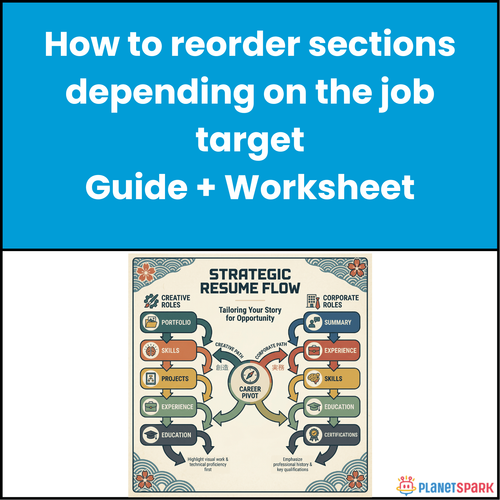

Table of Contents
How to Strategically Reorder Your Resume Sections for Maximum Impact
You have just a few seconds to make a lasting impression on recruiters. With more job applications and less time, hiring managers often skim resumes, deciding within seconds whether they’ll continue reading or move on. The challenge is that most resumes follow a generic structure that may not highlight your strongest qualifications for each unique opportunity. That’s where strategic resume reordering comes in—by thoughtfully prioritizing sections based on your target job, you can significantly increase your chances of getting noticed. This guide teaches you how to optimize your resume’s layout to impress hiring managers instantly.
Who Is This Blog For?
This guide is perfect for professionals in the following situations:
- Career changers with transferable skills looking for new opportunities
- Mid-career professionals aiming for leadership roles
- Job seekers with diverse experience wanting to prioritize the most relevant qualifications
- Recent graduates needing to highlight education and projects over limited work experience
- Consultants and freelancers wanting to showcase a portfolio of work rather than traditional job history.
Why This Topic Matters Today?
The hiring process has evolved, and so has the way resumes are evaluated. Recruiters rely on Applicant Tracking Systems (ATS) and quickly scan resumes for keywords and relevant qualifications. According to studies, nearly 75% of resumes are rejected by ATS before a recruiter even sees them. In this landscape, it’s no longer enough to follow a traditional resume format. You need to make a calculated decision about what information should appear first to grab attention and demonstrate your fit for the job.
Core Concept or Framework Explained
The core idea of strategic resume reordering is aligning your qualifications with the specific job requirements. By asking: "What does this employer need to see first to believe I’m qualified?" you ensure your resume tells a compelling story, with your most important qualifications placed at the forefront. The Three-Question Framework helps guide this decision-making process:
1. What are the must-have qualifications?
2. Where is my strongest alignment with the job?
3. What might raise concerns, and how can I address them?
How This Blog and Guidebook Help You?
This blog will walk you through how to analyze job postings, assess your qualifications, and strategically reorder your resume sections to emphasize the qualifications that matter most for each job. This approach empowers you to present a tailored, impactful resume, no matter what industry or career level you are targeting.
Step-by-Step Breakdown
1. Audit Your Experience
Begin by reviewing your entire career to identify key achievements, skills, and qualifications. This exercise ensures you understand the true value you bring to the table. Look for:
- Projects you've led or contributed to
- Challenges you've overcome and the measurable results
- Skills you’ve mastered and can apply in the target role
2. Identify Key Job Requirements
Carefully analyze job descriptions to identify must-have qualifications such as specific degrees, years of experience, technical skills, and certifications. Make sure the section highlighting these qualifications is given prominence in your resume structure.
3. Reorder Resume Sections Based on Strengths
Use the Three-Question Framework to decide which sections should lead. For instance, if you’re a career changer, leading with your skills or projects may be more relevant than work experience. If you’re applying for a technical role, prioritize your technical skills and key projects over work experience.
4. Tailor Your Professional Summary
The professional summary should always appear at the top, right after your contact information. Use this space to highlight your strongest qualifications and provide a snapshot of your career trajectory, ensuring it aligns with the job requirements.
5. Apply Strategic Section Prioritization
The traditional resume format assumes that your work experience should always lead. However, this isn't always the best approach. For career changers or those with non-linear work histories, leading with skills, education, or key projects may be more effective in showcasing your qualifications.
6. Hybrid Resume Structures for Complex Career Paths
Sometimes, a hybrid structure combining elements of different resume formats works best. For instance:
- Skills + Experience Hybrid: Lead with a robust skills section and follow with relevant work experience
- Relevant Experience First: Divide your work history into "Relevant Experience" and "Additional Experience," with the most pertinent roles appearing first
- Education + Projects: For recent graduates or career changers, leading with education followed by relevant projects is often more impactful than listing work experience first.
Common Mistakes or Pitfalls to Avoid
The guidebook highlights several common mistakes:
- Burying Required Qualifications: Don’t hide key qualifications deep in your resume. Place them near the top.
- Over-Emphasizing Irrelevant Experience: Prioritize the most relevant qualifications over those that are impressive but unrelated to the job.
- Using Non-Standard Formats: Stick with clear, conventional section names and formats to ensure ATS compatibility.
How Should You Use This Guidebook Effectively?
Follow this guide through the following steps:
- Complete the Job Requirements Analysis Worksheet for your target role.
- Rank your resume sections from strongest to weakest based on their alignment with the job’s requirements.
- Reorder your sections and test your new layout.
Key Takeaways
- Reorder your resume based on what hiring managers value most
- Highlight your must-have qualifications early in the document
- Tailor your professional summary to the job you're applying for
- Avoid burying important qualifications and experience deep within the resume
- Use hybrid structures for complex career paths or non-linear experiences.
Your Next Step: Accelerate Your Career with PlanetSpark
Creating an impact-driven resume is not just about landing your next job—it’s about owning your professional story and presenting it with clarity, confidence, and credibility. When your resume clearly communicates value, results, and impact, opportunities follow naturally.
At PlanetSpark, we are committed to empowering working professionals with practical, outcome-focused resources that drive real career growth. From resume building and workplace communication to leadership presence and professional writing, our programs are designed to help you succeed in today’s fast-evolving job market.
Visit https://www.planetspark.in/resources to explore:
- Career and resume-building guides
- Workplace communication and professional writing resources
- Skill-development tools curated for working professionals.
Want a deeper, hands-on experience?
You can also book a free trial session to learn more about PlanetSpark’s Working Professional Courses, designed to accelerate your career through personalised coaching, real-world practice, and expert guidance.
Your career deserves more than generic advice.
It deserves clarity, confidence, and measurable impact.
Start building that advantage today—with PlanetSpark.