
Team Progress Tracking Systems: Manager’s Guide 2026
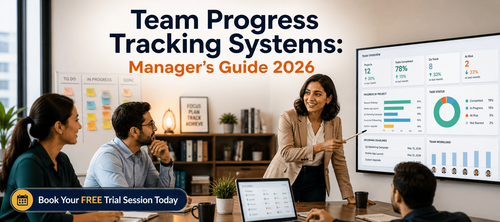

Build a System to Track Team Progress and Outcomes for Better Performance and Accountability
In many workplaces, teams start projects with enthusiasm and clear intentions—but somewhere along the way, deadlines slip, ownership becomes unclear, and results are difficult to measure. The problem is rarely a lack of effort. More often, it’s the absence of a structured system to track progress and outcomes effectively.
Without a reliable tracking framework, even high-performing teams struggle to maintain consistency, accountability, and visibility. Leaders are left guessing whether projects are on track, team members lack clarity on expectations, and reporting becomes reactive instead of strategic.
This is where a well-designed team tracking system becomes essential. By using structured templates and scenario-specific trackers, professionals can move from scattered updates to a clear, repeatable system that ensures every task, milestone, and outcome is visible, measurable, and actionable.
Download these resources and apply them alongside your daily work for improved clarity, productivity, and professional growth. You can also book a free trial to gain expert guidance and enhance your communication, problem-solving, and decision-making skills. The materials are designed in a clear, structured format to help professionals learn efficiently and implement insights with confidence.
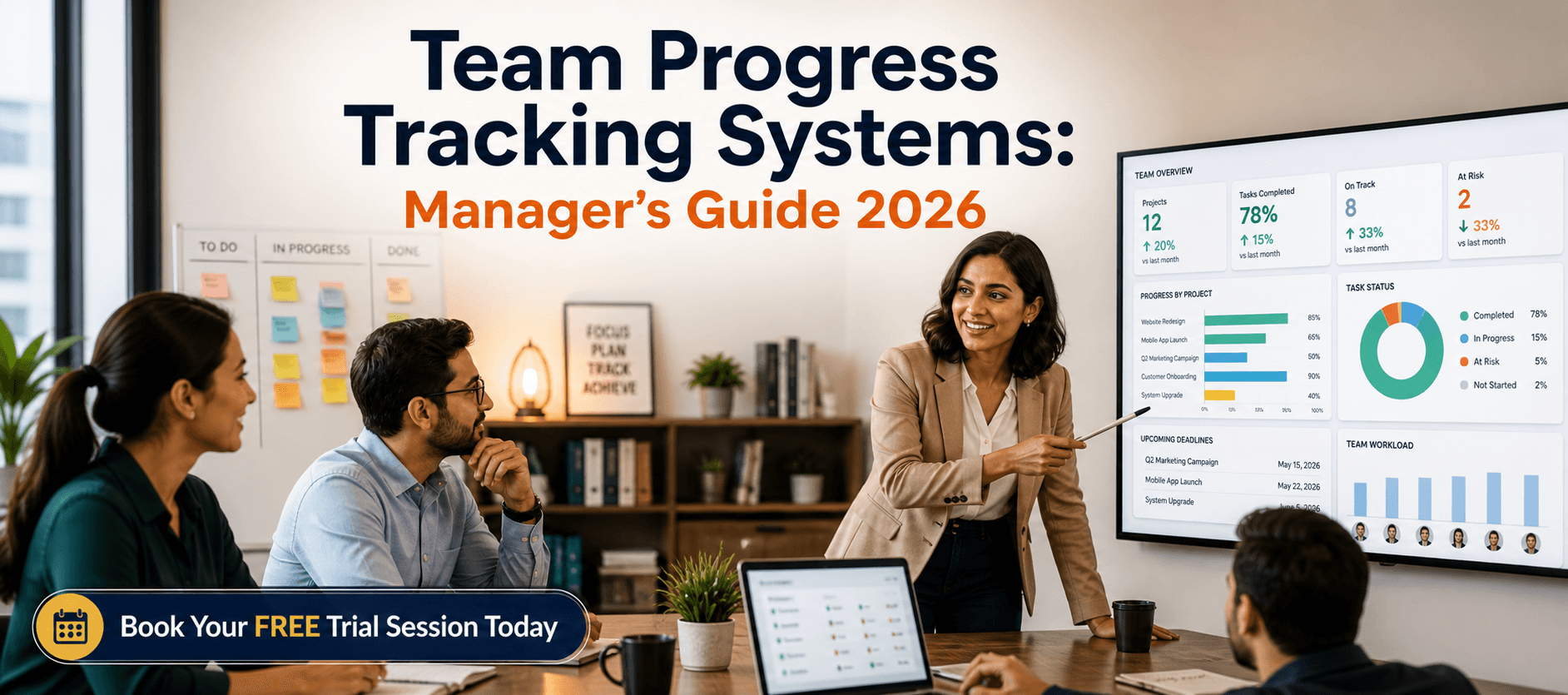
Who Is This Blog For?
- Managers and team leads responsible for monitoring team performance
- Project managers handling complex, cross-functional deliverables
- Consultants and freelancers managing multiple clients or projects
- Senior leaders reporting performance metrics to stakeholders
- Professionals looking to build structured, repeatable workflows
Why This Topic Matters Today?
Tracking team progress is no longer optional—it is a foundational skill for professional success. As highlighted in the resource, without structured tracking systems, deadlines slip silently, accountability becomes unclear, and outcomes cannot be reported with confidence.
Modern work environments demand higher levels of visibility and coordination:
- Teams operate across multiple functions and locations
- Projects involve numerous dependencies and stakeholders
- Performance is increasingly measured through data and outcomes
However, many professionals fall into common traps:
- Treating tracking as an administrative burden instead of a strategic tool
- Failing to define what “done” looks like before starting a project
- Mixing activity metrics with outcome metrics
- Not establishing a consistent update cadence
These mistakes lead to inefficiency, missed targets, and reduced credibility—making structured tracking systems critical.
Core Concept or Framework Explained
A team progress tracking system is more than a spreadsheet—it is a structured framework that captures what is happening, who owns what, and whether outcomes are being achieved.
The framework presented in the guidebook is built on scenario-specific templates designed for real-world use cases. Instead of forcing one generic format across all situations, it provides targeted trackers for different needs.
Each template follows a consistent structure:
- Clear headers defining context, ownership, and timelines
- Task or milestone tracking with status indicators
- Defined accountability through ownership fields
- Progress indicators and risk identification
- A section for outcomes, insights, or next steps
This ensures that tracking is not just about recording activity, but about driving clarity and results.
How This Blog and Guidebook Help You?
This blog and guidebook provide a practical system to bring structure into your team’s workflow. Instead of managing tasks through scattered tools or informal updates, you gain a unified approach to tracking progress and outcomes.
Key benefits include:
- Improved accountability through clear ownership tracking
- Enhanced visibility into project status and risks
- Better decision-making through real-time insights
- Increased team productivity and alignment
- Professional, structured reporting for stakeholders
By implementing these templates, you shift from reactive tracking to proactive performance management.
Step-by-Step Breakdown
Using the Weekly Team Sprint Tracker
This template is ideal for managing weekly workflows or agile sprints. It provides a snapshot of tasks, ownership, and blockers.
Key elements include:
- Sprint goals defined in one clear statement
- Task-level tracking with owner, status, and deadlines
- Health indicators such as completed tasks and blockers
- End-of-week insights including wins and risks
This ensures that teams stay aligned and focused on weekly deliverables.
Tracking Individual Contributor Progress
For managing individual performance, this template provides a structured view of each team member’s output and development.
It focuses on:
- Tracking deliverables and milestone completion
- Recording performance ratings and progress updates
- Documenting development goals and skill growth
- Maintaining a log of 1:1 action items
This helps managers support growth while ensuring accountability.
Managing Cross-Functional Projects
When projects involve multiple teams, visibility becomes critical. This template provides a consolidated view of milestones and dependencies.
It includes:
- Project overview with timelines and stakeholders
- Milestone tracking across departments
- A dependency and risk register
- Escalation triggers for delayed milestones
This prevents misalignment and ensures timely execution.
Creating Client-Facing Reports and OKR Reviews
Templates for client reporting and OKR tracking help professionals communicate progress effectively.
They enable you to:
- Present structured updates to clients or stakeholders
- Track key results against defined targets
- Identify risks and recalibrate priorities
- Maintain professional, concise reporting formats
This strengthens external communication and internal alignment.
Running Remote Team Daily Stand-Ups
For distributed teams, asynchronous tracking replaces live meetings.
This template includes:
- Daily updates from each team member
- Clear focus areas and completed work
- Identification of blockers and support needs
- Availability tracking for better coordination
This ensures consistent communication without time-zone constraints.
Onboarding New Team Members Effectively
The 30-60-90 day tracker helps structure onboarding and early performance tracking.
It focuses on:
- Defining milestones for learning, contribution, and delivery
- Recording manager observations and feedback
- Tracking progress across each phase
- Providing a clear evaluation at the 90-day mark
This creates a strong foundation for new hires.
Managing Freelance and Multi-Client Workloads
For professionals handling multiple clients, this template offers a consolidated view of work.
It includes:
- Tracking project progress and deadlines
- Monitoring billing and invoice status
- Identifying capacity issues
- Documenting client feedback and follow-ups
This improves organisation and workload management.
Conducting Post-Project Outcome Reviews
Closing a project effectively is just as important as executing it.
This template helps:
- Compare planned vs actual outcomes
- Identify what worked and what didn’t
- Analyse root causes of issues
- Define improvements for future projects
This ensures continuous learning and improvement.
Building KPI Dashboard Summaries
For leadership reporting, KPI dashboards provide a structured performance overview.
They include:
- Target vs actual performance metrics
- Trend indicators and status signals
- Narrative insights on achievements and concerns
- Recommendations for leadership action
This supports data-driven decision-making at higher levels.
Common Mistakes or Pitfalls to Avoid
Even with tools in place, tracking can fail if not implemented correctly. Common mistakes include:
- Treating tracking as a low-priority administrative task
- Failing to define clear outcomes before tracking begins
- Overcomplicating trackers with unnecessary data points
- Ignoring regular updates and review cadence
- Not using insights from tracking to make decisions
Avoiding these pitfalls ensures that tracking systems deliver real value.
How Should You Use This Guidebook Effectively?
To get the best results from this guidebook, follow a simple workflow:
- Identify your current tracking need or scenario
- Select the appropriate template from the directory
- Fill in placeholders with real, relevant data
- Convert templates into editable formats like Google Docs
- Review and update regularly based on a defined cadence
Consistency is key. The more regularly you use these templates, the more effective your tracking system becomes.
Key Takeaways
- Tracking team progress is essential for accountability and performance
- Structured systems eliminate ambiguity and improve clarity
- Scenario-based templates provide practical, ready-to-use solutions
- Effective tracking focuses on outcomes, not just activities
- Regular updates and reviews are critical for success
- Strong tracking systems enhance credibility and decision-making
Your Next Step: Accelerate Your Career with PlanetSpark
Creating an impact-driven resume is not just about landing your next job—it’s about owning your professional story and presenting it with clarity, confidence, and credibility. When your resume clearly communicates value, results, and impact, opportunities follow naturally.
At PlanetSpark, we are committed to empowering working professionals with practical, outcome-focused resources that drive real career growth. From resume building and workplace communication to leadership presence and professional writing, our programs are designed to help you succeed in today’s fast-evolving job market.
Visit https://www.planetspark.in/resources to explore:
- Career and resume-building guides
- Workplace communication and professional writing resources
- Skill-development tools curated for working professionals
Want a deeper, hands-on experience?
You can also book a free trial session to learn more about PlanetSpark’s Working Professional Courses, designed to accelerate your career through personalised coaching, real-world practice, and expert guidance.
Your career deserves more than generic advice.
It deserves clarity, confidence, and measurable impact.
Personalized Communication Roadmaps
Record a video to get a AI generated personalized communication reports