
The Ultimate Strategic Planning Template for Professionals

A Professional’s Guide to Strategic Planning: A Step-by-Step Path to Success
Strategic planning is the skill that separates high-performing professionals from those who merely execute tasks. Most professionals are great at getting things done, but few have the framework to decide which tasks should even be done in the first place. This blog introduces a practical, step-by-step guide to strategic planning that can help you align your work, increase efficiency, and advance in your career.
Download these resources and apply them alongside your daily work for improved clarity, productivity, and professional growth. You can also book a free trial to gain expert guidance and enhance your strategic planning, problem-solving, and decision-making skills. The materials are designed in a clear, structured format to help professionals learn efficiently and implement insights with confidence.
Who Is This Blog For?
This blog and the accompanying template are designed for:
- Working professionals who need to develop a structured approach to strategic thinking
- Managers seeking to align their teams around clear, measurable goals
- Consultants building client roadmaps or evaluating business opportunities
- Career changers looking to reposition themselves strategically in a new industry
- Anyone looking to move from a reactive to a proactive approach in their career
Why This Topic Matters Today?
In today’s fast-paced business world, strategy is a necessity, not a luxury. The pressure to execute is constant, but it’s only through strategic planning that you can ensure your efforts are aligned with long-term goals and business outcomes. According to the guidebook, strategic planning is not reserved for C-suite executives but is a foundational skill that applies at every level.
By learning to plan strategically, you can prevent the burnout that comes with reactive work and set yourself up for success through proactive, well-aligned actions.
Core Concept or Framework Explained
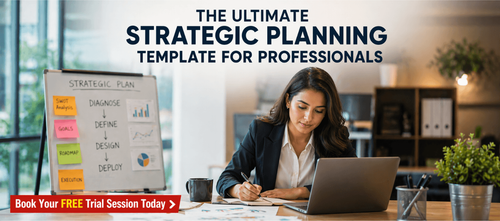
The Strategic Planning Template follows a simple yet effective four-phase model that guides you from understanding where you are now to executing your plan with clear accountability and goals. Each phase builds on the previous one to create a holistic and actionable strategy. The four phases of strategic planning are:
1. Diagnose: Understand where you stand by assessing strengths, weaknesses, opportunities, and threats (SWOT analysis).
2. Define: Translate your ambitions into SMART goals—Specific, Measurable, Achievable, Relevant, and Time-bound.
3. Design: Create a roadmap with strategic initiatives, priorities, and resource allocations.
4. Deploy: Execute, measure, adapt, and keep the strategy aligned through regular reviews and feedback loops.
This structured approach ensures you’re not only setting goals but also creating actionable steps to achieve them.
How This Blog and Template Help You?
Together, this blog and template will help you:
- Diagnose your current position with evidence-based tools like SWOT analysis and stakeholder mapping
- Define clear, measurable, and time-bound goals that guide your strategic direction
- Design a detailed roadmap with actionable initiatives and prioritized goals
- Deploy your strategy through a formal review system that ensures accountability and progress tracking
The result is a strategy that’s not just theoretical but practical, measurable, and adaptable.
Step-by-Step Breakdown
Step 1: Diagnose — Know Where You Stand
The first phase of strategic planning requires radical honesty about your current situation. You can’t plan effectively without a clear, unvarnished picture of where you are. The SWOT analysis is a powerful tool for assessing internal and external factors that affect your strategic decisions. Ask yourself:
- What’s working well right now? List 3–5 specific strengths, including resources, relationships, and track record.
- What is holding you back? Identify your internal constraints—capacity, skill gaps, or systems limitations.
- What external opportunities exist? Look for market shifts, unmet needs, or emerging trends that could benefit you.
- What external threats must you account for? Consider competitors, regulatory changes, or economic shifts that might impact your plan.
Step 2: Define — Set Goals That Actually Mean Something
Once you have a clear diagnosis of where you are, it’s time to define where you want to go. The key here is to avoid vague aspirations like “increase market presence” and replace them with SMART goals:
- Specific: State exactly what you want to achieve.
- Measurable: Define the metric you’ll use—such as revenue growth, headcount increase, or conversion rates.
- Achievable: Set a realistic target, considering your current resources.
- Relevant: Ensure the goal aligns with your broader career or business objectives.
- Time-bound: Assign a specific deadline to track progress.
For example, instead of saying “improve team performance,” define it as “increase team sales by 20% in the next six months.”
Step 3: Design — Build the Strategic Roadmap
This is the heart of strategic planning. Once you have your goals, you need to design a plan that outlines the initiatives required to achieve them. This step involves:
- Prioritizing initiatives: Use tools like the Impact vs. Effort Matrix to determine which initiatives will deliver the highest value with the least effort.
- Creating a timeline: Map out when each initiative will take place and allocate resources accordingly.
- Designing accountability: Assign a clear owner for each initiative and define success metrics to track progress.
A good strategy is not just about saying yes to opportunities but also saying no to non-essential tasks. Keep your roadmap focused on the highest-priority initiatives that will drive the most value.
Step 4: Deploy — Execute, Measure, Adapt
Strategic plans are only as good as their execution. The Deploy phase involves setting up a review rhythm to ensure the strategy stays on track. Establish these pillars:
1. Weekly Check-ins: Track progress on leading indicators, celebrate wins, and surface blockers.
2. Monthly Reviews: Assess progress against goals, identify gaps, and adjust as needed.
3. Quarterly Deep Dives: Re-prioritize initiatives based on new information or shifting context.
4. Annual Reset: Return to the Diagnose phase to reflect on what worked and what didn’t.
Having a formal review rhythm ensures that your strategy doesn’t get overtaken by day-to-day operational urgencies.
Common Mistakes or Pitfalls to Avoid
The guidebook highlights several key mistakes that can derail your strategic planning:
- Skipping the diagnosis: Without a clear understanding of where you currently stand, your strategy is built on shaky ground.
- Setting vague goals: Make sure every goal is specific, measurable, and time-bound.
- Trying to do too much: Strategic planning is about focus. Don’t spread yourself too thin with too many goals.
- Neglecting execution: A great plan means nothing if it’s not executed well. Regular reviews and accountability are key.
How Should You Use This Template Effectively?
To get the most from this template:
- Work through each phase sequentially: Don’t jump ahead. Each phase builds on the previous one.
- Be brutally honest: A weak diagnosis leads to weak strategy. Don’t gloss over areas that need improvement.
- Involve key stakeholders: Share your plan with others to get feedback and ensure alignment.
- Regularly revisit your plan to make adjustments as new data or feedback comes in.
By following this structured approach, you can create a strategic plan that is not just a theoretical exercise but a living document that drives action and results.
Key Takeaways
- Diagnose before you define: Always assess where you are before setting goals.
- SMART goals: Set specific, measurable, achievable, relevant, and time-bound goals.
- Design a focused roadmap: Prioritize initiatives that align with your strategic goals.
- Execute with a rhythm: Regular reviews and progress tracking are critical to success.
- Adapt when necessary: Don’t be afraid to revisit and adjust your strategy as new information becomes available.
Your Next Step: Accelerate Your Career with PlanetSpark
Strategic planning is not just for executives—it’s a skill that every professional should master. When you can plan strategically and execute effectively, you unlock your full potential and drive meaningful progress in your career.
At PlanetSpark, we are committed to empowering working professionals with practical, outcome-focused resources that drive real career growth. From strategic planning and leadership presence to communication and professional writing, our programs are designed to help you succeed in today’s fast-evolving job market.
Visit https://www.planetspark.in/resources to explore:
- Career and business strategy guides
- Leadership development resources
- Skill-building tools curated for working professionals
Want a deeper, hands-on experience?
You can also book a free trial session to learn more about PlanetSpark’s Working Professional Courses, designed to accelerate your career through personalized coaching, real-world practice, and expert guidance.
Your career deserves more than generic advice.
It deserves clarity, confidence, and measurable impact.
Start building that advantage today—with PlanetSpark.
Personalized Communication Roadmaps
Record a video to get a AI generated personalized communication reports