
Top Strategies for Building Personal Systems Across Life Domains
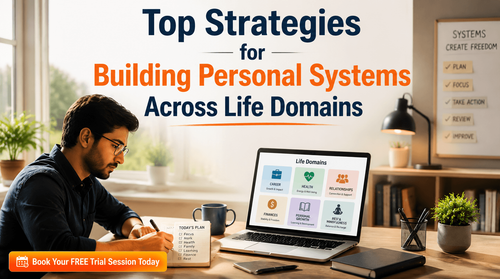

How to prepare Systems for Managing Multiple Life Areas: A Practical Guide for Working Professionals
In today’s fast-paced professional world, most of us juggle multiple roles and responsibilities, whether in career, health, relationships, finances, personal growth, or rest. While this may sound like a recipe for success, the reality is that without a cohesive system to manage these life areas, we often feel overwhelmed, like we’re always reacting rather than proactively managing our time and energy.
The constant "firefighting" across different aspects of life results in unbalanced priorities. Tasks that demand immediate attention often overshadow long-term goals and personal well-being. This is where building systems for managing multiple life areas can make all the difference.
This blog will guide you through a proven system designed to help you stop firefighting and start thriving across all life areas. By implementing structured frameworks and strategies, you’ll be able to achieve balance and success in your career, health, relationships, finances, and personal growth, without burning out.
Download these resources and apply them alongside your daily work for improved clarity, productivity, and professional growth. You can also book a free trial to gain expert guidance and enhance your communication, problem-solving, and decision-making skills. The materials are designed in a clear, structured format to help professionals learn efficiently and implement insights with confidence.
Who Is This Blog For?
Career changers seeking a balanced approach to life and work
Consultants and managers juggling multiple responsibilities
Early and mid-career professionals feeling overwhelmed by competing priorities.
Freelancers and entrepreneurs aiming for sustainable growth without burnout.
Professionals focused on long-term personal development and career success.
Why This Topic Matters Today?
In the modern professional landscape, many professionals feel perpetually behind despite being highly driven. The reason for this is simple—without a clear system in place, it’s easy to neglect important life areas, like health and relationships, in the face of urgent career demands. Research shows that professionals who build comprehensive systems to manage their life areas not only perform better in their jobs but also experience greater fulfillment and work-life balance.
Today, the challenge isn't just about managing time—it’s about managing energy. Each life area demands a different type of energy, and without managing all six, career performance and personal well-being suffer. This guide shows you how to integrate these areas into a seamless system, allowing for consistent, meaningful progress.
Core Concept or Framework Explained
The key to managing multiple life areas effectively is a holistic framework known as the LIFE Systems Framework. This four-stage model helps professionals design and maintain a balanced approach to their personal and professional lives. The stages are:
Layout: Define clear, intentional goals for each life area.
Integrate: Incorporate actions into your weekly routine.
Filter: Protect your time and energy from distractions.
Evaluate: Regularly review and adjust your approach to stay aligned with your goals.
This framework emphasizes the importance of proactive design over reactive behavior. It helps professionals move beyond mere task completion to a more intentional, well-rounded approach to life management.
How This Blog and Guidebook Help You?
This blog is built to give you actionable insights into creating systems for each area of your life. By following the LIFE Framework, you’ll achieve the following:
Clarity in your goals across all life areas
Sustained energy for long-term productivity
Better work-life integration without neglecting personal well-being
Increased focus on high-priority activities, leading to consistent progress
The LIFE Systems Framework ensures that you're always working on what matters most across your life, rather than getting caught in the noise of day-to-day demands.
Step-by-Step Breakdown:
Step 1: Layout
Start by mapping your life areas. Set a 90-day intention for each, such as leading a cross-functional project at work or consistently exercising three times a week. These are your guiding stars for the next quarter.
Step 2: Integrate
Now, integrate these intentions into your weekly schedule. Using Weekly Architecture, allocate specific time blocks to your life areas. Prioritize non-negotiable actions, such as weekly health routines or family check-ins, to ensure consistency.
Step 3: Filter
Protect your time by filtering out low-value distractions. Apply the 3-Filter Decision Rule: Does it serve a 90-day intention? Can someone else do it? What will it displace? This ensures you're only saying yes to what truly aligns with your goals.
Step 4: Evaluate
Regular reviews are crucial for sustaining progress. Perform weekly, monthly, and quarterly reviews to track your progress, adjust your goals, and celebrate wins. Regular check-ins allow you to course-correct early and stay aligned with your objectives.
Common Mistakes or Pitfalls to Avoid
While the LIFE Framework is designed to be adaptable, professionals often fall into common traps:
Neglecting Life Areas: Some areas like relationships or rest may fall through the cracks, leading to burnout. Make sure to allocate time to these areas, treating them with the same importance as career-related tasks.
Overcomplicating the System: Don’t over-schedule. Start small with manageable commitments and build up once consistency is established.
Failure to Adapt: Systems work best when they are flexible. If life changes (new job, health issues), adjust your system accordingly.
How Should You Use This Guidebook Effectively?
To get the most out of this guide:
Complete your Life Area Audit: Identify your strengths and weaknesses in each life area.
Set clear intentions: Write your 90-day intention for each area, keeping them specific and measurable.
Create your Weekly Architecture: Allocate consistent time for non-negotiables in each life area.
Review regularly: Weekly, monthly, and quarterly reviews are essential for keeping your system on track.
Invest about 15 minutes to an hour a week to stay on track with your system, and remember, consistency is key.
Key Takeaways:
Systems outperform willpower in managing multiple life areas.
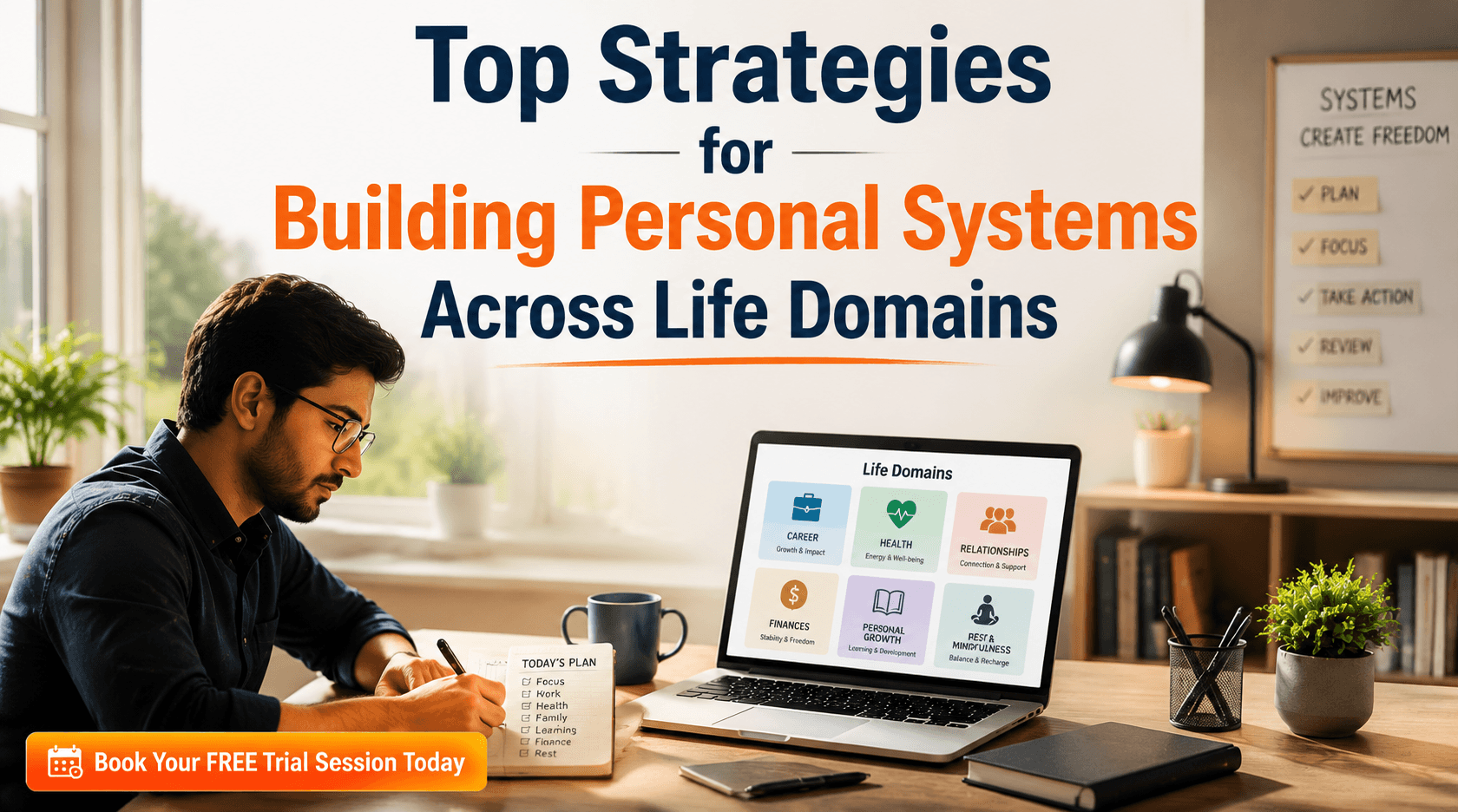
Balancing six life areas—career, health, relationships, finances, growth, and rest—is essential for sustained success.
Energy management is more crucial than time management.
Your Weekly Architecture is your most powerful tool for consistent success.
Regular reviews are vital for course-correction and ensuring alignment with your goals.
Your Next Step: Accelerate Your Career with PlanetSpark
Creating an impact-driven resume is not just about landing your next job—it’s about owning your professional story and presenting it with clarity, confidence, and credibility. When your resume clearly communicates value, results, and impact, opportunities follow naturally.
At PlanetSpark, we are committed to empowering working professionals with practical, outcome-focused resources that drive real career growth. From resume building and workplace communication to leadership presence and professional writing, our programs are designed to help you succeed in today’s fast-evolving job market.
Visit https://www.planetspark.in/resources to explore:
Career and resume-building guides
Workplace communication and professional writing resources
Skill-development tools curated for working professionals.
Want a deeper, hands-on experience?
You can also book a free trial session to learn more about PlanetSpark’s Working Professional Courses, designed to accelerate your career through personalised coaching, real-world practice, and expert guidance.
Your career deserves more than generic advice.
It deserves clarity, confidence, and measurable impact.
Start building that advantage today—with PlanetSpark.
Personalized Communication Roadmaps
Record a video to get a AI generated personalized communication reports