
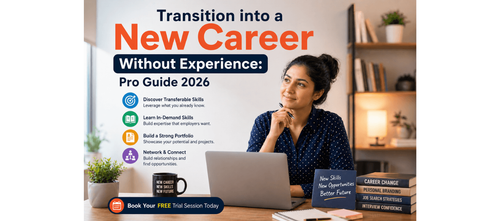
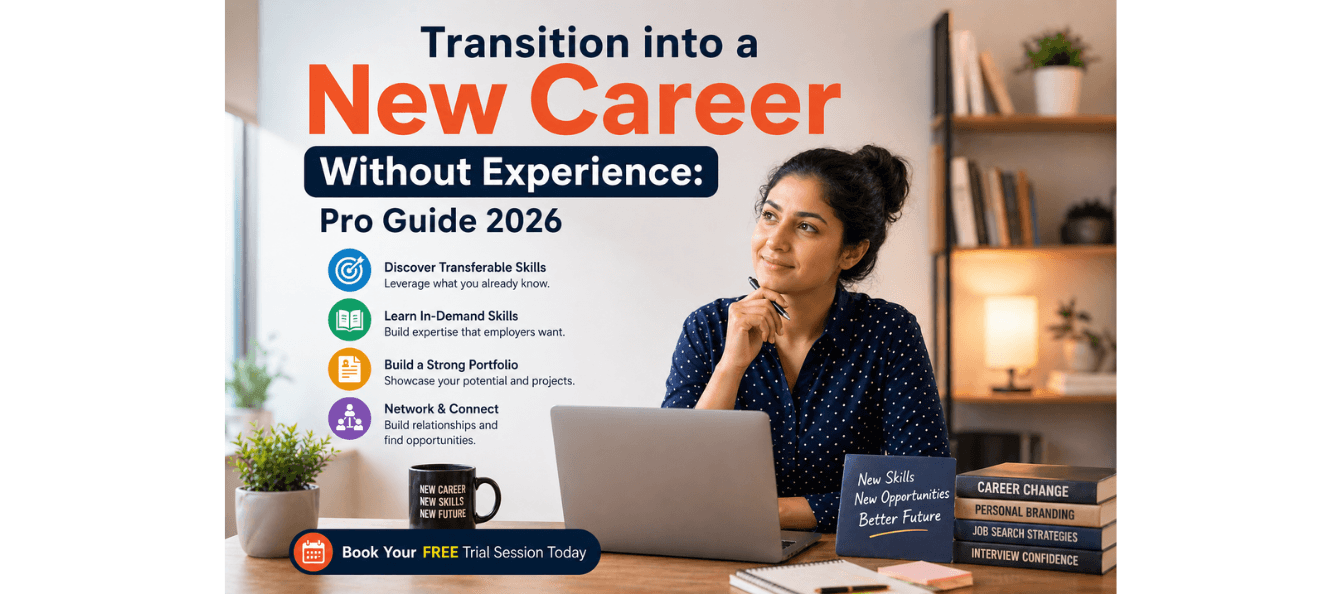
Transition into a New Career Without Experience: Pro Guide 2026

Building a Strong Career Pivot Without Prior Experience: A Step-by-Step Guide to Strategic Career Change
Every year, countless working professionals reach a crossroads in their careers. Despite years of experience, many feel drawn toward a new industry or function. But the burning question remains: how do you transition into a new field without direct experience? The key lies not in acquiring new experience, but in strategically repositioning the skills and experiences you already have.
This guide is designed to help you confidently pivot into a new career—without starting from zero. Whether you're looking to shift industries, change roles, or pursue a different kind of work, this step-by-step playbook will provide you with the frameworks, examples, and actionable insights you need for a successful career change.
Download these resources and apply them alongside your daily work for improved clarity, productivity, and professional growth. You can also book a free trial to gain expert guidance and enhance your communication, problem-solving, and decision-making skills. The materials are designed in a clear, structured format to help professionals learn efficiently and implement insights with confidence.
Who Is This Blog For?
This blog is designed for:
- Professionals looking to pivot into a new industry or role
- Individuals with transferable skills who want to reframe their career narrative
- Mid-career professionals interested in strategic career changes without starting from scratch
- Job seekers targeting positions in different fields but concerned about their lack of direct experience
Why This Topic Matters Today?
The landscape of work is evolving rapidly. Professionals are no longer confined to a single industry or role throughout their careers. In fact, many industries are actively seeking candidates with diverse skill sets and unique perspectives. However, making a successful career pivot still presents a major challenge—particularly the fear of not having direct experience.
Research shows that professionals who approach career transitions strategically, focusing on transferable skills and crafting a compelling narrative, are far more likely to land their next role. Without the right mindset and positioning, career changers risk being overlooked or undervalued.
Core Concept
The concept of career change isn’t about starting from scratch—it’s about repositioning and reframing your existing skills to fit your target industry. The key is strategic positioning.
The playbook emphasizes a shift in mindset, advocating for a focus on transferable skills. By auditing your accomplishments and positioning your experience as an asset rather than a gap, you can demonstrate your unique value to prospective employers.
Real-world frameworks, such as the Career Change Formula and Positioning Mindset, empower professionals to reframe their experience into a compelling narrative that resonates with recruiters and hiring managers.
How This Blog and Guidebook Help You?
This guidebook will help you achieve a successful career pivot by:
- Providing a step-by-step strategy to identify transferable skills
- Offering proven scripts and examples for interviews, LinkedIn, and networking
- Helping you craft a clear, concise narrative that positions you as a strong candidate for your target role
- Guiding you in building a solid foundation with actionable worksheets and real-world case examples
Step-by-Step Breakdown
1. Mindset Reset: Reframing Your Career Change
Before you start writing your resume or applying for jobs, shift your mindset. Stop thinking about your lack of direct experience and start thinking about the unique perspectives you bring to the table. Reframe your transition from "I'm a beginner" to "I offer a valuable skill set and perspective."
2. Conducting a Transferable Skills Audit
Your first action step should be a thorough audit of your accomplishments. Identify your top 10 career achievements—not just job duties but measurable outcomes. Then, map these skills to the requirements of your target roles. This exercise will help you articulate your experience clearly and confidently.
3. Crafting Your Career Change Narrative
Building a narrative that connects your past experience with your future role is crucial. The **Career Change Formula** will guide you in constructing a 30-second pitch that you can use for networking and interviews. This formula helps you articulate why your background is valuable and how your skills translate into your target field.
4. Updating Your LinkedIn Profile
LinkedIn is your primary platform for career changers. Ensure your profile speaks directly to your new target field. This involves rewriting your headline, crafting a compelling "About" section, and reframing past experience to highlight transferable skills. This strategy will help recruiters see your transition clearly.
5. Networking Strategically
Networking is key to career transitions. Use LinkedIn and informational interviews to connect with professionals in your target field. By approaching networking as an opportunity to learn and engage with others in the industry, you’ll build valuable connections and gain insights into your new field.
Common Mistakes
Leading with the Gap: Focus on your strengths first, not what you lack. Lead with confidence, not apology.
Applying Before Preparing: Avoid rushing into applications before refining your narrative. Spend time preparing first.
One-Size-Fits-All Resume: Tailor your resume to each job. Customization significantly increases response rates.
Certifications Without Evidence: Ensure you have tangible proof of your skills, such as case studies or project portfolios, before listing certifications.
How Should You Use This Guidebook Effectively?
To maximize the effectiveness of this guidebook, follow the 30-day action plan outlined in the playbook. The first few weeks are crucial for setting the foundation of your transition, while the final weeks focus on executing your strategy and gaining traction. Here’s a quick breakdown:
Week 1: Complete your transferable skills audit, write your career change narrative, and identify your unique angle.
Week 2: Update your LinkedIn profile, rewrite your resume, and start practicing your elevator pitch.
Week 3: Build your portfolio, send out networking messages, and schedule informational interviews.
Week 4: Submit tailored applications and attend industry events to activate your network.
Key Takeaways
- Reframe your transition as a strength, not a weakness.
- Conduct a thorough skills audit to identify transferable competencies.
- Build a clear, compelling narrative that links your past to your future.
- Update your LinkedIn profile and network strategically to gain visibility.
- Avoid common mistakes like applying too early or using a generic resume.
Your Next Step: Accelerate Your Career with PlanetSpark
Creating an impact-driven resume is not just about landing your next job—it’s about owning your professional story and presenting it with clarity, confidence, and credibility. When your resume clearly communicates value, results, and impact, opportunities follow naturally.
At PlanetSpark, we are committed to empowering working professionals with practical, outcome-focused resources that drive real career growth. From resume building and workplace communication to leadership presence and professional writing, our programs are designed to help you succeed in today’s fast-evolving job market.
Visit https://www.planetspark.in/resources to explore:
- Career and resume-building guides
- Workplace communication and professional writing resources
- Skill-development tools curated for working professionals
Want a deeper, hands-on experience?
You can also book a free trial session to learn more about PlanetSpark’s Working Professional Courses, designed to accelerate your career through personalised coaching, real-world practice, and expert guidance.
Your career deserves more than generic advice.
It deserves clarity, confidence, and measurable impact.
Personalized Communication Roadmaps
Record a video to get a AI generated personalized communication reports