
Building Systems to Recover From Burnout-Induced Career Crises

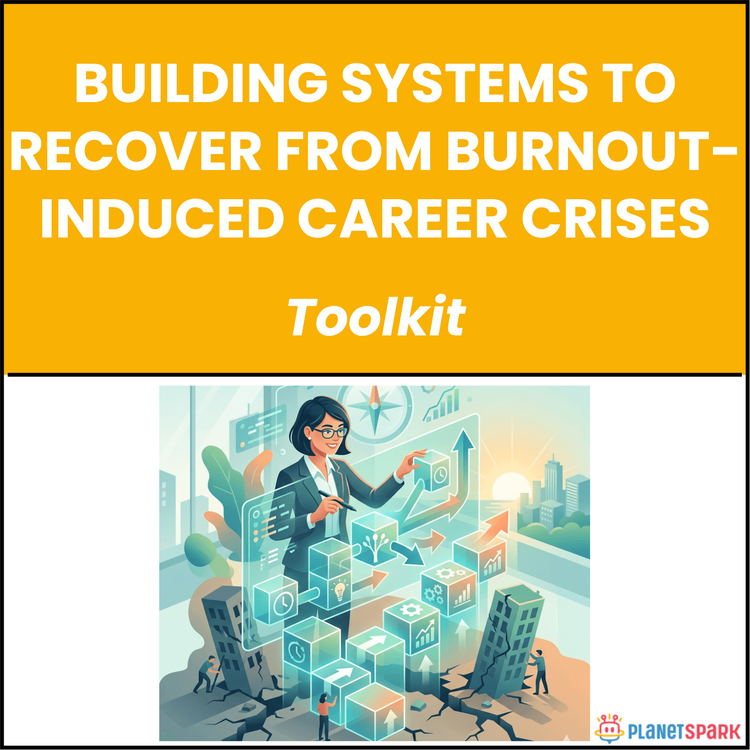
Building Systems to Recover From Burnout-Induced Career Crises
Constructing Sustainable Systems for Recovering From Burnout-Induced Career Crises With Practical Recovery Tools
Burnout rarely appears overnight. It builds slowly through chronic stress, emotional exhaustion, unrealistic workloads, lack of boundaries, and prolonged pressure without recovery.
For many professionals, burnout eventually impacts productivity, confidence, motivation, relationships, and overall career direction. The hardest part is that recovery cannot happen through motivation alone. Sustainable recovery requires systems.
“Building Systems to Recover From Burnout-Induced Career Crises” is a practical toolkit designed to help professionals create structured recovery systems that support long-term stability, productivity, and professional well-being.
Who Is This Resource For?
This toolkit is valuable for:
- Professionals experiencing burnout recovery
- Employees facing chronic stress and exhaustion
- Managers struggling with work-life imbalance
- Professionals recovering after career crises
- Individuals rebuilding healthy work habits
- Consultants and freelancers managing overload
- Professionals seeking sustainable productivity systems
It is designed for professionals who want long-term recovery instead of temporary fixes.
What Does This Resource Contain?
Inside the toolkit, readers can expect:
- Burnout recovery frameworks
- Habit rebuilding systems
- Energy management tools
- Boundary-setting exercises
- Workload evaluation templates
- Stress management structures
- Productivity recovery plans
- Reflection and self-monitoring tools
- Sustainable routine-building worksheets
The toolkit focuses on helping professionals rebuild systems that prevent repeated burnout cycles.
Summary of the Resource
This resource helps professionals recover from burnout by building practical systems for energy management, workload balance, recovery habits, and sustainable productivity. Instead of relying on willpower alone, the toolkit encourages structured approaches that support long-term professional stability and well-being.
It focuses on recovery that is realistic, manageable, and sustainable.
How Will This Resource Be Useful?
Burnout recovery often fails when professionals return to the same unhealthy systems that caused exhaustion in the first place. This toolkit helps break that cycle. Readers can benefit by:
- Rebuilding healthier professional routines
- Improving emotional and mental recovery
- Creating sustainable productivity systems
- Managing stress more effectively
- Preventing repeated burnout patterns
- Improving focus and consistency
- Restoring long-term professional balance
The toolkit helps transform recovery into a structured and repeatable process.
How Should You Use This Resource?
Step 1: Assess Your Current Burnout Triggers
Identify patterns contributing to stress and exhaustion.
Step 2: Focus on Recovery Before Optimization
Stabilization should come before high performance goals.
Step 3: Build Small Sustainable Systems
Simple routines are easier to maintain consistently.
Step 4: Use the Templates Regularly
The toolkit becomes more effective through consistent use.
Step 5: Review Progress Frequently
Observe which systems improve energy and productivity.
Step 6: Adjust Based on Realistic Capacity
Recovery systems should support sustainability, not perfection.
Action Steps
- Identify your biggest burnout triggers
- Create daily recovery routines
- Set realistic workload boundaries
- Track energy and stress patterns
- Build healthier work habits gradually
- Review progress weekly
- Prioritize long-term sustainability over short-term intensity
Burnout recovery is not about becoming productive again as quickly as possible. It is about rebuilding a healthier and more sustainable professional foundation. This toolkit helps professionals create systems that support both career growth and long-term well-being.