
Creating a Feedback System for Improving Cross-Cultural Work

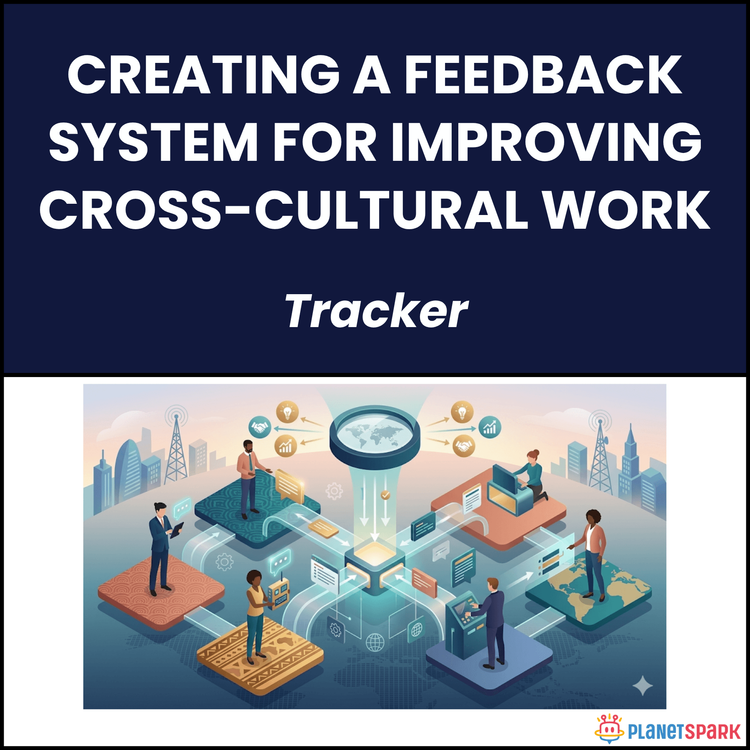
Creating a Feedback System for Improving Cross-Cultural Work
Recognizing Feedback Styles Across Different Workplace Cultures
If you’ve ever walked out of a feedback conversation thinking, “That didn’t land the way I expected,” you’re not alone.
In multicultural workplaces, one of the biggest professional risks isn’t lack of expertise—it’s communication breakdown caused by cultural assumptions.
A comment meant as constructive can feel disrespectful. Silence can be mistaken for agreement. Directness can be interpreted as aggression. Indirectness can be misread as lack of confidence.
And here’s the uncomfortable reality: most professionals are trained to give feedback, but very few are taught how to give feedback across cultures.
That’s exactly why the resource Creating a Feedback System for Improving Cross-Cultural Work exists. It helps working professionals build a structured, repeatable feedback system that actually works across diverse teams, global clients, and multicultural workplaces.
Who Is This Resource For?
This resource is designed for professionals working in increasingly global and culturally diverse environments.
It’s especially useful for:
- Managers leading multicultural teams across locations
- Consultants working with international clients and stakeholders
- Career switchers entering global organisations
- Early-to-mid career professionals navigating cross-functional teams
- Team leads responsible for performance conversations
- Professionals working remotely with colleagues across countries and time zones
If your work involves people from different communication styles, cultural norms, or workplace expectations, this tracker is built for you.
What Does This Resource Contain?
This is not another generic communication guide. It’s a practical feedback system designed for real workplace application.
Inside the resource, you’ll find:
- A foundational framework explaining why traditional feedback methods often fail in multicultural environments
- Cultural awareness exercises to help you identify your own communication defaults
- Practical frameworks based on directness, hierarchy, face-saving, accountability, and communication timing preferences
- A four-pillar feedback architecture covering cadence, channel, format, and follow-through
- A Cultural Dimensions Worksheet to prepare for important feedback conversations
- Three adaptable feedback delivery modes for different cultural contexts
- Pre-interaction checklists to improve preparation before difficult conversations
- Post-interaction reflection tools to capture lessons and improve over time
- Real-world case studies showing how professionals successfully improved team communication
- Common mistakes and practical fixes to avoid cultural communication breakdowns
The visual framework on page 3 clearly maps core cultural dimensions such as directness, power distance, face-saving, and individual versus collective accountability, helping readers apply theory in real workplace situations.
Summary of the Resource
Creating a Feedback System for Improving Cross-Cultural Work is a practical communication tracker that helps professionals give, receive, and act on feedback more effectively across cultural boundaries.
Instead of relying on one-size-fits-all feedback models, this resource helps you build a personalised communication system that improves trust, reduces misunderstandings, and strengthens collaboration in global work environments.
If you’re short on time, here’s the core takeaway: this guide helps you stop guessing how to communicate across cultures—and start doing it with structure and confidence.
How Will This Resource Be Useful?
This resource helps solve one of the most expensive hidden problems in modern workplaces: cultural miscommunication.
By applying this system, you can:
- Build stronger trust with international colleagues and clients
- Avoid common feedback mistakes that damage relationships
- Increase clarity in difficult performance conversations
- Improve team alignment across geographies
- Reduce communication friction in remote or hybrid teams
- Build a leadership style that works across cultural boundaries
Perhaps most importantly, it helps you become the kind of professional who can lead effectively anywhere—not just in familiar environments.
How Should You Use This Resource?
To get maximum value, use this resource as a working system—not passive reading material.
Step 1:
Complete the cultural awareness baseline exercise to identify your communication style and feedback defaults.
Step 2:
Map your key professional relationships using the Cultural Dimensions Worksheet.
Step 3:
Design your feedback system architecture by defining cadence, communication channels, delivery style, and follow-up expectations.
Step 4:
Before important feedback conversations, use the pre-interaction checklist to prepare intentionally.
Step 5:
Select the most appropriate feedback delivery mode based on the cultural context.
Step 6:
After each important interaction, complete the reflection template and capture what worked, what didn’t, and what needs adjustment.
Repeat this process consistently, and your communication effectiveness compounds over time.
Action Steps
After accessing this resource, take these steps immediately:
1. Identify your top 3 multicultural workplace relationships
2. Complete the cultural baseline assessment honestly
3. Fill out the Cultural Dimensions Worksheet for each person
4. Choose one upcoming feedback conversation to apply the framework
5. Use the post-interaction reflection template immediately afterward
6. Start building your personal cross-cultural feedback log
Small changes in how you deliver feedback can create major improvements in trust, team performance, and leadership credibility.
Cross-cultural communication isn’t about memorising stereotypes or becoming an expert in every culture. It’s about becoming highly adaptable, deeply aware, and consistently intentional in how you communicate with others.
Use this resource to build feedback habits that don’t just improve conversations—they improve careers, teams, and professional relationships across borders.