
Creating a Personal Energy Budget for Daily Activities

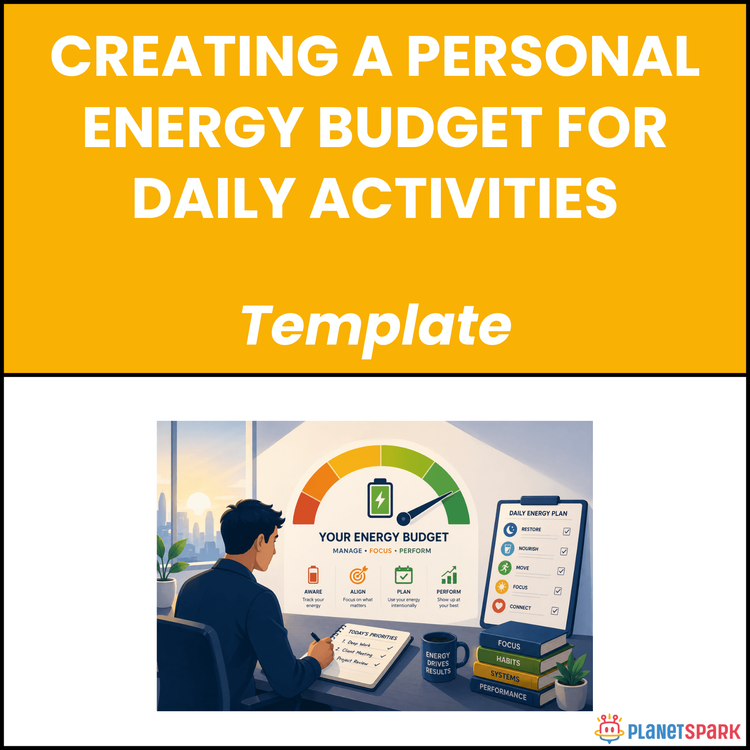
Creating a Personal Energy Budget for Daily Activities
Designing a Personal Energy Plan for Daily Tasks: A Practical Framework for Professionals
In today’s fast-paced work environment, it’s not just about how much time you spend working—it's about how you manage your energy. Most productivity systems focus on scheduling and time management, but the truth is, time is fixed, and energy is the most valuable resource you have. If you’re finding yourself drained despite managing your time well, it may be time to rethink how you allocate your energy across the day. The "Creating a Personal Energy Budget for Daily Activities" resource offers a complete system to help you understand, manage, and optimize your energy for sustainable high performance.
Who Is This Resource For?
This resource is for professionals who:
- Are struggling with fatigue despite having structured workdays
- Want to perform at their best without burning out
- Are career switchers, managers, consultants, or early- to mid-career professionals
- Need a structured way to track and manage their energy
If you're ready to make energy the focus of your performance strategy and ensure that you work with your natural energy rhythms, this guide is for you.
What Does This Resource Contain?
This resource offers a structured, science-backed framework to optimize your energy throughout the day. Key components include:
- The Four Energy Quadrants: Understand the four distinct types of energy—physical, mental, emotional, and motivational—and how each impacts your performance.
- Energy Audit: A self-assessment to track where your energy is currently going, identify activities that drain it, and uncover what restores it.
- Personal Energy Rhythm Mapping: Learn how to map your energy peaks and troughs throughout the day, and schedule your most demanding tasks during high-energy periods.
- The GIPR Framework: A personalized approach to energy management using Generate, Invest, Protect, and Recover as your daily operating system.
- Daily Energy Rituals: Simple, repeatable behaviors that you can implement into your daily routine to ensure consistent energy restoration and protection.
By applying this framework, you will be able to design a workday that aligns with your energy levels, leading to more productive and fulfilling work.
Summary of the Resource
The concept of managing your energy is simple but powerful. This resource introduces the Personal Energy Budget, where you allocate your energy just like money in a budget. By tracking where your energy goes and designing a daily rhythm that balances high-demand work with recovery time, you can perform sustainably without burning out. With the GIPR framework, you learn how to generate energy, invest it wisely, protect it from unnecessary drains, and recover effectively throughout the day.
How Will This Resource Be Useful?
By using this resource, you will:
- Manage your energy more effectively, reducing burnout and increasing productivity
- Understand the four types of energy and how they affect your work and life
- Learn how to balance your energy between tasks that generate and those that invest your resources
- Build a daily rhythm that aligns with your energy flow, ensuring that you’re at your best when it counts
- Implement energy-boosting rituals that fit into your workday without additional strain
How Should You Use This Resource?
To get the most out of this resource, follow these steps:
1. Conduct Your Energy Audit: Complete the Energy Audit worksheet at the end of a typical workweek. Rate your activities based on their energy cost and value, and identify which tasks drain your energy.
2. Map Your Personal Energy Rhythm: Identify your peak and trough energy periods using the Energy Rhythm Mapping worksheet. Use this to schedule your most demanding work during your peak energy times.
3. Build Your Personal Energy Budget: Apply the GIPR framework by allocating your energy into four categories: Generate, Invest, Protect, and Recover. Make sure you’re balancing high-investment tasks with energy-generating activities.
4. Design Daily Energy Rituals: Implement simple rituals to maintain energy throughout the day. Schedule breaks, movement, and recovery time strategically, based on your energy rhythm.
5. Track Progress and Refine: Regularly check your energy levels using the Weekly Energy Tracking Sheet and refine your budget based on what works best for you.
Action Steps
Here’s what you can do right now to start optimizing your energy:
1. Complete the Energy Audit to understand where your energy is currently going.
2. Map your energy rhythm for the next week to understand when your peak and trough periods occur.
3. Design your personal energy budget using the GIPR framework and allocate your energy accordingly.
4. Implement daily energy rituals to ensure energy protection and recovery throughout your workday.
5. Track your energy levels over the next week using the Weekly Energy Tracking Sheet to assess progress and make adjustments.
By using these steps, you can create a system that allows you to perform at your best every day while safeguarding your energy.
Your Next Step: Start by conducting your Energy Audit today and begin mapping your Personal Energy Rhythm for a more focused and balanced workweek.
Book your free session today!