
Designing Personal Systems for Emotional Recovery During Career Setbacks

Designing Personal Systems for Emotional Recovery During Career Setbacks
Developing Personal Systems for Emotional Recovery During Challenging Career Setbacks
Career setbacks affect more than professional progress. They often impact emotional stability, confidence, motivation, identity, and overall well-being. Whether the setback involves burnout, job loss, rejection, failed transitions, or prolonged uncertainty, emotional recovery rarely happens automatically.
Many professionals try to “push through” difficult periods without building systems that support emotional recovery. Over time, this can lead to exhaustion, self-doubt, and long-term disengagement.
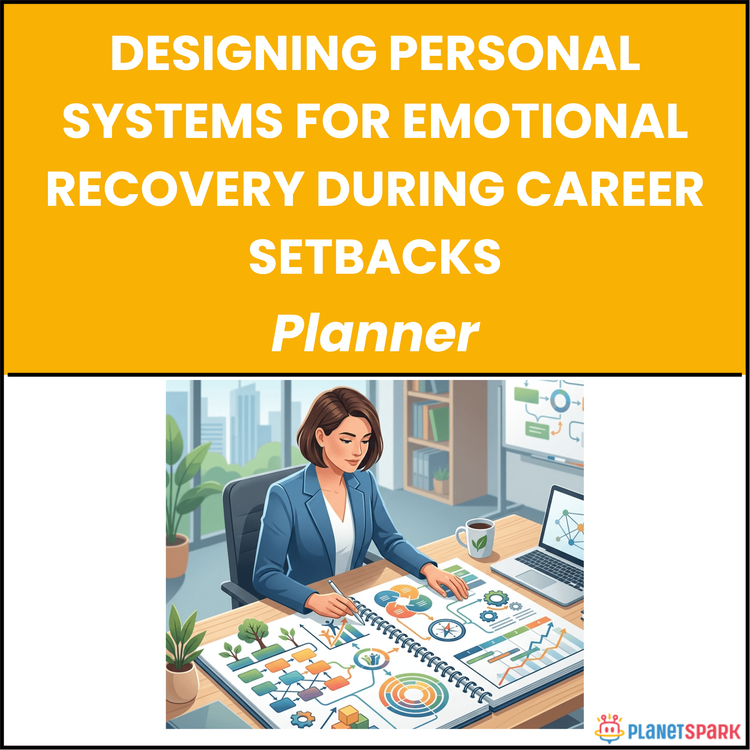
“Designing Personal Systems for Emotional Recovery During Career Setbacks” is a practical planner created to help professionals build healthy emotional support systems during periods of career disruption and rebuilding.
Who Is This Resource For?
This planner is especially useful for:
- Professionals recovering from burnout
- Individuals facing career uncertainty
- Job seekers struggling with rejection fatigue
- Professionals recovering after layoffs or failed transitions
- Career switchers managing emotional overwhelm
- Individuals rebuilding confidence after setbacks
- Professionals seeking healthier coping systems
It is designed for professionals who want structured emotional recovery instead of reactive survival patterns.
What Does This Resource Contain?
Inside the planner, readers can expect:
- Emotional recovery planning frameworks
- Reflection and journaling prompts
- Stress management planning sections
- Emotional trigger identification exercises
- Self-care and recovery habit trackers
- Routine-building templates
- Mental reset planning worksheets
- Boundary-setting exercises
- Emotional resilience development tools
The planner focuses on helping professionals create sustainable emotional recovery systems that support long-term well-being and professional stability.
Summary of the Resource
This resource helps professionals design structured emotional recovery systems during difficult career periods. Instead of relying only on motivation or temporary coping methods, the planner encourages intentional routines, reflection, self-awareness, and sustainable recovery habits.
It supports emotional resilience while helping readers rebuild stability and clarity.
How Will This Resource Be Useful?
Emotional exhaustion often affects decision-making, productivity, confidence, and career momentum. This planner helps professionals manage recovery more intentionally. Readers using this resource can:
- Build healthier emotional recovery systems
- Improve stress management
- Reduce emotional overwhelm
- Develop stronger self-awareness
- Create healthier daily routines
- Improve long-term resilience
- Support career rebuilding with emotional stability
The planner helps professionals approach recovery with structure, consistency, and greater emotional clarity.
How Should You Use This Resource?
Step 1: Assess Your Emotional Recovery Needs
Identify the emotional patterns and stressors affecting your well-being.
Step 2: Build Small Sustainable Systems
Focus on routines that are realistic and easy to maintain consistently.
Step 3: Use Reflection Prompts Regularly
Consistent reflection improves emotional awareness and recovery.
Step 4: Track Emotional Patterns
Observe what improves or worsens emotional balance over time.
Step 5: Prioritize Recovery Without Guilt
Emotional recovery is part of professional rebuilding, not a distraction from it.
Step 6: Adjust Systems Based on Progress
Your recovery needs may evolve as your situation changes.
Action Steps
- Create a daily emotional recovery routine
- Identify major stress triggers
- Build healthy boundary systems
- Schedule regular reflection time
- Track emotional energy patterns
- Practice consistency over perfection
- Revisit and improve your systems monthly
Career setbacks can feel deeply personal, but recovery becomes more manageable when emotional well-being is supported intentionally. This planner helps professionals create healthier systems that support both personal recovery and long-term professional growth.