
Diagnosing Brand Inconsistency Across Different Platforms

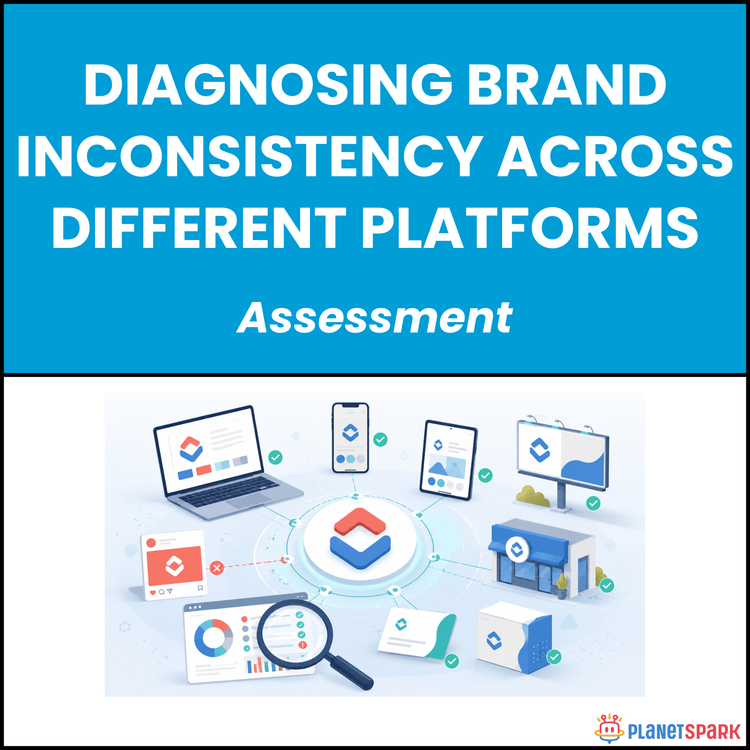
Diagnosing Brand Inconsistency Across Different Platforms
Brand Consistency Assessment Template Pack: Diagnose and Fix Brand Inconsistency Across Platforms
Brand inconsistency is easy to miss until it starts damaging trust.
A logo looks slightly different on LinkedIn than it does on the website. A brand sounds polished in email but overly casual on Instagram. A new platform launches with the wrong colours, outdated messaging, or no clear approval process. Individually, these issues may seem small. Together, they create confusion, weaken credibility, and make a brand feel less professional than it should.
That is exactly why the Diagnosing Brand Inconsistency Across Different Platforms template pack was created.
This resource gives professionals a structured way to audit, diagnose, document, prioritise, and resolve brand inconsistency across digital and physical touchpoints. Instead of relying on opinion, memory, or scattered notes, you get 10 ready-to-use templates designed to turn brand consistency assessment into a clear, repeatable process.
Whether you are managing a brand internally, supporting clients as a consultant, preparing for a rebrand, or launching a brand on a new platform, this pack helps you move from “something feels off” to “here is the issue, here is the cause, and here is what we need to fix first.”
Who Is This Resource For?
This brand consistency template pack is especially useful for professionals who are responsible for how a brand appears, sounds, and performs across multiple channels.
It is ideal for:
- Marketing managers who need to audit brand consistency across websites, social media, email, and print materials
- Brand managers who want a structured system for monitoring compliance with brand guidelines
- Consultants and freelancers conducting brand audits or onboarding new clients
- Social media managers who need to align platform content with brand standards
- Startup and growth teams expanding into new channels and wanting to avoid inconsistent brand execution
- Managers preparing for or reviewing a rebrand, brand refresh, merger, or repositioning exercise
- Agencies that need professional templates to document findings, prioritise fixes, and present recommendations clearly
This resource is also useful for early-career professionals who want to build practical brand strategy skills. It shows how real brand audits are structured, what to look for, and how to turn observations into actionable next steps.
What Does This Resource Contain?
The pack includes 10 scenario-driven templates. Each one addresses a specific brand inconsistency challenge, so you can use the full pack as an end-to-end system or select the template that fits your immediate need.
1. Cross-Platform Visual Identity Audit
This template helps you assess whether a brand’s visual identity is consistent across platforms.
It covers:
- Logo usage and placement
- Primary and secondary colours
- Typography
- Iconography and illustration style
- Photography style
- Layout, spacing, and white space
It also includes a platform-by-platform visual consistency matrix, a scoring section, and an auditor summary note. This is a strong starting point when you need to identify where the brand looks different across channels.
2. Brand Voice and Tone Inconsistency Log
Visual consistency is only one part of brand consistency. This template focuses on how the brand sounds.
It helps you review written content across channels such as websites, social media, newsletters, email campaigns, and sales collateral. You can document content samples, identify tone deviations, assess severity, and record the root cause of voice inconsistency.
This is useful when a brand feels professional in one place but too casual, too formal, too technical, or off-message somewhere else.
3. Social Media Brand Alignment Scorecard
This scorecard helps you evaluate each social media platform against defined brand standards.
It includes criteria such as:
- Profile and cover image
- Bio or about copy
- Post visual style
- Caption tone of voice
- Hashtag strategy
- Link-in-bio or CTA alignment
Each criterion is scored from 1 to 5, with a total compliance percentage and status rating. This makes it easier to run monthly checks or pre-campaign audits without relying on vague judgement.
4. Multi-Stakeholder Brand Perception Survey
Brand inconsistency is not always visible only to the marketing team. Sometimes customers, partners, internal teams, and clients notice gaps that the brand team misses.
This survey template helps gather feedback from both internal and external stakeholders. It includes questions on logo recognition, visual consistency, brand colour recall, tone, messaging, and perceived professionalism.
Use this when you want to compare intended brand identity with how the brand is actually experienced by others.
5. Brand Inconsistency Root Cause Analysis
Fixing a brand issue on the surface does not always solve the real problem.
This template helps trace inconsistencies back to their root causes, such as:
- Lack of brand training
- No clear brand owner
- Weak approval workflows
- Outdated asset libraries
- External vendors using old materials
- Brand guidelines that do not cover newer platforms
It helps teams move beyond “replace the logo” and identify why the wrong logo was used in the first place.
6. New Platform Brand Readiness Checklist
Before launching a brand on a new platform, this checklist helps ensure everything is ready from day one.
It covers:
- Platform-specific logo files
- Profile and banner assets
- Content templates
- Bio and messaging
- Hashtags, handles, links, and CTAs
- Governance, access, approvals, and sign-off
This is especially useful when launching on a new social channel, app store, marketplace, podcast platform, or directory.
7. Post-Rebrand Consistency Verification Report
After a rebrand, it is common for old assets to remain live in unexpected places.
This report helps verify that active platforms have been updated with the new brand identity. It checks whether old branding has been removed, new logos and colours have been applied, and copy or tagline updates are complete.
It is designed for the 30- to 90-day period after a brand refresh or full rebrand.
8. Client Brand Health Assessment
This consultant-focused template is designed for discovery calls and new client onboarding.
It helps consultants and freelancers assess:
- Whether the client has a current brand guide
- Who owns brand governance
- How many people create branded content
- Which platforms are active
- Who manages each platform
- Immediate red flags
- Recommended audit priorities
- Proposed next steps
This template is especially valuable for turning a discovery conversation into a structured project scope.
9. Brand Inconsistency Prioritisation Matrix
Not every inconsistency should be fixed at the same time.
This matrix helps rank issues by business impact and effort required. It separates quick wins from strategic fixes, minor tasks, and low-priority items that can be deprioritised.
The matrix helps professionals build a realistic remediation roadmap instead of trying to fix everything at once.
10. Brand Standards Compliance Tracker
This ongoing tracker helps monitor brand compliance over time.
It scores each platform across five criteria:
- Logo
- Colour
- Typography
- Tone of voice
- Messaging accuracy
The tracker also includes period-over-period progress tracking, overall brand health score, most improved platform, most urgent platform, and an executive summary note. It is ideal for monthly or quarterly reporting to clients, leadership, or internal stakeholders.
Summary of the Resource
The Diagnosing Brand Inconsistency Across Different Platforms template pack is a practical system for identifying where a brand is inconsistent, understanding why the inconsistency exists, and deciding what to fix first.
It is not just a set of visual audit sheets. It covers the full brand experience, including visuals, voice, messaging, stakeholder perception, social media alignment, rebrand verification, platform readiness, root cause analysis, prioritisation, and ongoing compliance tracking.
For someone short on time, the value is simple: this resource helps you run a more professional brand consistency assessment without building your own audit process from scratch.
You can use it to:
- Find inconsistencies across platforms
- Document evidence clearly
- Score brand alignment
- Identify root causes
- Prioritise fixes
- Prepare client or leadership reports
- Track progress over time
- Prevent future inconsistencies before they happen
How Will This Resource Be Useful?
Brand inconsistency often feels like a design issue, but this pack correctly treats it as a systems issue.
A brand becomes inconsistent when teams lack shared guidelines, when assets are stored in too many places, when approval workflows are unclear, or when different people interpret the brand differently. This resource helps make those problems visible and actionable.
Here is how it can help in real work situations.
It brings structure to brand audits
Instead of reviewing platforms casually and making scattered notes, you get clear fields, matrices, checklists, and scoring systems. This makes the audit easier to complete and easier to explain to others.
It improves decision-making
The prioritisation matrix helps you decide which issues matter most. High-impact, low-effort fixes can be addressed quickly, while more complex problems can be planned properly.
It strengthens professional communication
The templates give you a more credible way to present findings to managers, clients, agencies, or leadership teams. Instead of saying “the brand feels inconsistent,” you can show exactly where the inconsistency appears, why it matters, and what action is recommended.
It helps prevent repeated mistakes
The root cause analysis and compliance tracker help teams avoid fixing the same issue again and again. By identifying process gaps, asset gaps, and ownership gaps, the resource supports longer-term brand governance.
It supports better rebrand execution
The post-rebrand verification report helps ensure that new brand assets are applied consistently after launch. This reduces the risk of old logos, outdated taglines, or previous visual styles remaining live.
It helps consultants scope projects clearly
Consultants and freelancers can use the client brand health assessment to guide discovery calls, identify red flags, and recommend next steps with confidence.
It saves time
Professionals do not need to design their own audit tools from zero. The structure is already built. You only need to duplicate the template, replace the placeholder text, complete each section, and apply the findings.
How Should You Use This Resource?
The best way to use this pack depends on your role and the brand challenge you are solving.
If You Need a Full Brand Consistency Audit
Use the templates in sequence.
Start with discovery and evidence gathering:
1. Complete the Cross-Platform Visual Identity Audit.
2. Complete the Brand Voice and Tone Inconsistency Log.
3. Use the Multi-Stakeholder Brand Perception Survey if you need feedback from internal or external audiences.
Then move into diagnosis:
4. Use the Social Media Brand Alignment Scorecard to rate social platforms.
5. Use the Brand Inconsistency Root Cause Analysis to understand why problems are happening.
Next, plan the fixes:
6. Use the Brand Inconsistency Prioritisation Matrix to rank issues by impact and effort.
7. Turn the highest-priority items into an action plan.
Finally, monitor progress:
8. Use the Brand Standards Compliance Tracker monthly or quarterly.
If You Are a Consultant or Freelancer
Start with the Client Brand Health Assessment during your discovery call. Use it to understand the client’s current brand systems, active platforms, asset management, and governance structure.
Then select the most relevant audit templates based on what you find. For example, if the client has inconsistent visuals, use the Cross-Platform Visual Identity Audit. If their messaging changes across channels, use the Brand Voice and Tone Inconsistency Log. If they need a roadmap, use the Brand Inconsistency Prioritisation Matrix.
This approach helps you move from discovery to proposal with clear evidence.
If You Are an In-House Marketing or Brand Team
Begin with Templates 01 to 03 to establish a baseline view of current brand consistency.
Then use the Root Cause Analysis template to identify why inconsistencies are happening. Once the main issues are fixed, use the Brand Standards Compliance Tracker as an ongoing reporting tool.
This is especially helpful if you need to report brand health to leadership or coordinate multiple teams that create branded content.
If You Are Launching a New Platform
Use the New Platform Brand Readiness Checklist before anything goes live.
Complete the visual asset, copy and messaging, and governance readiness sections. Make sure sign-off is completed before publishing the first post, profile, listing, or campaign.
This prevents small setup mistakes from becoming long-term brand problems.
If You Have Recently Completed a Rebrand
Use the Post-Rebrand Consistency Verification Report within 30 to 90 days of launch.
Check every active platform and touchpoint to confirm that old assets have been removed and new identity elements are live. Record outstanding issues, assign owners, and set deadlines.
Action Steps
To get the most value from this resource, do not simply download it and file it away. Use it as a working tool.
Here are the next steps to take:
1. Choose the brand, client, or platform you want to assess first.
2. Locate the most current brand guidelines, tone-of-voice guide, logo files, colour palette, and messaging documents.
3. List every platform or touchpoint that needs to be reviewed, including website, social media, email, sales collateral, internal decks, and print materials.
4. Start with the template that matches your immediate problem. For a broad audit, begin with the Cross-Platform Visual Identity Audit. For a client discovery call, begin with the Client Brand Health Assessment.
5. Capture specific evidence. Include platform names, examples, dates, screenshots where useful, and clear notes.
6. Score or categorise each issue using the template’s framework.
7. Identify the root cause behind recurring inconsistencies.
8. Use the prioritisation matrix to decide what should be fixed first.
9. Assign owners, deadlines, and next review dates.
10. Revisit the compliance tracker monthly or quarterly to monitor improvement.
The most important step is to turn findings into action. A brand audit only becomes valuable when it leads to clearer ownership, better systems, and more consistent execution.
Brand consistency is not about making every platform look identical. It is about making every touchpoint feel connected, credible, and recognisably part of the same brand.
This template pack gives you the structure to make that happen. It helps you identify inconsistencies clearly, understand their causes, prioritise the right fixes, and build a repeatable system for maintaining brand standards over time.
For working professionals, consultants, and marketing teams, this is more than a checklist. It is a practical brand management toolkit that helps you move faster, communicate more clearly, and protect the trust your brand has worked hard to build.