
Ensuring Consistency in Execution Through Low Drive Periods

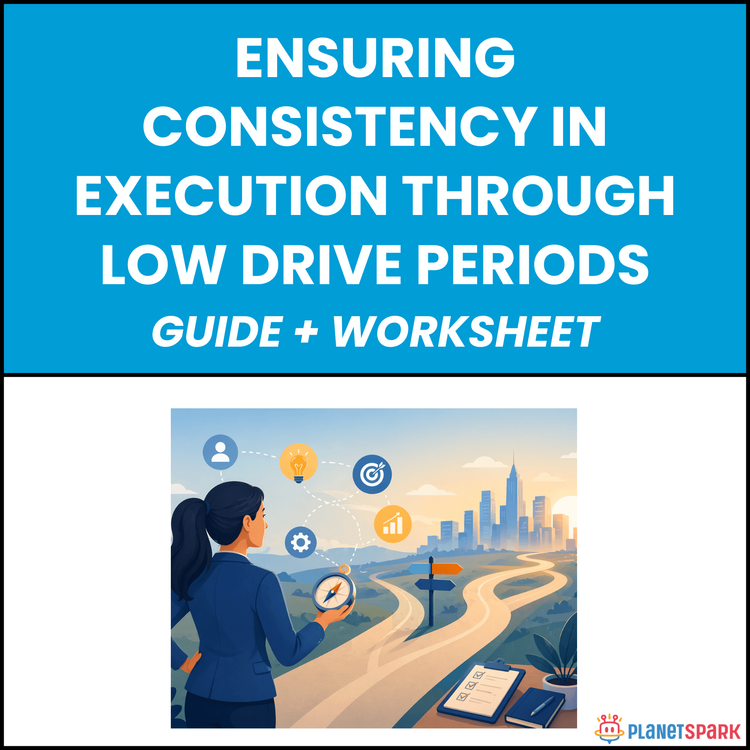
Ensuring Consistency in Execution Through Low Drive Periods
Maintain Consistency: How to Execute Even When Motivation Runs Low
Every professional experiences periods where motivation dips — it’s a natural part of the work cycle. But what separates those who consistently succeed from those who struggle is the ability to continue delivering quality work, even when motivation is low. Instead of relying on bursts of inspiration, high-performing professionals build systems that ensure execution becomes the default, not the exception. This guide will help you stay consistent and productive, even during low-drive periods, by providing actionable frameworks and habits that keep you moving forward.
Who Is This Resource For?
This resource is designed for:
- Working professionals (0–15 years of experience) looking to stay productive during low-energy periods
- Career changers facing a shift in motivation or routine
- Managers needing to maintain team performance under pressure
- Consultants delivering client work while managing burnout risks
- Anyone struggling with inconsistent execution during periods of low drive
What Does This Resource Contain?
This playbook offers you practical strategies to maintain momentum and deliver results, even when energy levels are low. It includes:
- Step-by-step framework to audit your current state and identify triggers for low-drive periods
- Mindset shifts to move away from waiting for motivation and focus on building systems that carry you forward
- Ruthless prioritization techniques to ensure you focus on what matters most when energy is limited
- Low drive routines to keep you on track without overwhelming yourself
- Accountability systems to ensure consistency and prevent disengagement
Summary of the Resource
This guide helps you build systems and routines that maintain execution quality during low-drive periods. Instead of relying on fleeting motivation, you’ll learn how to prioritize work, design efficient routines, and create an environment that supports your goals. By breaking down large tasks into manageable pieces and focusing on minimum viable effort, you ensure progress continues regardless of fluctuating energy levels.
How Will This Resource Be Useful?
By applying the frameworks in this playbook, you will:
- Reclaim consistency in your execution even when motivation dips
- Build reliable systems that help you keep moving forward without relying on willpower
- Identify and manage low-drive triggers, making it easier to plan around them
- Maintain your professional credibility by staying on top of your commitments, even during tough periods
- Reduce burnout risk by implementing recovery strategies and pacing yourself
How Should You Use This Resource?
- Step 1: Audit Your Current State
- Conduct a simple audit of your time and energy to understand when and why your drive dips. Identify patterns and create a clear snapshot of your current performance.
- Step 2: Shift From Motivation to Systems
- Focus on building habits and systems that carry you through low-drive periods, such as time-blocking, defining minimum daily outputs, and organizing your environment.
- Step 3: Prioritize Ruthlessly
- Use the Low Drive Task Matrix to categorize tasks by impact and effort, and focus on high-impact, low-effort tasks during these periods.
- Step 4: Design Your Low Drive Routine
- Set up a morning routine (e.g., a "Morning Anchor") to set the tone for the day and an end-of-day routine to close the day, allowing you to recover and stay accountable.
- Step 5: Build Resilience
- Establish long-term habits for maintaining energy, such as sleep, exercise, and social connection. This reduces the frequency of low-drive periods and keeps your momentum steady.
Action Steps
- Audit your current state by tracking your time and energy for 3 days.
- Shift from motivation to systems by implementing time-blocking and defining minimum daily outputs.
- Prioritize ruthlessly using the Low Drive Task Matrix to ensure you’re focusing on what matters most.
- Design your low-drive routine, incorporating morning and end-of-day anchors.
- Build resilience through healthy habits like sleep, movement, and social connection.
You don’t need to feel motivated to be consistent. The key is building systems that help you execute even when motivation dips. By following the frameworks in this playbook, you can ensure progress and maintain the quality of your work, regardless of energy fluctuations. Start implementing these strategies today, and transform how you work through low-drive periods.