
How to Build Long-Term Communication Mastery as a Career Skill

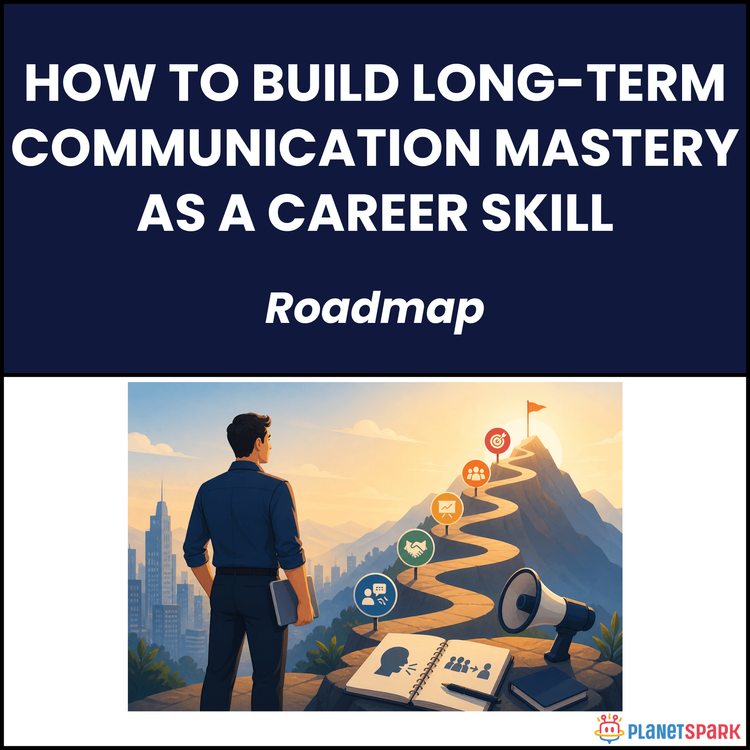
How to Build Long-Term Communication Mastery as a Career Skill
Build Long-Term Communication Mastery: A Practical Career Guide for Professionals
Most professionals focus on upgrading their technical skills—learning new tools, certifications, or systems. But here’s the reality: those skills evolve, change, and sometimes become obsolete.
Communication doesn’t.
Your ability to express ideas clearly, influence decisions, handle difficult conversations, and present yourself with confidence is the one skill that compounds throughout your career. Yet, most people treat communication as something they “figure out along the way.”
That approach is exactly what this resource aims to fix.
The “How to Build Long-Term Communication Mastery as a Career Skill” template pack is designed to help you move from reactive communication to structured, intentional mastery.
Who Is This Resource For?
This resource is designed for working professionals who want to treat communication as a long-term career advantage, not a short-term fix.
It is especially valuable for:
- Job seekers preparing for interviews, negotiations, and personal branding
- Early to mid-career professionals aiming for promotions
- Managers and team leads responsible for stakeholder communication
- Consultants, freelancers, and client-facing professionals
- Career switchers adapting to new roles or industries
- Anyone who wants to communicate with clarity, confidence, and consistency
If your role requires influencing others, presenting ideas, or managing relationships—this resource is highly relevant.
What Does This Resource Contain?
This is a scenario-driven template pack with 10 practical frameworks, each designed for a specific professional situation.
Here’s what you’ll find inside:
1. Career Communication Audit
A structured self-assessment of your strengths, blind spots, and priority growth areas across written, verbal, and digital communication.
2. Executive Presence Messaging Script
Helps you craft high-impact statements for leadership meetings, interviews, or panels.
3. Difficult Conversation Planner
A step-by-step framework to handle sensitive or high-pressure conversations with clarity and control.
4. Stakeholder Communication Plan
Maps how, when, and what to communicate in multi-stakeholder environments.
5. Personal Brand Messaging Canvas
Defines your professional narrative for LinkedIn, bios, and career positioning.
6. Presentation Story Arc Builder
Helps you structure presentations using a compelling narrative (hook, problem, insight, resolution).
7. Negotiation Communication Framework
Prepares you for salary discussions, contracts, and high-stakes negotiations.
8. Written Communication Style Guide
Standardizes your emails, reports, and messages for clarity and consistency.
9. Cross-Cultural Communication Prep Sheet
Helps you adapt your communication style for global teams and diverse stakeholders.
10. Annual Communication Growth Plan
A 12-month roadmap to build communication mastery with measurable goals and milestones.
Each template is built for real-world use—not theory—so you can immediately apply it in your day-to-day work.
Summary of the Resource
This resource is not about improving communication “in general.”
It is about building a repeatable system for communication excellence across your career.
It helps you:
- Audit where you currently stand
- Prepare for high-stakes communication scenarios
- Build structured communication habits
- Track your progress over time
- Develop a long-term mastery roadmap
Instead of improvising in critical moments, you begin to communicate with intention, clarity, and strategy.
How Will This Resource Be Useful?
Many professionals fall into the trap of reactive communication—responding in the moment without preparation or structure.
This resource introduces a different approach: proactive communication architecture.
Here’s how it creates real impact:
- Better Decision-Making: You communicate with clear objectives and outcomes in mind
- Stronger Professional Presence: You sound confident, structured, and credible
- Improved Stakeholder Alignment: You reduce misunderstandings and delays
- Higher Influence: You learn to use logic, credibility, and emotional framing effectively
- Career Acceleration: You become someone others trust to lead conversations, not just participate in them
As highlighted in the resource, communication is the “infrastructure beneath every professional outcome”—from negotiations to leadership growth.
How Should You Use This Resource?
This resource is designed to be used repeatedly—not just once.
Follow this structured approach:
Step 1: Start with a Self-Audit
Begin with the Career Communication Audit to understand your baseline.
Step 2: Identify Immediate Needs
Choose templates based on your current situation—presentation, negotiation, stakeholder management, or branding.
Step 3: Prepare Before High-Stakes Moments
Use relevant templates before important conversations, meetings, or interactions.
Step 4: Apply in Real Scenarios
Customize the templates with your actual context and use them directly.
Step 5: Reflect and Improve
After each interaction, revisit your approach and refine your communication strategy.
Step 6: Build a Long-Term Plan
Use the Annual Communication Growth Plan to track your development over 12 months.
Step 7: Repeat and Evolve
Communication mastery is iterative—each use strengthens your skill.
Action Steps
If you want to start building communication mastery today:
1. Complete the Career Communication Audit to identify your top 3 gaps
2. Choose one high-impact area (e.g., presentations, negotiations, or writing)
3. Use the relevant template before your next real interaction
4. Apply the framework in a live professional situation
5. Reflect on what worked and what didn’t
6. Build a 12-month communication growth plan for consistent improvement
Small, consistent improvements compound into long-term mastery.
The professionals who stand out are not the ones who speak the most—they are the ones who communicate with clarity, intention, and impact.
If you want your career to grow sustainably, communication cannot remain an afterthought. It needs to become a deliberate practice.