
How to Prevent Dependency on AI From Weakening Core Skills

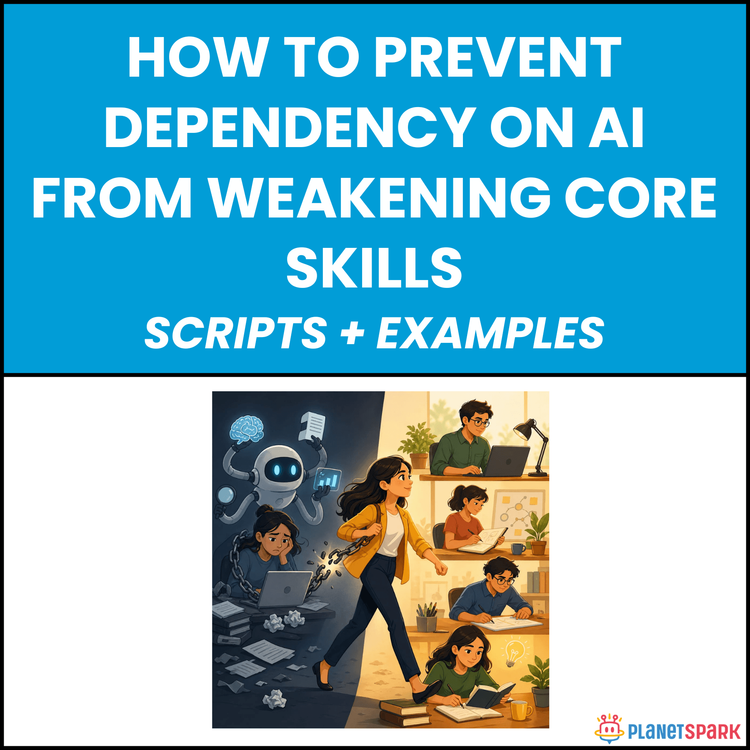
How to Prevent Dependency on AI From Weakening Core Skills
How to Prevent AI Dependency From Weakening Your Core Skills: A Practical Playbook
AI tools offer efficiency and convenience, but the danger lies in over-reliance. When AI becomes a crutch instead of a lever, your core professional skills—critical thinking, judgment, and creativity—can deteriorate. How to Prevent AI Dependency From Weakening Your Core Skills is a playbook designed to help you maintain and improve the very skills that AI could replace if not managed carefully. This guide will help you leverage AI effectively without losing the essence of what makes you valuable as a professional.
Who Is This Resource For?
This playbook is ideal for professionals who want to integrate AI into their workflow without letting it compromise their core abilities. It's designed for:
- Career switchers needing to balance AI tools with essential core skills
- Consultants, managers, and other professionals who rely on cognitive tasks like writing, analysis, and problem-solving
- Anyone who fears over-reliance on AI tools and wants to safeguard their professional resilience and independence
If you're looking to make AI work for you without sacrificing the very skills that define your career, this playbook will show you how.
What Does This Resource Contain?:
This playbook offers a structured approach to balancing AI usage and core skill development. Inside, you’ll find:
- The Lever vs. Crutch framework, helping you identify when AI is enhancing your work versus when it's replacing your thinking
- Step-by-step guidance on how to audit your AI usage and protect key areas of cognitive practice
- Practical exercises like “Draft Before You Prompt” and “Ideate Before You Generate” that ensure you engage your core skills first
- A weekly AI practice schedule to help you set non-negotiable time for developing your skills without AI support
- Real-world case studies and examples of how professionals have overcome AI dependency
Summary of the Resource:
How to Prevent AI Dependency From Weakening Your Core Skills empowers you to use AI as a tool to enhance your expertise, rather than a crutch that replaces it. By following the frameworks and practices in this playbook, you’ll maintain the skills that make you indispensable while still leveraging AI for greater efficiency and productivity.
How Will This Resource Be Useful?:
This resource helps you:
- Prevent cognitive atrophy by identifying when you’re relying too heavily on AI and taking steps to re-engage your core skills
- Build a sustainable AI usage strategy that enhances your work while maintaining your unique professional strengths
- Set clear boundaries for when and how AI should be used, ensuring it supports rather than replaces your expertise
- Track your progress and ensure you're consistently practicing and improving core professional skills
By following this playbook, you'll safeguard your career’s long-term value while making the most of AI to accelerate results.
How Should You Use This Resource?:
To maximize your results with this playbook, follow these steps:
1. Step 1 — Audit Your AI Usage: Spend one week tracking every instance of AI tool use. Note what tasks you used AI for, whether you tried the task yourself first, and categorize the tool usage as a "Lever" (AI enhances your work) or "Crutch" (AI replaces your effort) .
2. Step 2 — Protect Your Practice Zones: Once you’ve identified areas where AI is becoming a crutch, designate certain tasks as human-first zones. Make these tasks non-negotiable and commit to doing them yourself before using AI .
3. Step 3 — Build Deliberate Skill Practice Into Your Week: Schedule regular skill practice sessions for critical tasks such as writing, analysis, and communication. Block time each week to engage in these tasks without AI support .
4. Step 4 — Reflect and Adjust: Regularly review your progress, adjust your practice zones, and set new goals for skill improvement. Use reflection questions to understand where you need more practice and focus .
Action Steps:
To begin preventing AI dependency, take these immediate actions:
1. Complete your AI usage audit by tracking every AI instance during the next week.
2. Identify your top 3 “crutch” tasks, and make them human-first zones going forward.
3. Schedule your weekly skill practice sessions, ensuring at least 20 minutes for writing, 20 minutes for analysis, and 15 minutes for communication practice.
4. Use the reflection questions provided to adjust your AI usage habits and improve your skill retention.
5. Share this playbook with a colleague or manager to increase accountability and collaborate on strengthening core skills.
By following these steps, you’ll protect your professional capabilities and use AI to amplify, not replace, your skills.