
How to Recognize Early Signs of Burnout Before It Escalates
Free DownloadPDF

Noorul Ain FatimaVisit Profile
I’m a passionate public speaking educator who has guided hundreds of students in building confidence, clarity, and impactful communication skills. With hands-on experience in mentoring learners of different age groups, I focus on making learning engaging, practical, and result-driven. I truly enjoy helping students find their voice and express themselves with confidence in every situation.
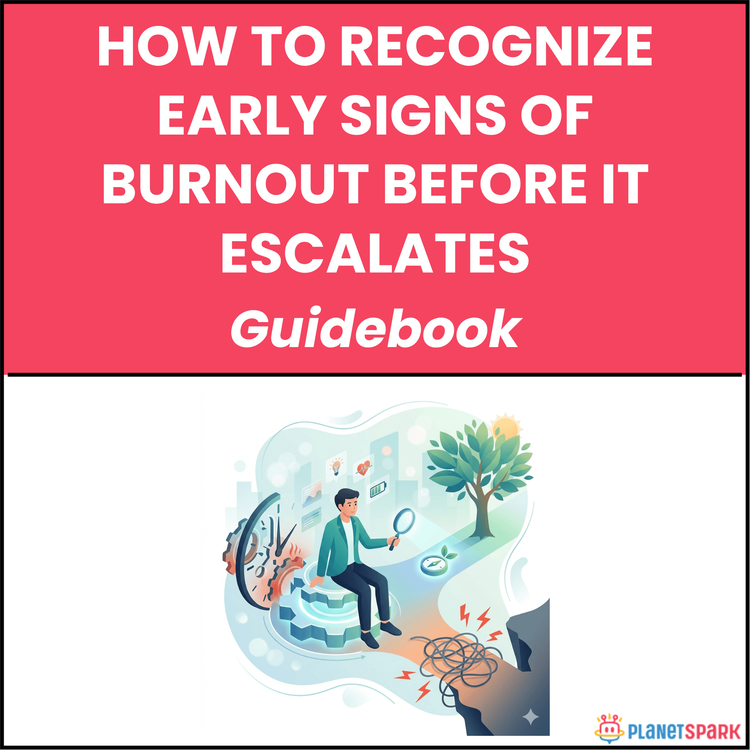
How to Recognize Early Signs of Burnout Before It Escalates
Free DownloadPDF
Noorul Ain FatimaVisit Profile
I’m a passionate public speaking educator who has guided hundreds of students in building confidence, clarity, and impactful communication skills. With hands-on experience in mentoring learners of different age groups, I focus on making learning engaging, practical, and result-driven. I truly enjoy helping students find their voice and express themselves with confidence in every situation.
Recognizing Early Signs of Burnout Before It Escalates: A Practical Guide for Professionals
Burnout isn’t always a sudden event; it often builds gradually, making it difficult to recognize until it’s too late. The pressure to perform, meet expectations, and juggle responsibilities can quietly drain your energy, leaving you mentally and physically exhausted. Recognizing the early signs of burnout is essential to taking proactive steps before it escalates and significantly impacts your health and career.
“How to Recognize Early Signs of Burnout Before It Escalates” is a practical guide designed to help you identify the warning signs of burnout early, so you can make necessary adjustments and maintain your well-being. This resource empowers you to understand the subtle shifts in your energy, mindset, and behavior that often signal impending burnout, and equips you with strategies to prevent it from taking hold.
Who Is This Resource For?
This guide is ideal for:
- Career changers navigating a stressful transition into new roles or industries
- Managers dealing with the pressure of leadership and decision-making
- Consultants balancing multiple clients and high expectations
- Early to mid-career professionals who are pushing themselves to excel in their current roles
If you’re feeling overwhelmed or disconnected from your work, this resource will help you recognize whether you're at risk of burnout and provide actionable steps to restore balance before it becomes unmanageable.
What Does This Resource Contain?
This guide helps you identify early burnout symptoms and provides strategies to combat them:
1. Understanding Burnout — The Silent Productivity Killer
Burnout is more than just feeling tired; it’s a state of physical and emotional exhaustion caused by prolonged stress. This section helps you understand what burnout is, its causes, and why it’s often hard to spot until it’s advanced.
2. The Early Warning Signs of Burnout
Burnout develops over time, with subtle indicators that, if noticed early, can be addressed before they escalate. The guide outlines the key early warning signs, including:
- Mental Exhaustion: Difficulty concentrating, forgetfulness, and feelings of being overwhelmed.
- Physical Fatigue: Constant tiredness, sleep disturbances, and low energy.
- Emotional Disengagement: Feeling disconnected from your work, lack of motivation, and irritability.
- Cynicism: Negative attitudes toward colleagues, clients, or the work itself.
3. Energy Mapping — Tracking Your Stress and Recovery
One of the most effective ways to manage and prevent burnout is by tracking your energy levels. This section introduces the Energy Mapping Method, a tool that helps you track daily energy fluctuations and stress levels over time. You’ll learn to identify when your energy is at its lowest and make adjustments to optimize recovery.
4. Burnout Prevention Strategies — Building a Resilient Routine
Preventing burnout is about building healthy habits that prioritize recovery and balance. This section provides actionable strategies, such as:
- Set Boundaries: Learn how to say no without guilt and create limits to prevent overload.
- Build Recovery into Your Day: Incorporate micro-breaks, stretching, or mindfulness practices to restore mental and physical energy.
- Delegate and Collaborate: Trust others with responsibilities to prevent taking on too much.
- Focus on What You Control: Shift your focus from things outside your control to what you can influence.
5. How to Recover from Burnout — If It’s Already Happened
For those who are already experiencing burnout, this section provides a recovery framework. It focuses on the importance of taking intentional time off, rebuilding energy, and seeking support from managers, mentors, or mental health professionals.
By recognizing these early signs, you can take proactive steps to reduce the risk of full-blown burnout.
Summary of the Resource
This guide helps you:
- Understand burnout and its causes, distinguishing between stress and burnout
- Identify early warning signs such as mental exhaustion, physical fatigue, and emotional disengagement
- Track your energy using the Energy Mapping Method to assess when and why your energy dips
- Apply proactive strategies to prevent burnout, including setting boundaries and incorporating recovery time
- Recover from burnout by taking restorative steps and seeking professional help if needed
By implementing these strategies, you can avoid burnout, restore balance, and continue performing at your highest level without sacrificing your health.
How Will This Resource Be Useful?
This guide will help you:
- Spot burnout early by understanding the key warning signs and the stages of burnout.
- Track your energy levels to stay ahead of burnout by identifying when and why your energy dips.
- Prioritize recovery and well-being by implementing effective burnout prevention strategies.
- Take action to recover if you’ve already started experiencing burnout, so you can get back to optimal performance.
By applying these strategies, you will maintain high performance over the long term while protecting your well-being.
How Should You Use This Resource?
Here’s how to implement the guide:
1. Learn the early warning signs of burnout by reflecting on your recent work patterns and emotional responses. Use the provided checklist to assess if you’ve been experiencing any of these signs.
2. Map your energy by tracking your energy levels throughout the day using the Energy Mapping Method. Record fluctuations and stress levels over a 7-day period.
3. Apply burnout prevention strategies by setting boundaries in your workday, building recovery time into your schedule, and learning to delegate tasks when necessary.
4. Take time off if you identify that you’re already experiencing burnout. Use recovery time to restore your energy levels and focus on rebalancing your physical and emotional well-being.
Action Steps
Here’s what you can do immediately:
1. Complete the Early Warning Signs Checklist to assess whether you are experiencing any early signs of burnout.
2. Track your energy for 7 days using the Energy Mapping Method, noting times when your energy dips and when you feel overwhelmed.
3. Implement one strategy from the burnout prevention section, such as scheduling micro-breaks or setting clearer boundaries at work.
4. Take intentional time off for recovery if needed. Use this time to restore your energy and reflect on your current workload.
Book your free session today!