
How to Recover Energy Quickly During High-Stress Workdays

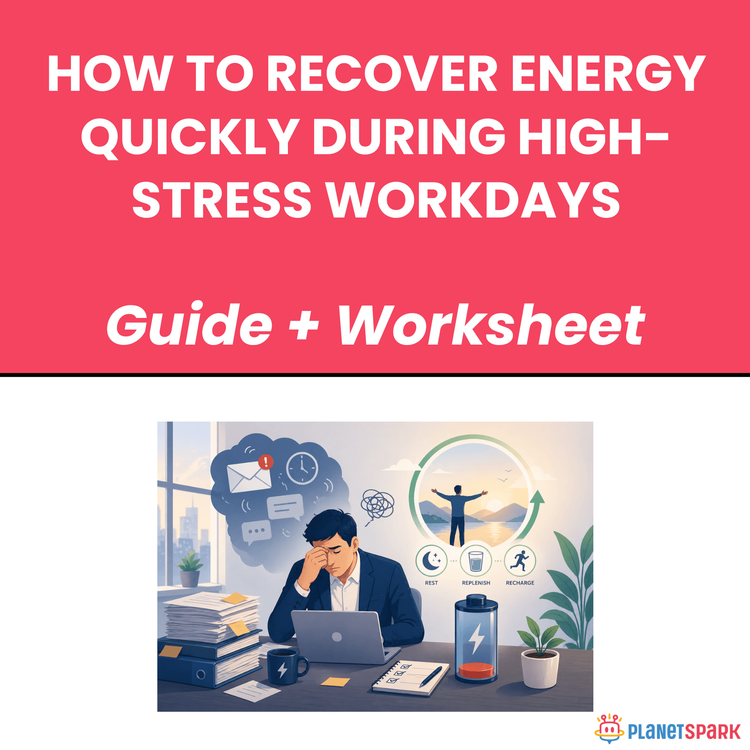
How to Recover Energy Quickly During High-Stress Workdays
Quick Strategies to Replenish Energy During High-Stress Workdays: A Practical Guide for Time-Poor Professionals
Workdays can often feel like a relentless race. Between meetings, emails, tasks, and deadlines, it’s easy to lose sight of your energy levels, until exhaustion sets in. The "How to Recover Energy Quickly During High-Stress Workdays" guide is designed to help you reset, recharge, and maintain performance during these high-stress periods—without losing an entire day to burnout.
Who Is This Resource For?
This resource is specifically for:
- Time-poor professionals with demanding work schedules
- Individuals who feel mentally drained or physically exhausted during high-stress workdays
- Career-driven professionals who want to keep performing at a high level without burnout
- Those who need quick, actionable strategies for managing stress and recharging mid-day
If you’re looking for a sustainable way to reset during high-pressure days without sacrificing performance, this guide is for you.
What Does This Resource Contain?
This guide helps you manage your energy throughout high-stress workdays. It includes:
- The 4-Dimension Energy Model, which identifies four types of energy: physical, mental, emotional, and purposeful
- A diagnostic worksheet to identify which type of energy is depleted and needs to be replenished
- Practical recovery strategies for each type of depletion, including physical resets, mental clarity techniques, emotional regulation tools, and ways to reconnect with your purpose
- A Workday Recovery Map, offering time-anchored recovery strategies based on your energy rhythms throughout the day
- A 5-Minute Mid-Day Reset Ritual to quickly restore your energy, which becomes an automatic habit when practiced consistently
This guide provides a structured system to recharge your energy and sustain high performance during the workday.
Summary of the Resource
The key to sustaining high performance during stressful workdays is not pushing harder, but strategically recovering your energy in real-time. The 4-Dimension Energy Model helps you identify which type of energy is depleted, and the guide provides targeted recovery techniques that can be used in the moment. By incorporating regular resets into your workday, you can prevent depletion and stay productive.
How Will This Resource Be Useful?
By using this resource, you will:
- Identify which areas of energy are most depleted during high-stress workdays
- Learn to use the right recovery techniques for each type of energy depletion
- Prevent the common pitfall of pushing through fatigue by learning when and how to reset your energy
- Develop a habit of quick energy resets that keep you performing at your best throughout the day
How Should You Use This Resource?
To get the most out of this guide, follow these steps:
1. Understand the 4-Dimension Energy Model: Familiarize yourself with the four types of energy—physical, mental, emotional, and purposeful. Identify which energy dimension is being depleted the most during your workday.
2. Complete the Energy Depletion Diagnostic Worksheet: Use this worksheet whenever you feel significant energy dips. It will help you identify whether you’re experiencing mental, emotional, physical, or purposeful depletion.
3. Apply the Right Recovery Technique: Once you know what type of depletion you're facing, use the corresponding recovery technique:
- Physical: Use the 4-7-8 breathing technique or a cold water reset.
- Mental: Do a brain dump or clear all unnecessary tabs to improve focus.
- Emotional: Use the "Name It to Tame It" technique or take a 10-minute boundary walk.
- Purposeful: Revisit your Purpose Anchor Card or do the "Why Behind the What" exercise.
4. Use the Workday Recovery Map: Follow the map to time your recovery activities based on your workday rhythms. Ensure you take mini-breaks for resets during your peak cognitive windows.
5. Integrate the 5-Minute Mid-Day Reset Ritual: Use this ritual daily for a quick energy boost. This includes activities like body scanning, breathing, writing, and goal-setting in just five minutes.
Action Steps
Here are your immediate next steps:
1. Identify your primary energy depletion type using the diagnostic worksheet.
2. Schedule a reset for each depletion type you identify, and choose one technique to implement now.
3. Incorporate the 5-Minute Mid-Day Reset into your workday, and repeat it as needed to avoid further energy loss.
4. Track your progress by completing the weekly Energy Audit, identifying patterns in your energy recovery.
By practicing these strategies, you’ll create a system that lets you recover during the workday and sustain your performance without burning out.
Your Next Step: Start with the Energy Depletion Diagnostic Worksheet today, and then move on to creating your Boundary Architecture.
Book your free session today!