
How to Stay Professionally Relevant During Recovery Phases

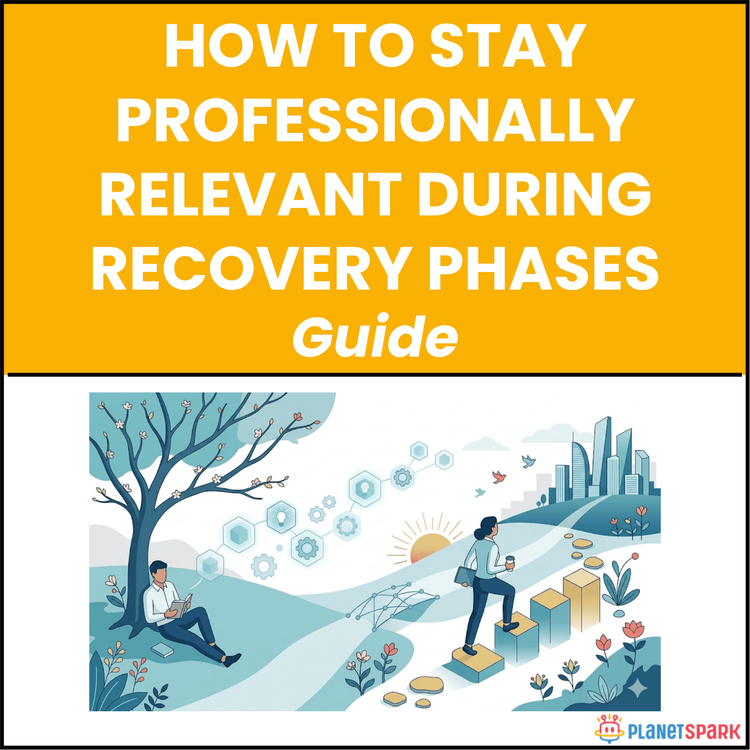
How to Stay Professionally Relevant During Recovery Phases
Practical Systems to Maintain Visibility, Skills, and Career Momentum During Professional Recovery Periods
Recovery phases can be some of the most challenging periods in a professional’s life. Whether you’re navigating burnout, recovering from a health issue, managing caregiving responsibilities, dealing with a layoff, or simply reassessing your career direction, it’s natural to worry about falling behind.
Many professionals fear that time away from full-capacity work automatically makes them less competitive. The reality is far more encouraging. Professional relevance is not determined by constant activity. It is shaped by your ability to remain connected, informed, intentional, and prepared—even during periods when your primary focus must be recovery.
That’s why the resource “How to Stay Professionally Relevant During Recovery Phases” was created. Rather than promoting hustle culture or unrealistic productivity expectations, this guide offers a sustainable framework that helps professionals maintain their career momentum while prioritizing recovery and wellbeing.
Who Is This Resource For?
This resource is particularly valuable for:
- Working professionals with 0–15 years of experience
- Individuals recovering from burnout or workplace exhaustion
- Professionals returning from health-related leave
- People navigating layoffs, career breaks, or employment gaps
- Caregivers balancing personal responsibilities with career concerns
- Career switchers reassessing their professional direction
- Managers, consultants, and specialists preparing for professional re-entry
- Anyone worried about losing visibility, confidence, or relevance during a recovery period
If you're concerned about maintaining your professional identity while focusing on personal recovery, this guide provides a structured path forward.
What Does This Resource Contain?
This is not a motivational guide filled with generic advice. It is a practical recovery playbook built around actionable frameworks, worksheets, checklists, and real-world examples.
Inside the resource, you'll find:
- The 3-Phase Recovery Relevance Model: Stabilise, Maintain, and Accelerate
- Step-by-step guidance for protecting your professional foundation during recovery
- A complete Stabilisation Checklist for maintaining visibility with minimal effort
- Reflection worksheets to help clarify your professional identity and future direction
- Practical strategies for maintaining industry awareness without overwhelm
- A Micro-Learning Framework for staying current with limited time and energy
- Narrative-building templates to help explain career gaps confidently
- Weekly visibility and accountability trackers
- Skills Currency Audit tools to identify what remains relevant and what needs updating
- Professional networking and relationship reactivation frameworks
- A detailed real-world case study showing successful career recovery
- Common mistakes professionals make during recovery—and how to avoid them
- The RARE Framework (Reputation, Awareness, Relationships, Evidence)
- Monthly self-evaluation tools for tracking progress
- Quick-reference recovery cheat sheets and action plans
Every section is designed to help professionals stay connected to their careers without creating additional pressure.
Summary of the Resource
“How to Stay Professionally Relevant During Recovery Phases” is a structured guide that helps professionals navigate career interruptions with confidence and strategy.
Instead of viewing recovery as a setback, the resource teaches readers how to maintain visibility, preserve relationships, stay informed, build evidence of growth, and prepare for a stronger professional return.
The guide combines practical action plans with sustainable habits, ensuring professionals can continue investing in their careers while respecting their current capacity and circumstances.
How Will This Resource Be Useful?
One of the biggest challenges during recovery phases is uncertainty. Many professionals struggle with questions such as:
- Am I falling behind?
- Will employers see my gap negatively?
- How do I explain this period professionally?
- How do I stay relevant without burning myself out?
This resource provides clear answers.
By working through the guide, you will:
- Maintain professional confidence during uncertain periods
- Protect your professional reputation and visibility
- Stay informed about industry developments with minimal effort
- Build stronger professional narratives for interviews and networking conversations
- Identify and close critical skill gaps strategically
- Preserve and strengthen important professional relationships
- Create evidence of growth, learning, and intentional development
- Reduce anxiety around career interruptions and re-entry
- Develop a structured roadmap for returning to professional opportunities
Most importantly, the guide helps you recognize that recovery and professional development do not have to be opposing priorities.
How Should You Use This Resource?
To get the greatest value from this guide, approach it in phases rather than attempting everything at once.
Start by reading the full guide to understand the overall framework and how the three recovery stages connect.
Next, identify which phase best reflects your current situation:
Phase 1: Stabilise
Focus on maintaining your professional foundation with low-effort actions. Update your digital presence, maintain key relationships, and begin documenting your thoughts and learning.
Phase 2: Maintain
Introduce sustainable professional habits such as micro-learning, light networking, industry awareness, and visibility activities that fit your energy levels.
Phase 3: Accelerate
When you're ready, actively pursue professional growth through skills development, networking expansion, career positioning, and strategic re-entry planning.
As you progress, complete the worksheets, reflection exercises, audits, and trackers provided throughout the guide. Revisit them regularly to measure progress and adjust your approach as your capacity evolves.
The guide is designed to be used repeatedly, not just once.
Action Steps
After accessing this resource, take these actions immediately:
1. Identify which recovery phase best describes your current situation
2. Schedule a recurring 30-minute weekly block dedicated to professional relevance
3. Update your LinkedIn profile and professional presence
4. Subscribe to one or two trusted industry information sources
5. Reach out to one professional contact with a simple check-in message
6. Start a recovery journal to document learning, insights, and observations
7. Complete the Professional Identity Reflection Worksheet
8. Review the RARE Framework and use it as a weekly check-in tool
9. Select one micro-learning activity you can realistically sustain
10. Commit to one small professional action every week
Consistency matters more than intensity. Small actions performed regularly create momentum over time.
Recovery phases are not detours from your professional journey. They are part of it. The professionals who emerge strongest are rarely the ones who never paused—they are the ones who remained intentional while they did.
This resource provides a practical system for protecting your reputation, maintaining awareness, nurturing relationships, and building evidence of growth, even during difficult periods. By following its frameworks and applying its tools consistently, you can remain professionally relevant without sacrificing the recovery process itself.
Your career is not defined by a temporary pause. It is defined by how you adapt, learn, and move forward. Use this resource as your guide, your framework, and your reminder that progress is still possible—even during seasons of recovery.
Book your free session today!