
How to Sustain Energy While Scaling Responsibility at Work

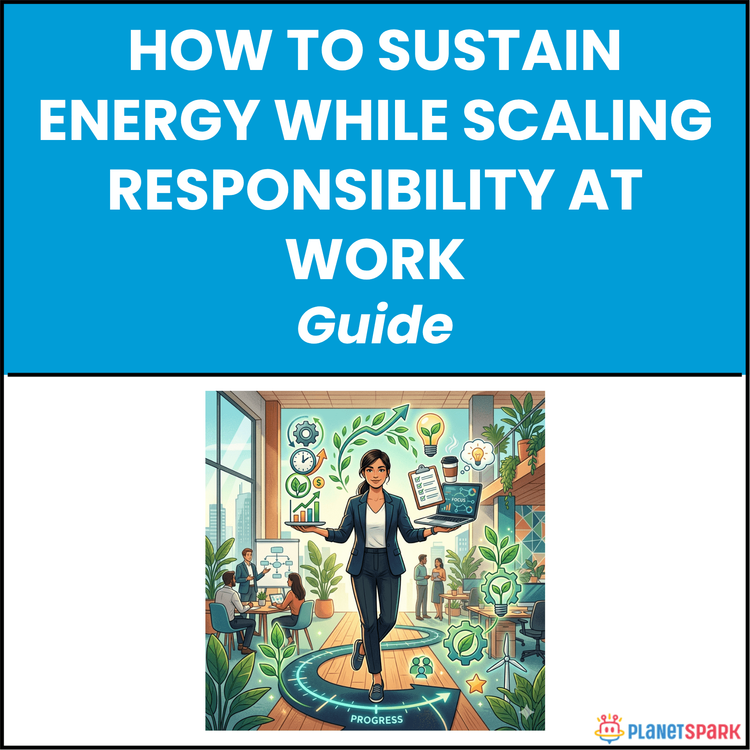
How to Sustain Energy While Scaling Responsibility at Work
Sustain Energy While Scaling Responsibility at Work: A Practical Playbook for Professionals
In today’s fast-paced professional world, career growth often comes with a hidden cost: burnout. As responsibilities increase, many professionals find themselves juggling more tasks, attending more meetings, and managing even more expectations, all while trying to maintain their personal performance. The truth is, more work doesn’t just require more time—it demands more energy. Yet, energy management is rarely taught, leaving professionals struggling to find balance. That’s where this guide comes in: “How to Sustain Energy While Scaling Responsibility at Work” offers a framework designed to help you manage your energy, not just your time, so you can scale responsibilities without sacrificing well-being.
Who Is This Resource For?
This resource is perfect for professionals who are looking to scale their responsibilities without risking burnout. Specifically, it’s valuable for:
- Career switchers or job seekers who are navigating multiple roles
- Consultants and managers who must balance complex projects and teams
- Early to mid-career professionals aiming to take on more responsibility
- Professionals who struggle with burnout and are looking for strategies to maintain sustainable performance
If you’re someone who feels drained by the demands of your job but still wants to perform at your best, this guide is tailored for you.
What Does This Resource Contain?
Inside “How to Sustain Energy While Scaling Responsibility at Work,” you’ll find a comprehensive 5-phase framework to manage your energy sustainably:
1. Audit: Understand where your energy is currently going and what drains it.
2. Design: Build your Personal Energy Operating System (PEOS) to structure your week intentionally.
3. Protect: Implement practical boundary-setting strategies to safeguard your energy.
4. Recover: Learn how to integrate recovery practices into your daily routine for consistent performance.
5. Scale: Expand your responsibilities without overloading your energy reserves.
Each phase comes with worksheets, templates, and tools like the Energy Audit Tracker, Weekly Energy Architecture Template, and the Energy ROI Decision Matrix to help you take immediate action.
Summary of the Resource
At its core, this guide equips you with actionable tools and strategies to manage your energy, not just your time. Instead of the usual time-management advice, you’ll learn to design a system that helps you maintain consistent performance while protecting your well-being. Whether you’re overwhelmed by too many meetings or struggling to balance deep work with endless tasks, this resource will help you identify the energy drains and create a sustainable system for growth.
How Will This Resource Be Useful?
By following the structured framework, you’ll experience real benefits:
- Improved clarity on where your energy is being spent and what’s draining you
- More focused and efficient work during peak energy hours
- Better boundary-setting to protect your most important tasks
- Tools to recover deliberately and avoid burnout
- A strategy to scale your responsibilities without sacrificing your well-being
This is not just about working harder, but about working smarter by building an energy management system that works for you.
How Should You Use This Resource?
To get the most out of this playbook:
1. Phase 1: Audit – Start by tracking your energy for five days to understand your energy patterns.
2. Phase 2: Design – Using the insights from your audit, create a weekly energy architecture that prioritizes your most important tasks during your peak energy hours.
3. Phase 3: Protect – Learn to say no, delegate, and set boundaries that shield your energy from unnecessary drains.
4. Phase 4: Recover – Implement micro-recovery practices to refresh your mind and body throughout the day.
5. Phase 5: Scale – Begin to expand your responsibilities strategically, with a focus on leverage and systems that minimize energy cost.
Action Steps
1. Block time in your calendar for energy auditing and planning.
2. Track your energy daily using the Energy Audit Tracker.
3. Design your week using the Weekly Energy Architecture Template to protect your peak work hours.
4. Delegate at least one task that drains your energy unnecessarily.
5. Evaluate new requests using the Energy ROI Decision Matrix before saying yes.
By taking these steps, you’ll start to see improvements in your daily energy management, resulting in a more balanced and sustainable approach to career growth.
The secret to scaling responsibilities without burning out lies in effective energy management. This guide gives you the tools and systems you need to protect your most valuable resource—your energy. By proactively managing your energy, you’ll be able to perform at your peak, avoid burnout, and create a sustainable career growth path that works for you. Remember, the most successful professionals aren’t those who work the hardest—they’re the ones who design their work and energy systems thoughtfully.
Book your free session today!