
How to Transition Careers While Maintaining Income Stability

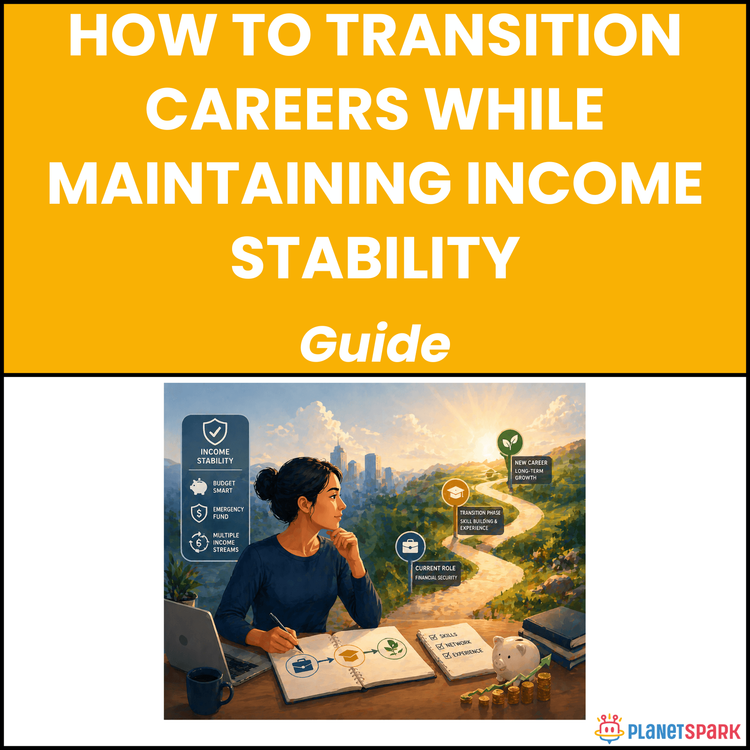
How to Transition Careers While Maintaining Income Stability
Switching Careers Without Financial Instability: A Practical Guide for Career Changers
Making a career change can feel like a leap into the unknown. You’ve outgrown your current role or industry, but the fear of losing income often holds you back. The good news? You don’t have to take that leap without a safety net. With the right planning, you can smoothly transition into a new career without risking your financial stability. This blog explores how the *"How to Transition Careers While Maintaining Income Stability" guide provides professionals with a structured, income-conscious roadmap to navigate this critical life change.
Why a Career Transition Can Be Daunting—and How to Overcome It
Every year, thousands of professionals reach a turning point in their careers. Whether due to industry changes, burnout, or a growing desire for new challenges, the urge to transition is strong. However, the fear of losing income or starting over can stop you in your tracks. This guide was designed for professionals like you—those who are determined to make a bold move but need a strategy to ensure financial stability along the way.
Instead of diving into uncertainty, this resource offers a structured path with actionable steps to help you transition thoughtfully while maintaining income stability. It helps you plan, test ideas, assess your financial situation, and scale gradually, so you can build the career you want without financial free-fall.
Who Is This Resource For?
This guide is designed for:
Career Changers: Whether you’re shifting industries or roles, this guide helps you leverage your transferable skills and gradually build your new career.
Early to Mid-Career Professionals: Professionals who feel stagnant or are seeking more purpose and growth.
Consultants & Managers: Those who need a structured way to transition into a different consulting field or managerial role.
Time-Poor, Outcome-Oriented Individuals: Professionals who are busy and need a clear, practical roadmap for change, without wasting time.
If you’ve ever felt stuck in your career, fearful of making the wrong move or losing income in the process, this resource is tailor-made for you.
What Does This Resource Contain?
The guide breaks down the transition process into five overlapping phases, each designed to minimize risk and maximize momentum:
1. Phase 1 – Audit: Assess your current skills, finances, and motivations to understand where you stand.
2. Phase 2 – Architect: Research your target role, build a skills gap map, and create a realistic transition plan.
3. Phase 3 – Build: Develop new skills through structured learning and project-based practice, without burning out.
4. Phase 4 – Bridge: Begin earning in your new field through part-time, freelance, or consulting work, before leaving your current job.
5. Phase 5 – Launch:Transition fully into your new career with confidence, armed with a portfolio, income streams, and a network.
Each phase includes actionable checklists, templates, and worksheets to track your progress. Whether you're just starting or already midway through your transition, you can pick up where you need to and continue moving forward.
Summary of the Resource
At its core, this resource gives you a step-by-step framework to transition into a new career without sacrificing your financial security. It’s designed to be practical and structured, helping you:
Build a solid foundation: Assess your current situation, from skills to finances.
Create a detailed plan: Research your target role and identify the skills you need to develop.
Bridge the income gap: Begin earning in your new field while still employed in your current role.
Launch confidently: Transition fully once your new career path is financially sustainable.
This guide is not about taking risks but about making strategic, income-conscious decisions that lead to a smooth and successful career transition.
How Will This Resource Be Useful?
By following the structured framework provided in this resource, you will:
Gain Clarity and Confidence: Understand where you stand and where you need to go.
Minimize Financial Risk: Ensure your current income is replaced by a reliable new income stream before making the full transition.
Take Action with Purpose: Avoid the mistakes many career changers make by acting without a clear strategy.
Stay on Track: Regular reflection tools and check-ins help keep your transition on course.
In short, this resource allows you to take control of your career transition, turning a daunting process into a manageable, strategic journey.
How Should You Use This Resource?
1. Start with the Audit Phase: Use the tools to assess your skills, finances, and motivations. This will give you a clear picture of your starting point.
2. Move into the Architect Phase: Conduct thorough research into your target role, then map out your skill gaps and plan the next steps.
3. Progress Through the Build Phase: Focus on mastering one skill at a time through structured learning and apply your skills through real projects.
4. Begin the Bridge Phase: Start earning in your new field, whether through freelance work, consulting, or part-time roles.
5. Launch Your Career: Once you’ve established a stable income stream in your new field, make the final move.
Remember, each phase builds upon the previous one, but you don’t need to wait for one phase to end before starting the next. The resource is flexible enough to adapt to your unique situation.
Action Steps
Here are your next immediate actions:
1. Complete the Skills and Financial Audit: Start by understanding where you stand today.
2. Do Target Role Research: Identify the skills you need to develop for your desired position.
3. Start Skill Development: Select one key skill to work on first and begin your learning process.
4. Look for Income Bridges: Find part-time or freelance opportunities that align with your target field.
5. Review Monthly: Use the reflection questions provided to track progress and adjust your strategy as needed.
By following these steps, you’ll ensure that your career transition is both strategic and income-stable.
Career transitions are complex, but they don’t have to be overwhelming. With a structured plan in place, you can make a bold career change without the financial stress that often comes with it. The steps in this guide will help you develop a clear strategy, build essential skills, and create income streams that make your transition feel like a natural progression, not a risky leap.
Stay committed to your transition. Take it one step at a time, reflect regularly, and celebrate your milestones along the way. You’re not starting over—you’re leveling up. Keep building toward your ideal career, and remember, every small action counts toward a bigger transformation.