
Managing Communication Across Teams

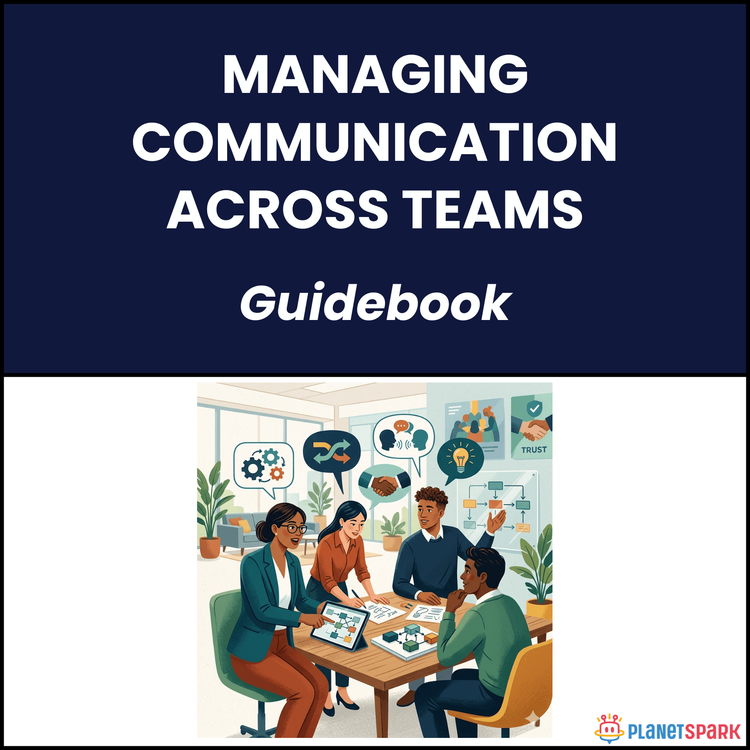
Managing Communication Across Teams
Managing Cross-Team Communication Effectively: A Practical Guide to Reduce Friction and Build High-Trust Collaboration
If you’ve ever worked on a project where things “should have been simple” but somehow became confusing, delayed, or frustrating—you’ve experienced the cost of poor cross-team communication.
It’s rarely about lack of talent. More often, it’s misaligned expectations, unclear ownership, missing context, or messages that don’t land with the right audience. And in fast-paced work environments, these small gaps compound into missed deadlines, repeated conversations, and unnecessary stress.
That’s exactly why the resource “Managing Communication Across Teams” exists. It’s designed to give working professionals a clear, practical system to communicate across functions with clarity, speed, and confidence—without overcomplicating the process.
This guidebook acts as your operating system for cross-team collaboration, helping you prevent problems before they happen and handle them effectively when they do.
Who Is This Resource For?
This resource is especially valuable if you are:
- A working professional collaborating with multiple teams
- A manager or team lead responsible for cross-functional alignment
- A consultant working with clients or multiple stakeholders
- An individual contributor who depends on other teams to get work done
- A mid-career professional aiming to build influence and credibility
- Someone who often deals with delays, miscommunication, or unclear expectations
If your work depends on other people—and it almost always does—this guide is built for you.
What Does This Resource Contain?
This is not a theoretical communication guide. It’s a hands-on toolkit designed for immediate application in real work situations.
Inside the resource, you’ll find:
- The C.L.E.A.R. Communication Framework (Context, Language, Expectation, Accountability, Record) to structure every interaction
- A breakdown of why cross-team communication fails, including common patterns like information silos and unclear ownership
- Step-by-step guidance on how to:
- Set context effectively
- Speak in your audience’s professional language
- Define expectations clearly
- Assign ownership without confusion
- Document decisions for clarity and continuity
- Pre-communication checklists to review messages before sending
- A reflection worksheet to audit past communication breakdowns
- A cross-team kickoff template to align stakeholders from day one
- Channel selection guidance (when to use email, chat, meetings, or docs)
- Practical strategies for managing senior stakeholders (“managing up”)
- Conflict resolution frameworks to handle breakdowns without damaging relationships
- A real-world case study showing how structured communication changes outcomes
- A list of common communication mistakes—and how to fix them
- A self-evaluation tool to track your progress over time
- A one-page quick reference playbook for daily use
Everything is structured to help you move from reactive communication to intentional, high-impact communication.
Summary of the Resource
“Managing Communication Across Teams” is a practical, system-driven guide that helps professionals eliminate confusion, align stakeholders faster, and build trust across teams.
Instead of relying on instinct or experience alone, it gives you repeatable frameworks, templates, and checklists that improve how your communication is received—and acted upon.
If you apply even a few of these tools, you’ll see immediate improvements in clarity, response time, and collaboration quality.
How Will This Resource Be Useful?
This resource helps you shift from guesswork to clarity.
You’ll gain:
- A structured way to communicate across teams without over-explaining
- Faster responses and fewer follow-ups due to clearer messaging
- Reduced misalignment and rework in projects
- Stronger professional credibility and trust
- Better stakeholder management, especially with senior leaders
- The ability to prevent communication breakdowns—not just fix them
- More confidence in high-stakes conversations and cross-functional projects
Most importantly, it helps you become the kind of professional people trust to “make things happen”—because your communication makes collaboration easier for everyone.
How Should You Use This Resource?
To get the most value, use this guide in a structured way:
Start by reading the entire guide once to understand the core principles, especially the C.L.E.A.R. framework. This builds your foundation.
Next, begin applying the frameworks immediately:
- Use the Pre-Communication Checklist before sending important messages
- Apply the C.L.E.A.R. framework in meetings, emails, and project discussions
- Start documenting decisions and action items consistently
Then, go deeper with the practical tools:
- Complete the Communication Audit worksheet for a recent breakdown
- Use the Cross-Team Kickoff Template for your current or next project
- Experiment with choosing the right communication channels consciously
Finally, track and refine your approach:
- Use the Self-Evaluation tool at the end of the month
- Identify one improvement area and focus on it consistently
- Revisit the quick reference playbook regularly
This is not a one-time read—it’s a system you build into your daily work habits.
Action Steps
After accessing this resource, take these steps immediately:
1. Identify one ongoing cross-team project you’re currently involved in
2. Apply the C.L.E.A.R. framework to your next key message or meeting
3. Use the Pre-Communication Checklist before sending any important request
4. Complete the Communication Audit for one recent miscommunication
5. Introduce a simple post-meeting recap habit (decisions + action items + owners)
6. Save and use the Quick Reference Playbook for daily guidance
Small changes in how you communicate can unlock major improvements in how teams collaborate.
Cross-team communication is not just a soft skill—it’s a career-defining capability. The professionals who stand out are not just good at their jobs; they are the ones who make collaboration feel clear, structured, and efficient.
This resource gives you the tools to do exactly that. Use it consistently, and you’ll not only reduce friction in your work—you’ll become a trusted, high-impact professional across any team you work with.
Book your free session today!