
Mapping Recovery Pathways Based on Different Crisis Types

Mapping Recovery Pathways Based on Different Crisis Types
Tracing Effective Career Recovery Routes for Various Professional Setback Scenarios
Not all career crises are the same. Burnout, layoffs, failed transitions, workplace conflict, confidence collapse, long-term stagnation, and professional uncertainty each require different recovery approaches.
Many professionals struggle because they apply generic solutions to highly specific challenges. Effective recovery becomes much easier when professionals understand the type of crisis they are facing and the recovery pathways most relevant to their situation.
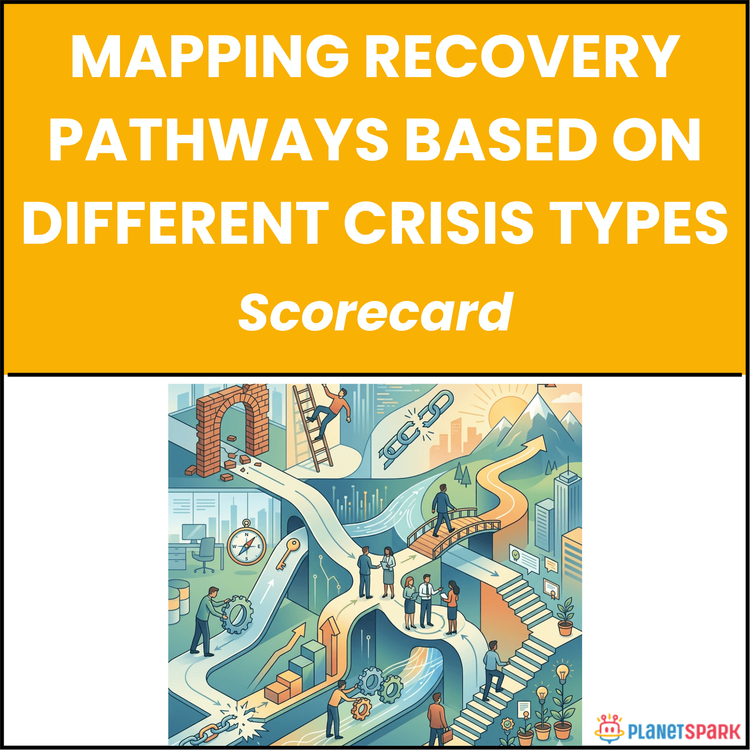
“Mapping Recovery Pathways Based on Different Crisis Types” is a practical scorecard designed to help professionals assess their current challenges and identify recovery approaches aligned with their specific career situation.
Who Is This Resource For?
This scorecard is especially useful for:
- Professionals recovering from burnout
- Individuals navigating layoffs or job loss
- Career switchers facing uncertainty
- Professionals struggling with stagnation
- Individuals rebuilding after failed transitions
- Job seekers facing repeated setbacks
- Professionals wanting clearer recovery direction
It supports readers who need more personalized and structured recovery guidance.
What Does This Resource Contain?
Inside the scorecard, readers can expect:
- Career crisis identification frameworks
- Recovery-type evaluation systems
- Self-assessment scoring sections
- Recovery pathway mapping tools
- Career challenge categorization exercises
- Professional stability assessment prompts
- Strategic recovery planning sections
- Progress evaluation systems
- Action-priority frameworks
The scorecard helps readers understand which recovery strategies are most relevant to their specific situation.
Summary of the Resource
This resource helps professionals identify the nature of their career crisis and map practical recovery pathways accordingly. Instead of using one-size-fits-all advice, the scorecard encourages targeted recovery planning based on the reader’s unique challenges, emotional state, professional goals, and current stability.
It supports more intentional and personalized career rebuilding.
How Will This Resource Be Useful?
Different career crises require different recovery priorities. This scorecard helps professionals avoid confusion and focus on the most effective next steps. Readers using this resource can:
- Gain clarity about their current challenges
- Understand different recovery approaches
- Prioritize recovery actions more effectively
- Improve strategic career planning
- Reduce overwhelm and uncertainty
- Build more personalized recovery systems
- Create realistic long-term improvement plans
The scorecard transforms vague recovery efforts into clearer and more structured pathways.
How Should You Use This Resource?
Step 1: Complete the Self-Assessment Honestly
Focus on your current reality rather than ideal situations.
Step 2: Identify Your Primary Crisis Type
Understanding the root challenge improves recovery direction.
Step 3: Review Recommended Recovery Pathways
Study which approaches align best with your situation.
Step 4: Prioritize Immediate Stabilization Needs
Address urgent emotional, financial, or professional concerns first.
Step 5: Build a Recovery Roadmap
Translate assessment insights into structured action plans.
Step 6: Reassess Periodically
Recovery pathways may evolve as progress improves.
Action Steps
- Complete the full scorecard assessment
- Identify your primary recovery priorities
- Focus on the most relevant recovery pathway
- Create realistic short-term goals
- Track progress consistently
- Review and adjust strategies monthly
- Stay patient with the recovery process
Career recovery becomes more effective when professionals stop treating every challenge the same way. Different crises require different forms of support, structure, and action. This scorecard helps readers build more personalized recovery pathways so they can move forward with greater clarity, confidence, and direction.