
Recovering from Fatigue in Continuous Project Work

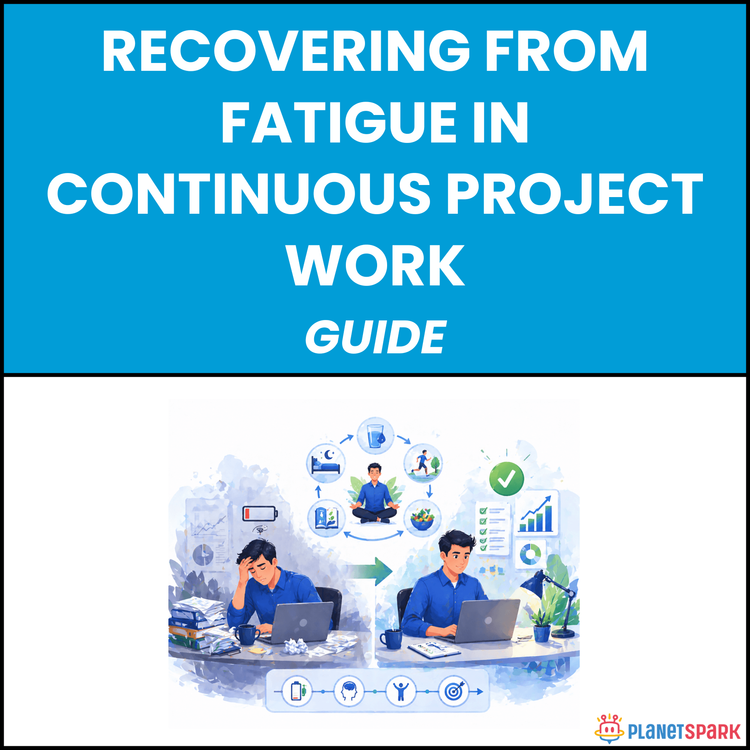
Recovering from Fatigue in Continuous Project Work
Recover from Fatigue in Continuous Project Work: How to Maintain Energy and Deliver High-Quality Results
In today’s fast-paced work environment, continuous project work often leads to burnout and fatigue, especially when deadlines are tight and the workload seems never-ending. While it’s easy to push through exhaustion, doing so without taking proper care of your energy levels can result in poor quality work, low morale, and long-term health problems. This guide will show you how to recover from fatigue and recharge your energy during high-stakes projects, ensuring you stay productive, focused, and healthy while consistently delivering quality results.
Who Is This Resource For?
This resource is ideal for:
- Working professionals (0–15 years of experience) managing long-term projects
- Career switchers transitioning into roles that require sustained focus and energy
- Managers, consultants, and team leaders responsible for team productivity and well-being
- Anyone experiencing burnout from high-pressure, continuous project work
What Does This Resource Contain?
This guide provides practical strategies for managing and recovering from fatigue during continuous project work. It includes:
- A step-by-step process for identifying and managing fatigue triggers
- Proven techniques for balancing productivity with rest to prevent burnout
- Tools for tracking energy levels and setting realistic work expectations
- Actionable strategies for building resilience and maintaining focus over long periods
- Tips for maintaining well-being and creating a sustainable work-life balance
Summary of the Resource
This resource helps you understand the science of fatigue and provides a structured approach to manage and recover from it. You’ll learn how to identify when you’re approaching burnout, create rest periods that restore energy without sacrificing progress, and implement practices that support both physical and mental well-being. By the end of this guide, you’ll be equipped with the tools and knowledge to maintain consistent performance, even under high-pressure project timelines.
How Will This Resource Be Useful?
By applying the strategies in this guide, you will:
- Identify the sources of fatigue and take proactive steps to prevent it from impacting your work
- Manage energy more effectively, balancing productivity with rest to maintain focus
- Build resilience to handle long-term projects without succumbing to burnout
- Improve your decision-making and quality of work by staying refreshed and focused
- Increase overall productivity by maintaining consistent work quality without sacrificing well-being
How Should You Use This Resource?
Step 1: Identify Your Fatigue Triggers
- Begin by understanding the main sources of your fatigue. Is it a lack of sleep, poor nutrition, or prolonged periods of focus without rest?
- Track your energy levels throughout the day to identify when and why you feel most fatigued. Log your fatigue and correlate it with workload patterns to identify any recurring triggers.
Step 2: Prioritize Rest and Recovery
- Ensure that you regularly schedule breaks and sufficient rest periods throughout your workday. Take 5-minute breaks every hour to recharge. Schedule longer breaks for meals, and avoid skipping these to ensure your body and mind have time to recover.
- Practice good sleep hygiene to ensure restful sleep and recharge fully. Incorporate relaxation techniques like meditation or deep breathing during breaks to maintain mental clarity.
Step 3: Use Time-Blocking and Task Prioritization
- Time-block your workday to maximize productivity without overloading yourself. Break down tasks into smaller, manageable parts and focus on completing one part at a time.
- Use the Eisenhower Matrix to prioritize tasks, ensuring you're focusing on important tasks that align with your overall goals while not overburdening yourself with low-priority work.
Step 4: Integrate Healthy Habits for Sustained Energy
- Exercise regularly to improve physical health, reduce stress, and boost energy levels. Even short daily walks can make a big difference.
- Focus on nutrition by eating balanced meals that fuel your body for sustained energy throughout the day. Avoid high-sugar snacks that cause crashes.
Step 5: Regularly Reflect on Your Energy and Workload
- At the end of each week, assess your energy levels, productivity, and overall well-being. Adjust your approach as necessary based on this reflection.
- Schedule regular check-ins with your manager or team to communicate any concerns regarding workload and fatigue, ensuring you remain aligned with team goals without overworking yourself.
Action Steps
- Identify your primary fatigue triggers by tracking your energy levels and work patterns for one week.
- Prioritize rest and recovery by scheduling breaks and ensuring you get adequate sleep.
- Use time-blocking and task prioritization to manage your workload without overwhelming yourself.
- Incorporate exercise and balanced nutrition into your daily routine to maintain energy levels.
- Reflect regularly on your energy and workload, adjusting your approach to maintain balance.
Recovering from fatigue in continuous project work is about more than just taking breaks — it’s about creating sustainable work habits, balancing productivity with well-being, and prioritizing your physical and mental health. By following the strategies in this guide, you’ll not only boost your energy and resilience but also ensure that you can consistently deliver high-quality results. Start applying these steps today to maintain focus, reduce burnout, and keep your projects on track without sacrificing your well-being.