
Sustaining Team Performance Over Time

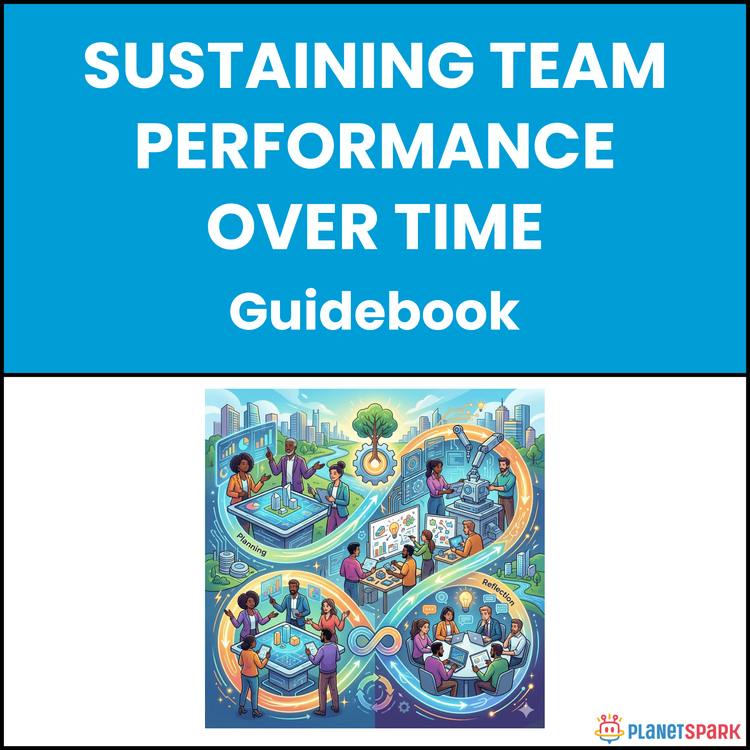
Sustaining Team Performance Over Time
Sustaining Team Performance Over Time: A Practical Playbook for Managers and Working Professionals
If you’ve ever led a team that started strong—but gradually lost momentum—you’ve experienced one of the most common challenges in the workplace. Early energy fades, priorities become unclear, engagement drops, and performance becomes inconsistent.
The reality is, most teams are built to launch, not to last.
That’s exactly why the resource “Sustaining Team Performance Over Time” exists. It’s designed for working professionals who are not just focused on short-term wins, but on building teams that perform consistently—week after week, quarter after quarter.
This playbook gives you a structured system to move from reactive management to intentional, sustainable leadership using practical frameworks, real-world scenarios, and actionable tools.
Who Is This Resource For?
This resource is especially valuable if you are:
- A manager or team lead responsible for consistent team output
- A consultant working with teams across projects or organizations
- An early to mid-career professional stepping into leadership roles
- Someone managing high-performing teams that tend to “spike and crash”
- A professional dealing with disengagement, burnout, or misalignment in teams
- Anyone who wants to build systems instead of relying on motivation alone
If you want your team to perform sustainably—not just occasionally—this guide is built for you.
What Does This Resource Contain?
This is not a generic leadership guide. It’s a structured operating system for sustaining team performance over time.
Inside the resource, you’ll find:
- A clear explanation of why teams lose momentum and how to fix it
- The 5-Phase Performance Sustainability Model:
- Anchor (clarity, purpose, roles)
- Activate (execution rhythms)
- Attune (monitoring energy and alignment)
- Adapt (handling performance dips)
- Amplify (scaling performance and growth)
- A Team Charter template to define purpose, goals, and working norms
- A Rhythm Design Worksheet to build consistent execution habits
- Weekly pulse check frameworks to track team energy, clarity, and support
- Early warning signals to detect disengagement before it becomes a problem
- Root cause diagnosis frameworks for performance dips
- Structured conversation guides for recalibration discussions
- Learning playbook templates to capture and apply team insights
- Real-world case studies showing common leadership mistakes and fixes
- A self-evaluation scorecard to assess your team’s current state
- Weekly and monthly rituals to maintain consistency
- A quick reference card for high-impact leadership actions
Everything is designed for immediate application—not passive reading.
Summary of the Resource
“Sustaining Team Performance Over Time” is a practical playbook that helps you build teams that don’t just perform in bursts, but sustain high performance consistently.
It provides a complete system to:
- Create clarity
- Build execution rhythms
- Detect issues early
- Respond effectively to challenges
- Continuously improve team capability
If you want predictable, long-term team performance, this resource gives you the exact structure to achieve it.
How Will This Resource Be Useful?
This resource helps you move from reactive management to proactive leadership.
You’ll gain:
- Clear frameworks to manage team performance consistently
- Systems that reduce dependency on constant supervision
- Early detection of burnout, disengagement, and misalignment
- Confidence in handling performance dips without panic
- Stronger team alignment, trust, and communication
- Sustainable productivity without exhausting your team
- A repeatable leadership approach you can apply across teams and roles
Most importantly, it helps you stop firefighting problems—and start preventing them.
How Should You Use This Resource?
To get the best results, follow a phased approach:
Start by reading through the entire guide to understand the full performance model and how each phase connects.
Next, begin with the Anchor phase. Define your team’s purpose, goals, roles, and standards using the provided templates.
Then, move to the Activate phase by implementing simple but consistent rhythms like daily check-ins, weekly syncs, and monthly retrospectives.
Once your system is running, use the Attune phase tools to monitor team health through pulse checks and qualitative signals.
When challenges arise, apply the Adapt phase frameworks to diagnose root causes before taking action.
Finally, use the Amplify phase to recognise success, build learning systems, and continuously raise your team’s performance ceiling.
Revisit the resource regularly—especially during transitions, performance dips, or growth phases.
Action Steps
After accessing this resource, take these steps immediately:
1. Block 2–3 focused hours to review and apply the guide
2. Define or refresh your team’s purpose, goals, and roles using the Team Charter
3. Implement at least one consistent rhythm (daily, weekly, or monthly)
4. Run a simple weekly pulse check with your team
5. Identify one early warning signal currently present in your team
6. Use the self-evaluation tool to assess your team’s current state
7. Take one corrective or improvement action this week
Small, consistent actions will create long-term performance stability.
High-performing teams are not built on motivation alone—they are built on systems, clarity, and consistent leadership practices. The difference between teams that burn out and teams that thrive is not talent, but how they operate over time.
Use this resource not just to manage your team better, but to fundamentally change how you think about performance, leadership, and growth.
Book your free session today!