
Tracking Energy Fluctuations Across Different Types of Work

Tracking Energy Fluctuations Across Different Types of Work
Monitoring Energy Shifts Across Various Work Activities: A Practical Playbook for Professionals
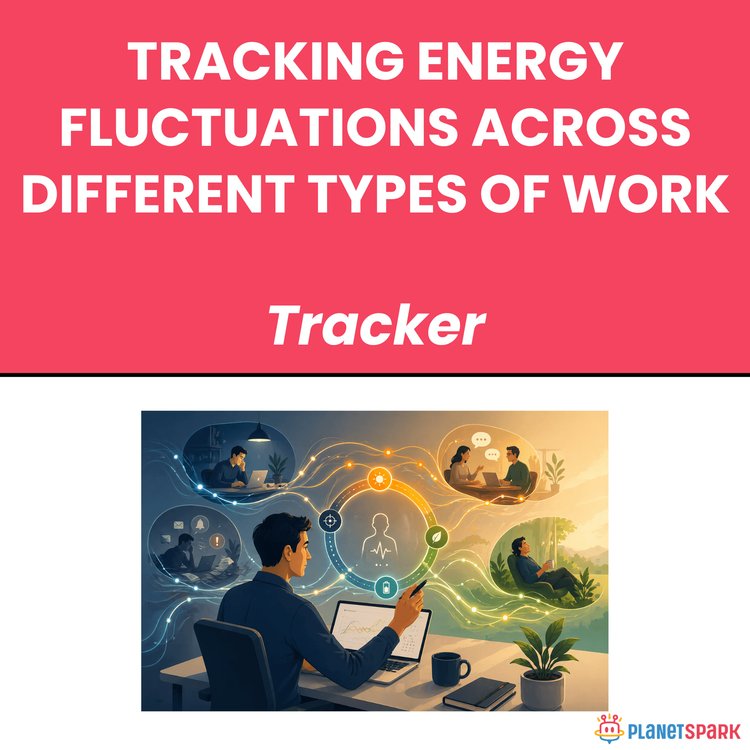
In a world where time management dominates productivity strategies, it's often easy to overlook a much more powerful resource: energy. Understanding how your energy fluctuates throughout the day and aligning that with the types of work you're doing is key to maximizing your productivity and preventing burnout. The "Tracking Energy Fluctuations Across Different Types of Work" resource provides a simple, structured framework to help you map out your energy patterns and align your tasks accordingly.
Who Is This Resource For?
This playbook is ideal for:
- Working professionals (0–15 years of experience) who are tired of feeling drained despite managing their time well
- Individuals looking to improve their performance by matching the right tasks to their optimal energy levels
- Career changers, consultants, and managers who juggle different types of work with varying energy demands
If you're seeking to work smarter, not harder, and you want to optimize your energy for maximum productivity, this resource is for you.
What Does This Resource Contain?
The resource helps you track, understand, and act on your energy fluctuations. Key components include:
- The Four Energy Dimensions: Understand the physical, mental, emotional, and motivational energy dimensions and how each affects your work output.
- Work Type Classification: Learn how different work tasks—such as deep focus work, creative brainstorming, and meetings—demand varying amounts of energy.
- Daily Energy Log: A quick tool to track energy levels at various points during the day, helping you identify patterns and optimize your schedule.
- Weekly Review Worksheet: A 15-minute process to analyze your energy logs and adjust your schedule accordingly to work in alignment with your natural energy peaks.
By using this framework, you’ll learn how to strategically allocate your energy to tasks that require more focus and attention, while leaving low-energy tasks for your off-peak times.
Summary of the Resource
This resource emphasizes the importance of energy management over time management. By understanding the four dimensions of energy—physical, mental, emotional, and motivational—you’ll be able to track your fluctuations, match them to the types of work you’re doing, and adjust your schedule accordingly. This simple shift can dramatically improve your productivity and well-being, allowing you to tackle high-focus tasks during your energy peaks and reserve low-energy times for administrative or less demanding work.
How Will This Resource Be Useful?
By applying this resource, you will:
- Gain insight into your natural energy rhythms, identifying when you’re at your most focused and when you need recovery
- Align high-effort tasks like deep focus work with your peak energy windows, improving output quality and reducing effort
- Prevent burnout by scheduling regular recovery activities and recognizing when to shift tasks
- Learn how to batch and prioritize tasks based on energy demands, enhancing your overall efficiency
How Should You Use This Resource?
To get the most out of this resource, follow these steps:
1. Understand the Four Energy Dimensions: Begin by understanding the four energy dimensions—physical, mental, emotional, and motivational. Learn how each dimension impacts your work and overall well-being.
2. Track Your Energy with the Daily Log: Use the Daily Energy Log to rate your energy levels at key points throughout the day. Do this for at least a week to capture a clear pattern.
3. Map Your Work Types: Identify different types of tasks in your job (deep focus, collaborative, creative, etc.) and assign them to the corresponding energy dimensions.
4. Use the Weekly Review Worksheet: After a week of logging, complete the Weekly Review Worksheet to identify your peak and low-energy periods, and assess whether you’re aligning your work tasks with these rhythms.
5. Build Your Energy-Aligned Schedule: Using insights from your energy log, redesign your schedule to allocate deep work during peak times and less-demanding tasks during low-energy windows.
Action Steps
Here are your immediate next steps:
1. Complete the Daily Energy Log for the next week. Rate your energy across the four dimensions at three key points in your day.
2. Review your energy patterns at the end of the week and identify your peak and low-energy windows.
3. Match your work types to energy demands by ensuring you’re scheduling your most challenging tasks during your highest energy periods.
4. Use the Weekly Review Worksheet to fine-tune your energy-aligned schedule, making small adjustments for the following week.
5. Track your progress weekly to continue optimizing your schedule and boosting your productivity.
By following these steps, you’ll be able to manage your energy more effectively, ensuring you work in alignment with your natural rhythms and protect your mental and physical well-being.
Your Next Step: Start with the Daily Energy Log today and track your energy fluctuations. Begin applying the insights to your schedule for a more focused, balanced workweek.
Book your free session today!