
Turning Volunteer Work into Strong Resume Bullets

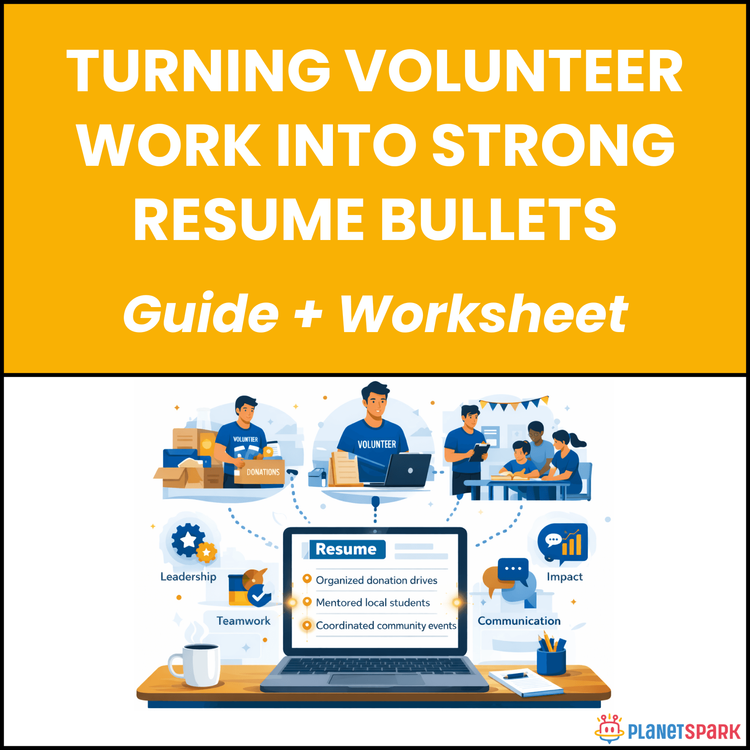
Turning Volunteer Work into Strong Resume Bullets
Turning Volunteer Work Into Strong Resume Bullets: A Practical Guide to Showcasing Your Real Impact
Many professionals spend hours volunteering — mentoring students, organizing community events, supporting non-profits, or coordinating social initiatives. Yet when it comes time to write their resume, that experience often appears as a single vague line like “Volunteered at a local NGO.”
The problem is not the experience. The problem is how it is communicated.
Volunteer work often involves leadership, coordination, project management, communication, and measurable impact. But because it is unpaid, professionals tend to undersell it or describe it casually. Recruiters, however, evaluate every line of a resume for impact, scale, and outcomes. When volunteer work is written poorly, its real value disappears.
The resource “Turning Volunteer Work Into Strong Resume Bullets” is designed to solve this exact challenge. It is a practical guide and worksheet that helps professionals convert unpaid experience into powerful, interview-ready resume bullets without underselling a single hour of their work.
Who Is This Resource For?
This resource is designed for working professionals who want to make their resume stronger by presenting volunteer experience strategically.
It is especially valuable for:
• Career changers who want to highlight transferable skills
• Job seekers building a resume with limited paid experience
• Professionals returning to the workforce after a break
• Early- and mid-career professionals with 0–15 years of experience
• Consultants and managers who participate in community initiatives
• Professionals who want to strengthen their resume with leadership or project experience
If you have ever felt that your volunteer experience “doesn’t count” professionally, this guide will help you translate that experience into language that recruiters and hiring managers value.
What Does This Resource Contain?
The guide is structured as a step-by-step framework that walks professionals through the entire process of transforming volunteer work into strong resume bullets.
Understanding the Core Problem
The resource begins by explaining the most common mistake professionals make: describing activity instead of impact. For example, saying “Volunteered at an animal shelter” communicates very little, while describing outcomes such as coordinating volunteers or reducing operational costs communicates real value.
The Three Core Principles of Strong Resume Bullets
Before writing any bullets, the guide introduces three key principles that apply to every strong resume statement:
• Focus on impact rather than just activity
• Use specificity, including numbers and scale
• Align the language of the bullet with the target job description
These principles help ensure every bullet communicates measurable contribution rather than vague participation.
Volunteer History Audit Worksheet
One of the first exercises helps readers map out their complete volunteer history. The worksheet prompts users to list organizations, roles, duration, responsibilities, projects, outcomes, and skills developed.
This structured reflection process helps professionals uncover valuable experiences they may have forgotten or underestimated.
Extracting Transferable Skills
Once the volunteer history is documented, the guide explains how to convert those experiences into professional competencies.
For example, helping at a food bank may actually demonstrate skills like logistics coordination, team management, operations planning, and stakeholder engagement. Recognizing these transferable skills is essential for writing compelling resume content.
The CAR Framework for Resume Bullets
One of the most powerful tools introduced in the guide is the CAR framework:
Context → Action → Result
This structure ensures that every resume bullet tells a complete professional story. According to the guide, strong bullets briefly set the situation, describe the specific action taken, and end with measurable results such as percentages, scale, or outcomes.
Techniques for Quantifying Impact
Many professionals worry that they cannot quantify volunteer work because they lack formal metrics. The guide explains several practical alternatives:
• Estimating attendance or participation numbers
• Using scale indicators such as team size or geographic reach
• Describing before-and-after improvements
• Referencing external recognition or feedback
These techniques help professionals communicate impact even when exact data is unavailable.
Tailoring Bullets to Different Roles
Another important section explains how the same volunteer experience can be framed differently depending on the job being targeted.
For example, organizing a fundraiser could highlight project management skills, marketing campaign experience, or leadership abilities depending on the role being applied for.
This strategic alignment helps resumes perform better with both recruiters and applicant tracking systems.
Strategic Placement of Volunteer Experience
The guide also explains how to position volunteer work effectively on a resume.
Depending on career stage, volunteer experience may appear:
• As part of a “Relevant Experience” section
• Inside the main experience section to fill career gaps
• In a dedicated “Community Leadership” or “Volunteer Experience” section
Placement decisions can significantly influence how recruiters perceive the value of the experience.
Quality Control Checklist
To ensure strong results, the resource includes a 7-point bullet quality checklist. This checklist verifies whether bullets use strong verbs, include measurable outcomes, align with job keywords, remain concise, and clearly demonstrate individual contribution.
Real-World Examples and Case Studies
The guide also provides before-and-after examples that show how weak volunteer descriptions can be transformed into powerful resume statements. These examples illustrate the dramatic difference that strong framing can make in communicating impact.
Summary of the Resource
Turning Volunteer Work Into Strong Resume Bullets is a practical career resource designed to help professionals translate unpaid experience into measurable professional value.
Instead of generic advice, the guide provides a clear process for:
• Identifying valuable volunteer experiences
• Extracting transferable professional skills
• Writing strong resume bullets using the CAR framework
• Quantifying impact effectively
• Tailoring experience to specific job descriptions
• Positioning volunteer work strategically on a resume
By combining frameworks, worksheets, and real-world examples, the resource gives professionals a repeatable system they can use throughout their careers.
How Will This Resource Be Useful?
Many professionals underestimate how much competitive advantage their volunteer work actually provides.
This resource helps unlock that advantage by improving how that experience is communicated on a resume.
Stronger resumes
Professionals learn how to convert vague descriptions into powerful statements that demonstrate impact and leadership.
Better alignment with recruiter expectations
The guide helps professionals use language and keywords that align with how hiring managers evaluate candidates.
Improved interview opportunities
By highlighting measurable outcomes and real contributions, candidates increase the likelihood that recruiters notice and shortlist their resumes.
Greater confidence in presenting experience
Instead of feeling uncertain about whether volunteer work “counts,” professionals gain clarity about the professional value of their contributions.
A repeatable career tool
The frameworks and worksheets can be reused whenever professionals update their resumes or apply for new roles.
How Should You Use This Resource?
To get the most value from the guide, approach it as a working document rather than something you read once.
Step 1: Complete the Volunteer History Audit worksheet to list all volunteer experiences from the past several years.
Step 2: Identify the transferable skills demonstrated by each role.
Step 3: Use the CAR framework to draft 3–5 resume bullets for each experience.
Step 4: Apply the quality checklist to refine and strengthen your bullets.
Step 5: Build a “bullet bank” that stores multiple versions of your strongest resume statements.
Step 6: Tailor the final bullets to the specific job descriptions you are applying for.
By following this process consistently, professionals can dramatically improve the clarity and impact of their resumes.
Action Steps
If you want to strengthen your resume immediately, start with these practical steps:
1. List all volunteer experiences from the past 5–7 years.
2. Identify the key skills each experience demonstrates.
3. Write three CAR-based bullets for each volunteer role.
4. Add numbers, scale, or outcomes wherever possible.
5. Tailor your strongest bullets to match the job you are applying for.
6. Position volunteer experience strategically on your resume.
Even small improvements in how your experience is presented can significantly increase your chances of getting noticed by recruiters.
Volunteer work represents real leadership, real initiative, and real impact. The difference between a weak resume and a powerful one is often not the experience itself, but how clearly that experience communicates value.
By applying the frameworks and worksheets in this guide, professionals can transform overlooked volunteer contributions into strong evidence of their skills, achievements, and potential.