
Understanding Power Structures Within Organizations

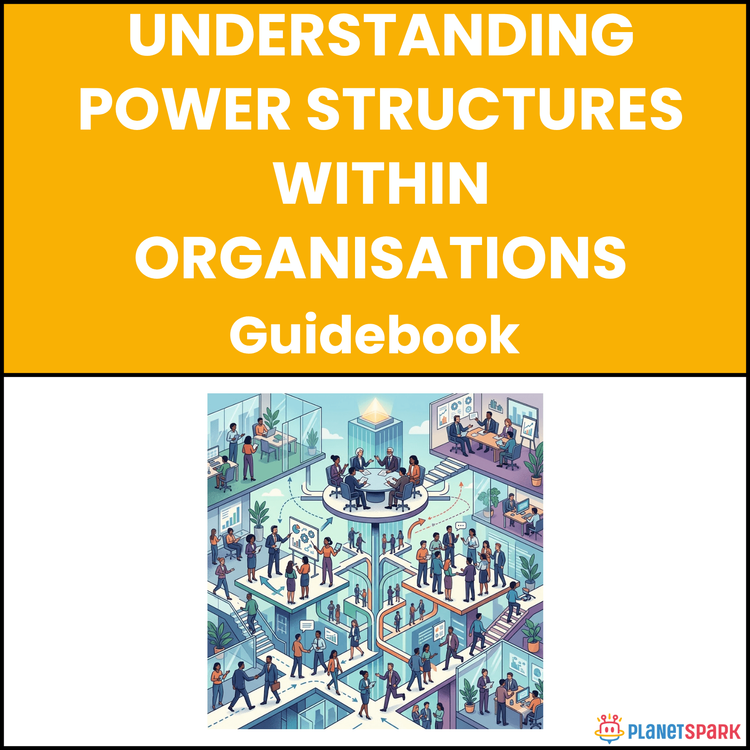
Understanding Power Structures Within Organizations
Understanding Power Structures Within Organisations: A Practical Guide to Navigating Influence, Stakeholders, and Workplace Politics
If you’ve ever felt overlooked despite doing great work, struggled to get buy-in for your ideas, or wondered why decisions happen without you—you’re not alone. Many working professionals assume that performance alone drives growth. But in reality, success in any organisation depends not just on what you do, but on how well you understand power, influence, and relationships.
This is exactly why the resource “Understanding Power Structures Within Organisations” exists. It helps professionals decode the invisible dynamics that shape decisions, opportunities, and career progression—so you can move from confusion to clarity, and from effort to impact.
Who Is This Resource For?
This guidebook is especially valuable if you are:
- A working professional with 0–15 years of experience trying to grow your career
- A job seeker or career switcher navigating new organisational environments
- A manager or team lead building influence without formal authority
- A consultant or cross-functional professional needing faster stakeholder buy-in
- A high performer who feels undervalued, overlooked, or excluded from key decisions
- Someone who wants to understand workplace dynamics without becoming “political” in a negative way
If you want to confidently navigate your organisation—not just survive in it—this resource is built for you.
What Does This Resource Contain?
This is not a theoretical guide on office politics. It’s a structured, practical playbook designed for real-world application.
Inside the resource, you’ll find:
- A clear breakdown of formal vs. informal power structures in organisations
- The concept of the “two org charts” and how to identify both
- The five types of organisational power (legitimate, reward, coercive, expert, referent)
- A reflection worksheet to map your current power landscape
- The SPEAK framework to help you read power signals in meetings and conversations
- A step-by-step stakeholder power mapping method using the Power–Interest grid
- A reusable stakeholder mapping template for projects and roles
- Practical strategies to build influence without formal authority
- Real-world case study showing how power awareness changes outcomes
- Guidance on navigating workplace politics with integrity
- A framework for building strategic visibility in the right rooms
- Insights on mentorship vs. sponsorship and how each impacts your career
- A checklist to audit your power awareness and influence regularly
- Advanced strategies for navigating meetings as power environments
- Common power literacy mistakes—and how to fix them
- A self-assessment tool to identify your development gaps
- A one-page power playbook for quick reference and real-time application
Everything is designed to help you observe, interpret, and act—not just understand.
Summary of the Resource
“Understanding Power Structures Within Organisations” is a practical guide that helps professionals decode how influence really works in the workplace. It teaches you how to identify key stakeholders, understand hidden decision-making dynamics, and build influence ethically—so you can operate with confidence, clarity, and strategic intent.
If you’ve ever felt like you’re working hard but not getting proportional outcomes, this resource helps you bridge that gap.
How Will This Resource Be Useful?
This resource helps you move from guesswork to strategic awareness.
You’ll gain:
- Clarity on how decisions are actually made—not just how they appear to be made
- The ability to identify key influencers, gatekeepers, and decision-makers
- Confidence in navigating meetings, conversations, and high-stakes situations
- Stronger relationships across teams, functions, and leadership levels
- The ability to influence outcomes even without formal authority
- Better visibility with the people who matter for your career growth
- Awareness of toxic dynamics—and how to respond to them effectively
Most importantly, it helps you stop feeling stuck or overlooked—and start operating with intention and control.
How Should You Use This Resource?
To get maximum value, use this guide in a structured, phased way:
Start by reading the entire guide once to understand the full landscape of organisational power. This builds awareness and context.
Next, complete the reflection worksheet to map your current environment. Identify who holds influence, where you stand, and what you may have been missing.
Then, apply the stakeholder mapping framework to a real project or role. Build your first Power–Interest grid and define engagement strategies.
As you progress, start using the SPEAK framework in meetings to observe power signals and dynamics in real time.
Simultaneously, implement influence-building strategies—focus on relationships, visibility, and alignment rather than authority.
Finally, use the checklists and self-assessment tools regularly to refine your approach and track your growth.
You can revisit this resource whenever you:
- Join a new organisation or team
- Start a new project or initiative
- Prepare for leadership roles
- Feel stuck in workplace dynamics
- Need to influence stakeholders more effectively
Action Steps
After accessing this resource, take these steps immediately:
1. Block 1–2 hours to read the guide fully without distractions
2. Complete the “Power Landscape” reflection worksheet honestly
3. Identify 3 key stakeholders you need to understand better
4. Create your first Power–Interest stakeholder map
5. Observe your next 2–3 meetings using the SPEAK framework
6. Initiate one relationship-building conversation this week
7. Identify one opportunity to increase your visibility with the right audience
Small, intentional actions here can significantly change how you are perceived—and how effectively you operate.
Your career is not just shaped by your skills, but by how well you navigate the environment around you. Understanding power structures is not about manipulation—it’s about awareness, alignment, and influence with integrity.
When you learn to read the room, map stakeholders, and build genuine influence, you stop operating reactively—and start making deliberate, strategic career moves.
Use this resource not just to understand your organisation, but to position yourself more effectively within it.
Book your free session today!