
Understanding the Psychology of Workplace Conflict

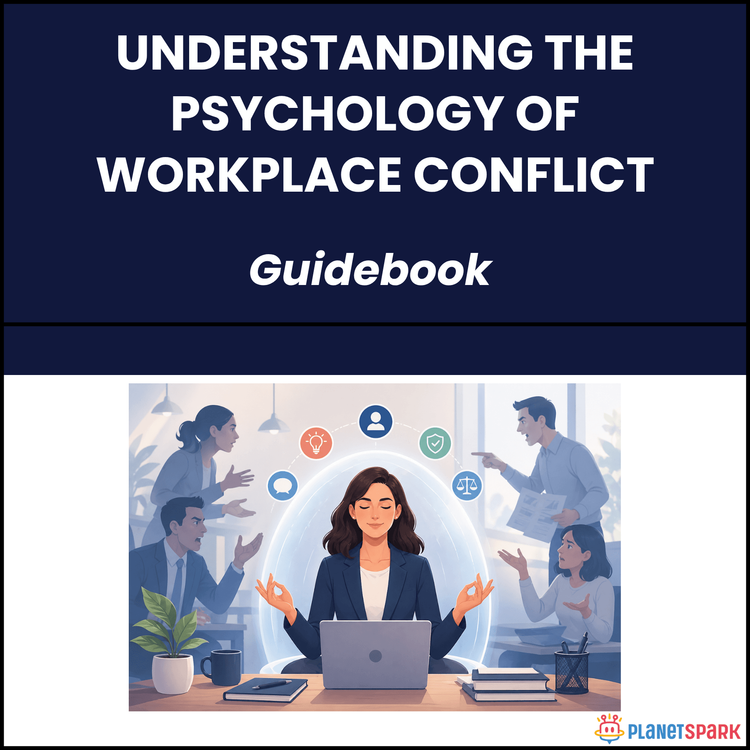
Understanding the Psychology of Workplace Conflict
Decoding Professional Disagreements Through Psychology: A Practical Guide for Growth
Workplace conflict is something every professional encounters, whether it's the subtle tension in a team meeting or a more direct disagreement with a colleague. Most people view conflict as something to avoid or endure, but here’s a reality check: conflict, when managed skillfully, can be a powerful catalyst for career growth. The professionals who rise fastest are often those who navigate conflict with intention and emotional intelligence, not those who avoid it altogether.
The “Understanding the Psychology of Workplace Conflict” guidebook is crafted to help you turn workplace tension into traction, guiding you through handling conflict with confidence and clarity. Designed for professionals at any stage of their career, this practical resource arms you with frameworks, tools, and techniques to turn conflict into an opportunity for leadership, growth, and relationship building.
Who Is This Resource For?
This guide is perfect for professionals who want to handle conflict more effectively and turn challenging situations into career advantages. Specifically, it’s for:
- Career changers navigating new team dynamics
- Job seekers aiming to demonstrate leadership and emotional intelligence in interviews
- Consultants seeking to strengthen relationships with clients and colleagues
- Managers and team leads responsible for fostering healthy communication and resolving disputes
- Professionals at any stage who find themselves caught in tense workplace situations
If you're a time-poor professional who wants to improve your conflict management skills and boost your leadership potential, this guide is for you.
What Does This Resource Contain?
This resource isn’t just about theory – it’s a practical, actionable tool to guide you through conflict scenarios. Inside the guide, you’ll find:
- The Psychology of Conflict: Understanding the deeper causes of workplace tension, including unmet expectations, unclear roles, and communication breakdowns.
- The Five Types of Workplace Conflict: A detailed breakdown of task, relationship, process, status, and values conflicts, and how to handle each.
- Self-Awareness Tools: Exercises to help you identify your default conflict style and triggers, so you can respond with intention rather than defaulting to a reactive response.
- The Conflict Escalation Ladder: A framework for identifying and addressing conflict before it escalates into something larger.
- Conflict Readiness Checklist: A pre-conversation checklist to ensure you are prepared mentally and emotionally for tough discussions.
- The CLEAR Conversation Framework: A step-by-step guide for structuring a productive conflict conversation, designed to lead to resolution, not escalation.
- Language That Works: Practical phrases and language tools to de-escalate conversations and build trust.
- Power Dynamics: Techniques for navigating conflict with peers, managers, and direct reports, recognizing how power shapes each dynamic.
- Recognizing Toxic Patterns: How to identify harmful behaviors like gaslighting and exclusion, and when to escalate to HR or leadership.
- Real-World Application: A case study showing how to apply the frameworks and tools in a real-life conflict situation.
Every section of the guide is designed to be directly applicable to your everyday work life, helping you address and resolve conflicts in a constructive and confident manner.
Summary of the Resource
The “Understanding the Psychology of Workplace Conflict” guidebook equips professionals with practical tools to handle conflict effectively, turning it into an opportunity for leadership and personal growth. It covers everything from understanding the root causes of tension to structuring conflict conversations for optimal resolution. The guide is designed to be used both as a comprehensive read and a quick-reference resource, allowing you to revisit sections as conflicts arise in your professional life.
How Will This Resource Be Useful?
This guide will provide you with the tools to approach conflict with confidence. By using the frameworks and techniques outlined, you will:
- Develop emotional intelligence and the ability to navigate difficult conversations with clarity
- Increase your leadership capabilities by demonstrating your ability to handle complex interpersonal dynamics
- Improve relationships at work, building trust and fostering collaboration
- Strengthen your professional reputation as someone who handles conflict with grace and maturity
- Avoid common conflict mistakes, such as avoidance or escalation, by applying strategic thinking
Most importantly, it will help you stop viewing conflict as a threat and start seeing it as an opportunity for personal and professional growth.
How Should You Use This Resource?
To get the best results from this guide, follow a structured, phased approach:
1. Read Through Once: Start by reading through the entire guide to gain a foundational understanding of the conflict frameworks.
2. Complete the Self-Assessment Tools: Reflect on your conflict style and triggers. Use the self-awareness tools to identify your default responses.
3. Use the Conflict Escalation Ladder: Learn to identify early signs of conflict, so you can intervene before the situation escalates.
4. Practice with the CLEAR Framework: The next time you face a conflict, use the CLEAR framework to structure your conversation and achieve a constructive outcome.
5. Revisit the Guide: As new conflict situations arise, revisit the guide to refresh your understanding of conflict management strategies and apply the tools that are most relevant to your situation.
Action Steps
Once you have accessed this resource, follow these steps immediately to begin improving your conflict management skills:
1. Set aside 30–45 minutes to read the guide: This will give you the foundational knowledge you need to approach conflict with confidence.
2. Complete the Self-Assessment: Identify your default conflict style and triggers. Reflect on your responses to conflict.
3. Use the Conflict Readiness Checklist: Before your next difficult conversation, use this checklist to ensure you are prepared mentally and emotionally.
4. Apply the CLEAR Framework: Use this framework to guide your next conflict conversation, ensuring you stay on track toward resolution.
5. Review and Reflect: After the conversation, take time to reflect on how you handled the situation and identify areas for improvement.
By taking these immediate steps, you’ll begin to build the skills needed to handle conflict with maturity, empathy, and confidence.
Conflict doesn’t need to be something you fear or avoid. With the right tools and mindset, you can turn even the most difficult situations into opportunities for growth and stronger relationships.